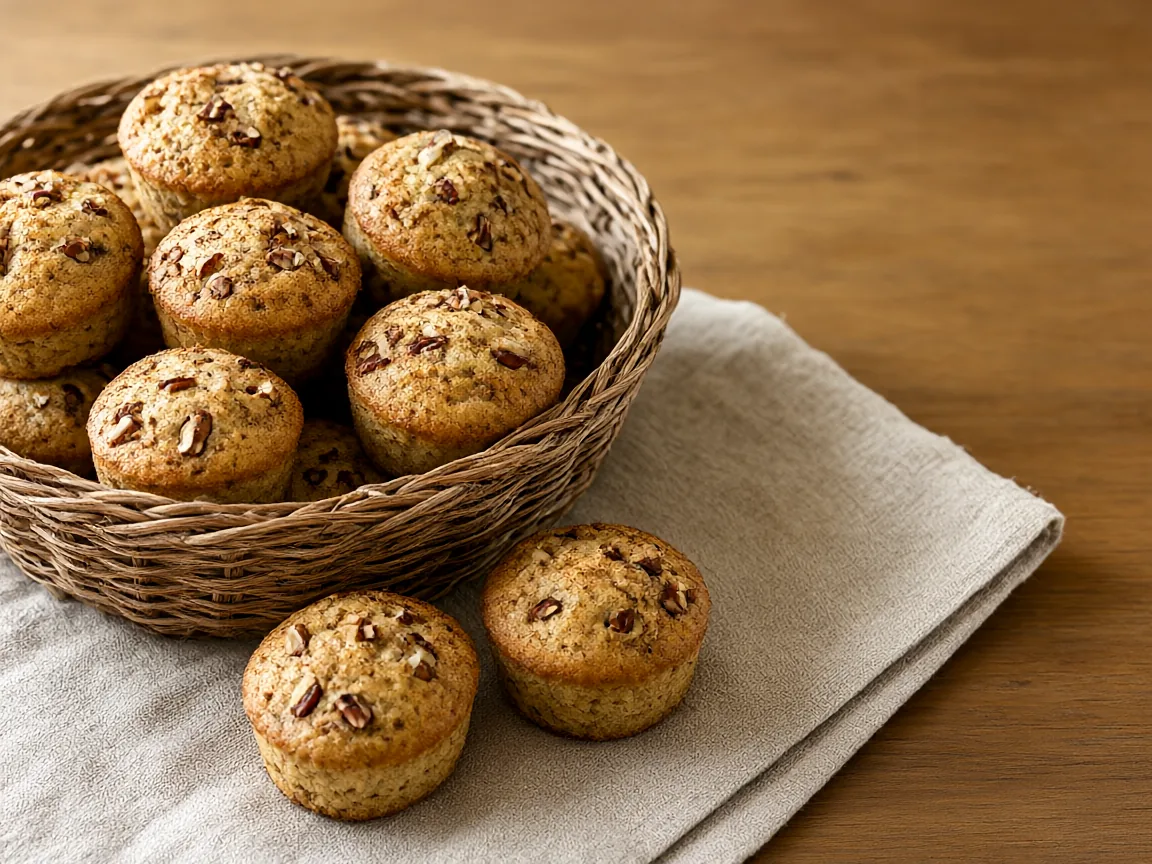
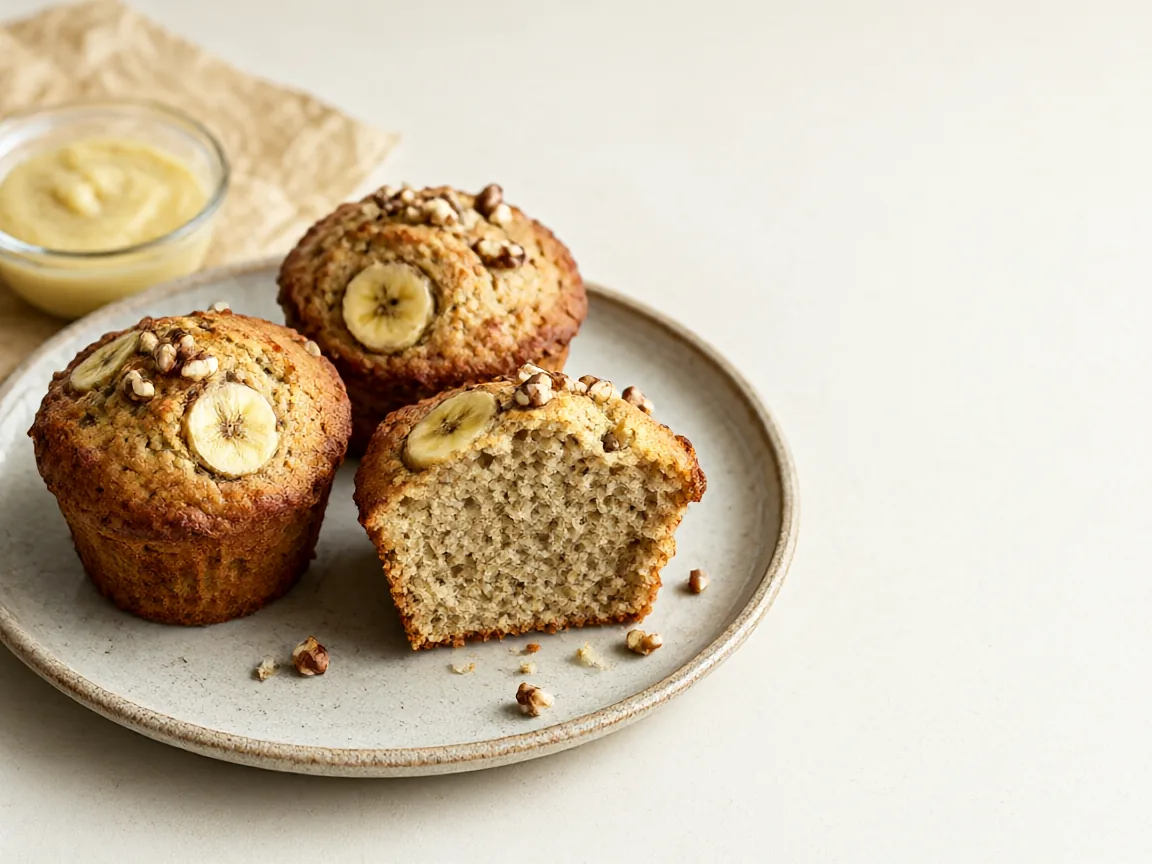
Low carb bagel recipes are designed to keep the familiar ring shape, chewy edge, and topping-friendly surface of a bagel while using a flour and binder combination with less starch than traditional wheat dough. The texture will not be identical to a bakery bagel because gluten and starch behave differently, but a careful formula can produce a sliceable, toastable result that works for breakfast, lunch, or a planned snack.
The most reliable low-carb bagel is built around a measured dry mix, enough structure from eggs or cheese, and a full cooling period. Moisture is important: too much creates a gummy center, while too little produces a crumbly ring. This guide includes a basic almond flour bagel, several flavor variations, topping ideas, substitutions, baking and storage notes, and portion guidance for a lower-carbohydrate routine.
What makes a bagel low carb?
A traditional bagel gets much of its structure from wheat flour and gluten, then develops a chewy crust from boiling and baking. A low-carb version usually uses almond flour, ground flax, psyllium, mozzarella or another cheese, eggs, and baking powder. Some formulas use a short boiling step, while others bake directly because the dough is more delicate.
The main carbohydrate reduction comes from replacing wheat flour, not from removing flavor. Cheese, eggs, seeds, herbs, and savory toppings can all remain, but portions still matter. A bagel made with almond flour may be lower in carbohydrate and higher in fat than a wheat bagel, so it should be planned as part of the meal rather than treated as an unlimited food.
Shape also matters. A hole in the center helps the dough bake evenly and creates more surface for toasting. If the ring is too thick, the outside can brown before the center sets. Make the hole slightly larger than you think you need because it will narrow during baking.
Basic almond flour bagel recipe
This formula makes four small bagels. Prepare one and one-half cups of finely ground almond flour, two tablespoons of ground flaxseed, one tablespoon of psyllium husk powder, one teaspoon of baking powder, one-half teaspoon of salt, one cup of shredded mozzarella, two tablespoons of cream cheese, and one large egg. Add one teaspoon of apple cider vinegar or lemon juice for a slightly lighter flavor.
Mix the almond flour, flax, psyllium, baking powder, and salt in a bowl. Warm the mozzarella and cream cheese together in a microwave-safe bowl in short intervals, stirring between each interval until the cheese is soft and mostly smooth. Let it cool briefly, then mix in the egg and vinegar. Add the dry ingredients and knead with a spatula or lightly oiled hands until a cohesive dough forms.
Let the dough rest for five minutes. Psyllium and flax will absorb some moisture, so the texture may become easier to shape. Divide the dough into four equal pieces, roll each into a short rope, join the ends, and smooth the seam. Place the rings on a parchment-lined baking sheet and brush with a little beaten egg if you want a darker surface.
Bake at 375°F, or 190°C, for about twenty to twenty-five minutes, until the rings are firm and golden. Cool for at least thirty minutes before slicing. The center continues to set while cooling, and cutting early can make the bagels seem gummy.
Variation 1: Everything-style bagels
Add a mixture of sesame seeds, poppy seeds, dried onion, dried garlic, and a small amount of salt to the surface before baking. Check the seasoning blend because some packaged versions contain more salt than expected. Press the topping lightly into the egg wash so it stays attached after baking.
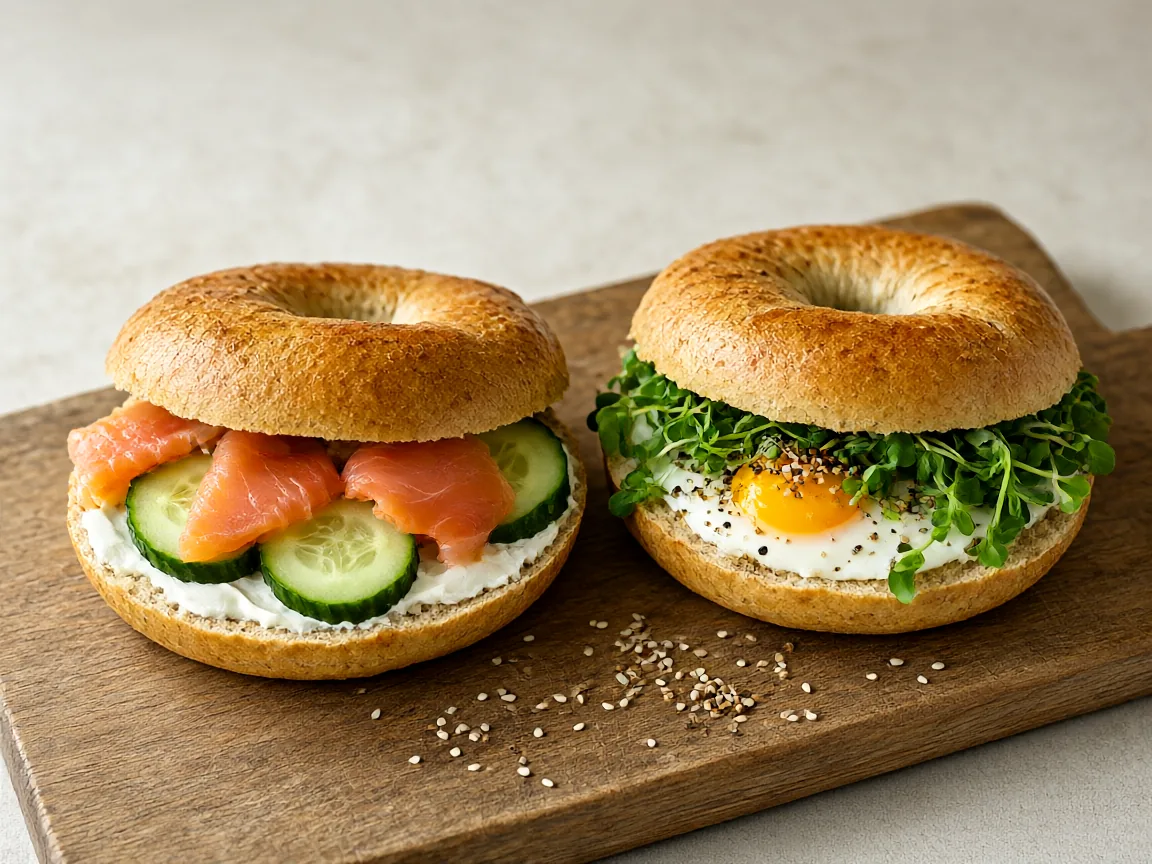
Everything seasoning has a strong flavor, so the bagel may not need salted butter or a salty filling. Use cream cheese, cucumber, egg, or avocado for a milder pairing. If you want a higher-protein meal, add smoked salmon or sliced chicken and keep the additional sauce light.
Variation 2: Cheddar and chive bagels
Replace part of the mozzarella with shredded cheddar and fold chopped chives into the dough. Keep the pieces small so the bagel shapes evenly. Bake until the cheese on the surface is browned but not burned. These bagels work with scrambled eggs, turkey, roast beef, or a vegetable soup.
Cheddar brings more salt and a stronger flavor than mozzarella. Taste the dough before adding extra salt and avoid combining it with a large amount of salty cured meat. A side of cucumber or leafy greens can balance the richness.
Variation 3: Cinnamon breakfast bagels
For a lightly sweet bagel, omit the garlic and savory toppings. Add cinnamon, vanilla, and a low- or no-sugar sweetener suitable for your eating pattern. Keep the sweetener modest because the base still contains cheese and almond flour. The result is better with cream cheese, butter, or a small amount of nut butter than with a sugary spread.
Do not add raisins or dried fruit if you are trying to keep the recipe low in carbohydrate. Chopped pecans or walnuts can provide texture, but measure them. A cinnamon bagel can be served with plain yogurt and a few berries if those ingredients fit your personal target.
Variation 4: Jalapeño and scallion bagels
Fold finely chopped jalapeño, scallion, and a little smoked paprika into the dough. Pat the fresh jalapeño dry before adding it so excess moisture does not soften the crumb. The bagels can be topped with sesame seeds or a little grated cheese before baking.
Serve with eggs, chicken salad, tuna, or a light cream cheese spread. If the jalapeño is very hot, use a smaller amount and let the topping provide most of the heat. Fresh lime or cilantro on the finished meal can add contrast.
Variation 5: Salmon and dill bagel
Use an everything or plain bagel as the base, then add cream cheese, smoked salmon, cucumber, dill, and lemon zest. The salmon and seasoning are already salty, so use a thin layer of cream cheese and taste before adding salt. Radish, capers, and scallion can add texture, but portion them according to the rest of the plate.
For a lighter spread, mix cream cheese with plain Greek yogurt, lemon, and dill. Keep the mixture thick enough to stay on the bagel. Assemble close to serving time so the cucumber and salmon do not soften the bread.
Variation 6: Egg and avocado bagel
Toast a plain or seeded bagel and top it with a thin layer of mashed avocado, a cooked egg, and chili flakes. Add spinach or tomato if desired, keeping wet vegetables dry. Because the bagel and avocado both provide richness, a small amount of egg and fresh herbs may be enough to make the meal satisfying.
For more avocado combinations, see the low-carb avocado recipes collection. Count the avocado portion together with the bagel and egg rather than assuming the topping is separate from the meal.
How to improve the texture
Use finely ground almond flour and mix the dry ingredients thoroughly. Lumps of psyllium or flax can create dense spots. If the dough is sticky, let it rest before adding more flour. Psyllium continues to absorb water, and adding too much almond flour too early can make the baked bagel dry.
If the bagels are dense, the dough may have been overworked, the rings may be too thick, or the baking powder may be old. Shape the rings gently and make the center hole large enough. If the surface browns before the center sets, lower the oven slightly and cover the bagels loosely with foil during the final stage.
Cooling is part of the recipe. A warm low-carb bagel can seem wet or fragile even when it will firm as it cools. Wait at least thirty minutes, then slice with a serrated knife. Toast the cut sides briefly to improve the surface texture.
Should you boil low-carb bagels?
A brief simmer can create a more traditional surface, but low-carb dough is softer and may not tolerate a vigorous boil. If you try it, use gently simmering water and lower the shaped rings carefully with a slotted spoon. Simmer for about thirty seconds per side, drain well, and transfer to parchment before baking.
Boiling is optional. Direct baking is simpler and often produces a more reliable ring when the dough contains a lot of cheese or avocado-based moisture. Test one small batch before changing the method for a full recipe.
Flour and binder substitutions
Almond meal can replace part of the almond flour for a rougher crumb, but the rings may be more fragile. Coconut flour is highly absorbent and is not a cup-for-cup substitute. A coconut flour bagel needs a different egg and liquid balance. Sunflower seed flour can work in some formulas but may give the bagel a darker color and a different flavor.
If you do not use psyllium, ground flax can provide some binding, although the dough may be less flexible. Xanthan gum can be used in a very small amount in certain recipes, but too much makes the bagel rubbery. Change one ingredient at a time and make a small test batch.
For a softer bread alternative, compare the almond flour low-carb bread recipe. A loaf may be easier to shape and slice, while a bagel offers a ring shape and a toasted center.
Topping and filling ideas
- Egg, spinach, and a small amount of cheddar.
- Smoked salmon, cream cheese, cucumber, and dill.
- Chicken salad with celery and herbs.
- Tuna with lemon, mustard, and chopped pickles.
- Turkey, lettuce, tomato, and a measured mustard spread.
- Avocado, poached egg, chili, and scallion.
- Plain cream cheese with cinnamon and chopped pecans.
Wet fillings should be added just before eating. Drain tuna, chicken salad, and cucumber well. If you need to pack a bagel, carry the filling separately and assemble it at mealtime. This preserves the toasted texture and makes the serving easier to control.
Nutrition and portion planning
Calculate the nutrition for the entire dough and divide it by the number of bagels. Count almond flour, flaxseed, psyllium according to the method you use, eggs, cheese, cream cheese, sweetener, and toppings. A small bagel and a large bagel are not equivalent even if they use the same ingredients.
Bagels made with almond flour and cheese can be lower in carbohydrate but higher in fat and calories than ordinary bread. Add a protein and vegetables, then decide whether the filling needs another rich ingredient. A bagel with cream cheese, smoked salmon, avocado, and cheese may be much heavier than the plain bagel alone.
If weight management is part of your goal, consider using a small bagel with eggs and vegetables rather than a large bagel with several high-energy toppings. If you are managing blood glucose or another medical condition, use the labels for your exact ingredients and follow advice from your healthcare professional.
For another flexible base, see the almond flour tortillas keto guide. A toasted tortilla can provide a thinner portion when a full bagel does not fit the meal.
Storage and freezing
Cool bagels completely before storing them. Keep them in a sealed bag or container in the refrigerator for up to three days. Slice them before freezing and place parchment between the halves. Toast from frozen or thaw in the refrigerator, then warm briefly in a toaster oven.
Do not seal warm bagels because trapped steam can make them damp. If the bagels become soft in the refrigerator, toast the cut sides before serving. Avoid adding wet toppings until the last moment.
Freeze plain bagels rather than fully assembled sandwiches. Cream cheese, cucumber, salmon, and avocado all have different storage behavior and may become watery or soft after freezing. Keep the components separate so the texture remains better.
Common problems and fixes
- Gummy center: cool longer, reduce liquid, or bake the rings a little longer at a lower heat.
- Crumbly ring: check the binder, avoid overbaking, and slice only after the bagel has cooled.
- Flat shape: make the dough thicker and use a smaller center hole before baking.
- Burned surface: lower the temperature or cover loosely with foil while the center finishes.
- Sticky dough: rest it before adding more flour and lightly oil your hands for shaping.
- Soggy toast: toast the cut sides and add wet toppings immediately before serving.
Different almond flours absorb moisture differently, and avocados or eggs vary in size. Make notes about the dough texture before baking. If the first batch is slightly wet, change the flour or liquid gradually instead of changing the whole formula.
How bagels fit a low-carb routine
Low carb bagel recipes are useful when you want a familiar breakfast format without using a standard wheat bagel. Keep the portion defined, add protein and vegetables, and rotate toppings. A bagel does not need to appear every day; it can be one option alongside eggs, salads, bowls, and other low-carb meals.
The low-carb recipes hub can help you pair a bagel breakfast with lighter meals later in the day. For a richer meal, choose a plain bagel and a leaner topping. For a lighter meal, use half a bagel with eggs and a large vegetable side.
FAQ
Are low-carb bagels chewy?
They can be firm and pleasantly chewy, but they will not usually have the same stretch as a wheat bagel. Cheese, psyllium, and proper cooling help create structure. Overbaking can make the ring hard and dry.
Can I use coconut flour?
Not as a direct replacement for almond flour. Coconut flour absorbs much more liquid and requires a separate recipe with a different egg and binder balance.
Why did my bagel spread?
The dough may be too wet, the rings may be too thin, or the oven may not have been fully heated. Rest the dough, shape it more compactly, and check the pan and oven temperature.
What is the best topping for a low-carb bagel?
Eggs, smoked salmon, chicken, tuna, avocado, cucumber, herbs, and a measured amount of cream cheese all work. Choose toppings that match the bagel’s texture and the rest of your meal.
Can I make bagels ahead?
Yes. Cool them completely, refrigerate for several days, or slice and freeze. Store fillings separately and toast the bagel before assembling.
Low carb bagel recipes work best when you respect the differences between almond flour dough and wheat dough. Measure the dry ingredients, rest the batter, shape the rings generously, bake until the center sets, and cool before slicing. With a defined portion and a protein-rich topping, a homemade bagel can add variety to a practical lower-carbohydrate breakfast or lunch.