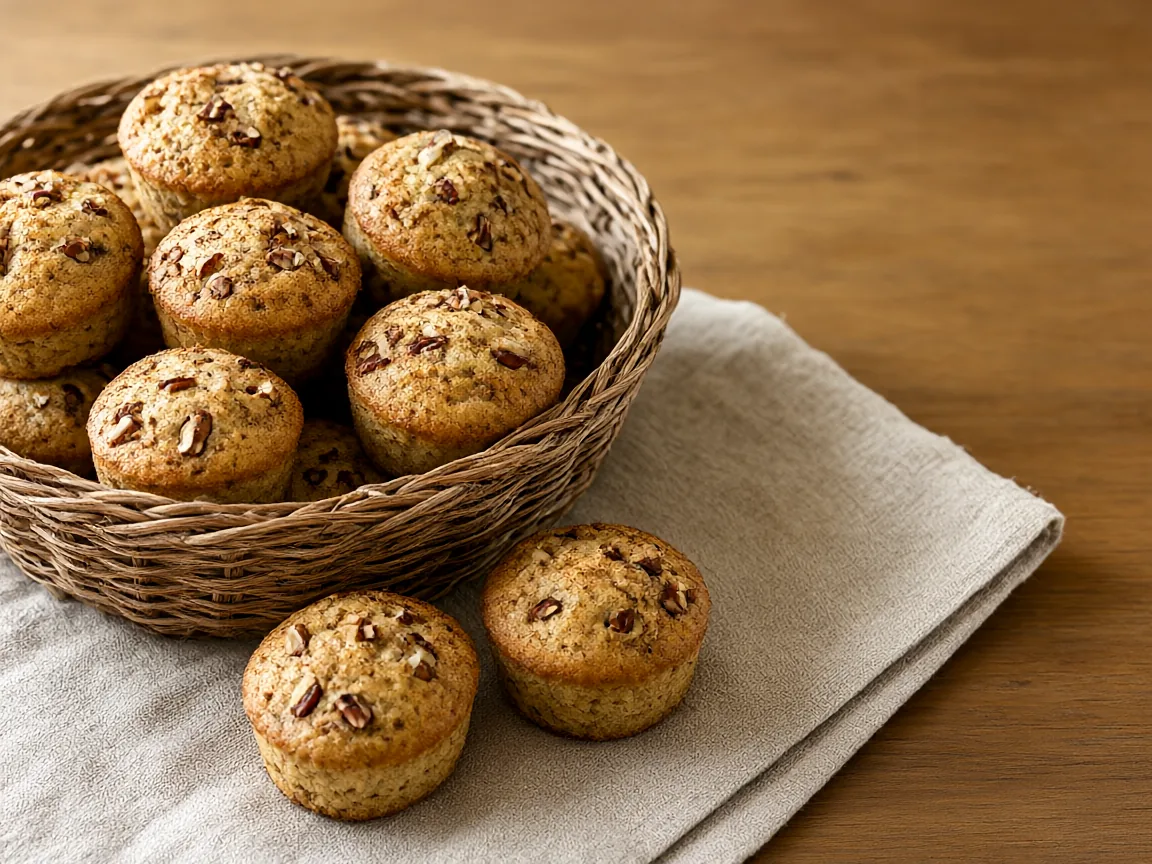
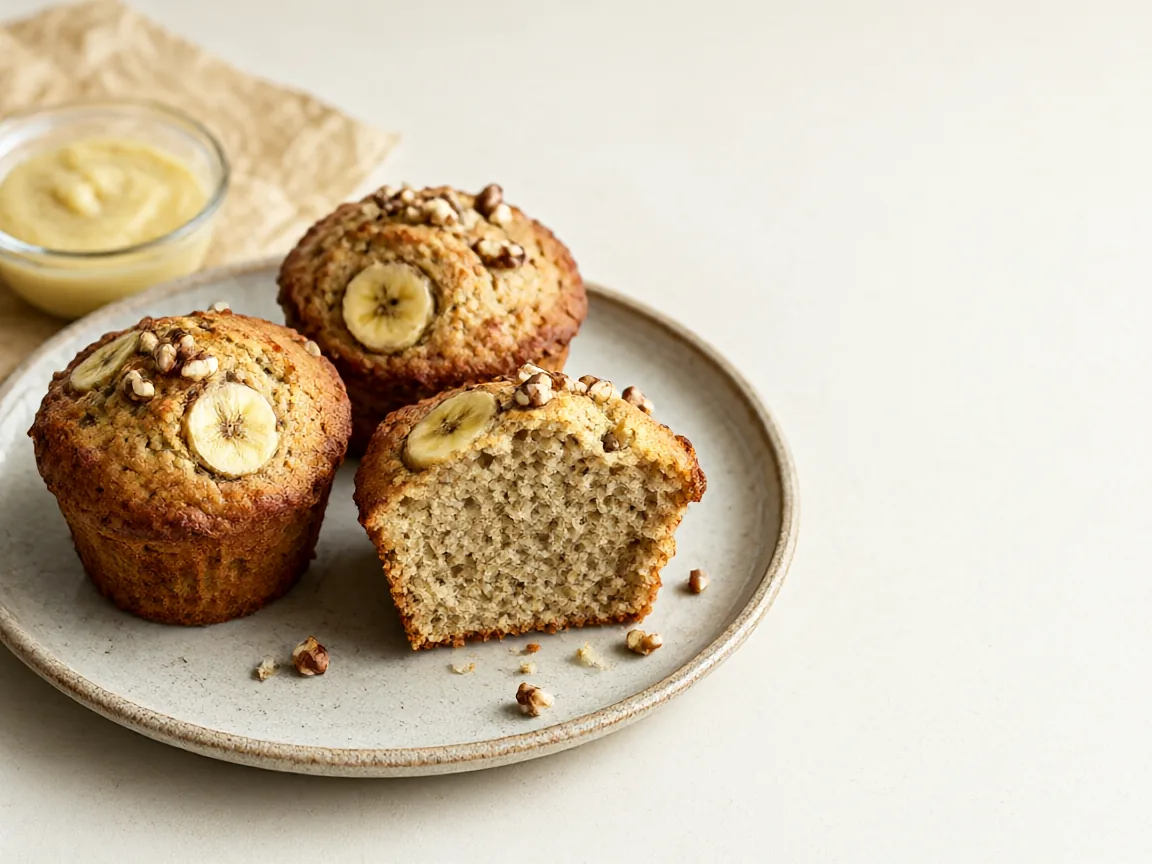
These almond flour tortillas are a flexible low-carb option for wraps, tacos, breakfast pockets, and quick skillet meals. The dough is made with finely ground almond flour, a small amount of binder, and enough liquid to form a soft sheet. The finished tortillas are tender rather than stretchy, so they are easiest to handle when rolled between parchment and cooked gently in a dry skillet.
Almond flour tortillas keto cooks can actually repeat depend on two details: the dough must be rested before rolling, and the tortillas must not be overcooked. Almond flour has no gluten network, so it will not behave like a wheat tortilla. This guide explains the base recipe, how to keep the rounds from cracking, ways to use them, storage, substitutions, nutrition planning, and common fixes.
Why use almond flour for tortillas?
Almond flour contributes a mild nutty flavor and a soft, rich texture. It is naturally lower in digestible carbohydrate than many grain flours, although it still contains carbohydrate and should be counted from the label. A tortilla made with almond flour will not stretch like a flour tortilla, but it can hold fillings when it is rolled thinly and warmed just enough to become flexible.
The recipe works best with fine blanched almond flour. Coarse almond meal leaves rough edges and can make a tortilla crack when folded. If you only have almond meal, sift it first and expect a more rustic result. Keep the tortillas moderate in size; a large thin sheet is harder to flip and more likely to tear.
Ingredients for six small tortillas
- 1 1/2 cups finely ground blanched almond flour
- 2 tablespoons ground psyllium husk powder
- 1/4 teaspoon fine salt
- 1 large egg
- 2 tablespoons neutral oil or melted butter
- 1/3 cup warm water, plus a little more if needed
- Optional: 1/4 teaspoon garlic powder, smoked paprika, or dried herbs
Psyllium helps the dough hold together and makes the tortillas less brittle. Use powder rather than large flakes if possible. If your product absorbs liquid very strongly, add the water gradually. The egg provides additional binding, while oil helps the cooked tortilla stay tender instead of dry.
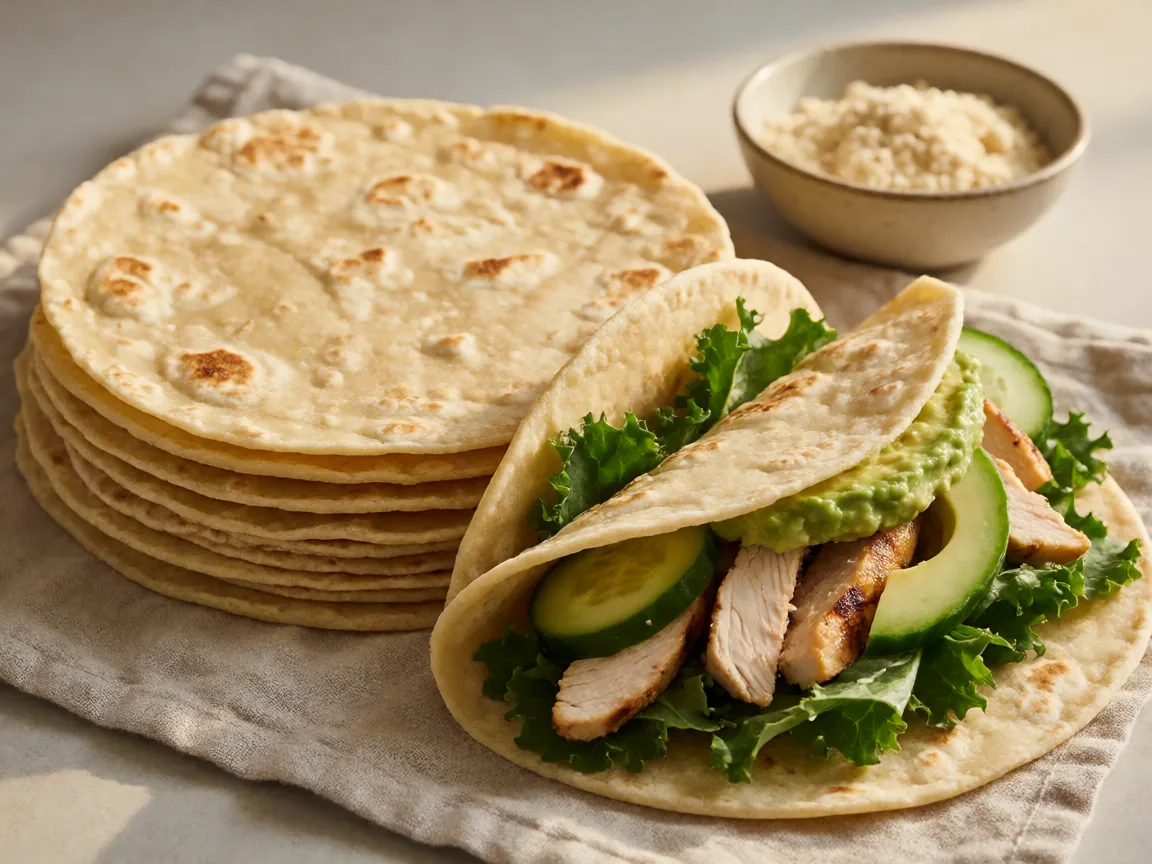
How to make almond flour tortillas
1. Mix the dry ingredients
Whisk the almond flour, psyllium powder, salt, and any optional seasonings in a medium bowl. Break up any clumps. Even distribution matters because a pocket of psyllium can make one tortilla gummy while another is too fragile.
2. Add the wet ingredients
Whisk the egg, oil, and warm water in a second bowl. Pour the liquid into the dry mixture and stir with a fork or spatula. The dough should come together into a soft ball after a minute or two. If it looks dry and cracks immediately, add water one teaspoon at a time. If it feels wet, wait before adding more flour because psyllium continues to absorb liquid during the rest.
3. Rest the dough
Cover the bowl and rest the dough for 10 to 15 minutes. This step is essential. It gives the psyllium time to hydrate and allows the dough to become more cohesive. Divide the dough into six equal pieces. If you want smaller taco-size rounds, divide it into eight pieces instead.
4. Roll between parchment
Place one dough piece between two sheets of parchment paper. Press it with your hand first, then roll from the center outward until it is about 1/8 inch thick. Remove the top parchment and trim the edges with a bowl or round cutter if you want neat tortillas. Gather the scraps and reuse them for the final round.
5. Cook gently
Heat a nonstick or well-seasoned skillet over medium-low heat. Peel the tortilla from the parchment and place it in the dry skillet. Cook for about 60 to 90 seconds on the first side, then flip and cook for another 30 to 60 seconds. The surface should have a few light golden spots, but it should not become hard or deeply browned. Transfer the tortilla to a plate and cover it with a clean towel while you cook the rest.
How to prevent cracking and tearing
Cracking usually means the dough is too dry, the tortilla is too thin, or the tortilla has cooled without enough moisture. Add water gradually to the dough and rest it before rolling. If a round tears at the edges, press the tear closed with your fingers and roll it again between parchment. Do not force the dough to stretch like wheat dough; lift it with the parchment whenever possible.
If the tortilla sticks to the parchment, it may be too wet or too thin. Let the dough rest another five minutes and use a fresh sheet of parchment. A small amount of oil on the paper can help, but too much makes the dough slide while you roll it. For the easiest handling, keep the rounds slightly thicker and use them as soft taco shells rather than large burrito wraps.
The skillet temperature matters as much as the dough. A pan that is too hot sets the outside before the center can warm, which encourages splitting when folded. A moderate temperature gives the tortilla time to cook evenly while retaining enough moisture to bend.
Filling ideas for a low-carb meal
Use the tortillas for grilled chicken with lettuce, cucumber, avocado, and a yogurt-based sauce. For a breakfast wrap, add scrambled eggs, cooked spinach, and a little cheese. Ground beef or turkey with shredded cabbage, salsa without added sugar, and a spoonful of sour cream makes a simple taco filling. Keep the filling warm but not overly wet, since excess sauce can soften a thin tortilla quickly.
For a vegetarian option, use roasted zucchini, mushrooms, leafy greens, and a measured portion of cheese. A cold wrap can hold sliced chicken, tuna salad, or egg salad, but spread the filling evenly so the tortilla does not split at one point. Smaller tortillas are often easier for children or for meal preparation because the portion is naturally controlled.
If you are planning other almond-based foods, compare the tortilla structure with these almond meal bread keto ideas. Bread needs enough structure to slice, while a tortilla needs a thin, flexible sheet. The two uses call for different dough thicknesses and cooking times.
Substitutions and variations
Ground flaxseed can provide some binding, but it makes the tortilla darker and more earthy. It may also need a different amount of water. A small amount of xanthan gum can be useful when psyllium is unavailable, but too much creates a rubbery texture. Start with a small amount and test one tortilla before making the whole batch.
For a dairy-free recipe, use oil instead of butter. For a savory tortilla, add cumin, chili powder, dried oregano, or garlic powder. For a neutral tortilla, leave out the herbs so it can be used with breakfast or a mild dessert-style filling. Avoid adding large amounts of cheese to the dough unless you are intentionally making a different, crispier wrap.
Coconut flour is not a direct replacement for almond flour. It absorbs much more water, so a one-to-one substitution will create a dry dough. If you want a coconut flour tortilla, use a recipe written for coconut flour and expect a different texture. Almond meal can work, but sift it and keep the rounds a little thicker.
Nutrition and portion planning
To estimate the carbohydrate of each tortilla, add the carbohydrate and fiber listed for the almond flour, psyllium, egg, and any flavor additions. Subtract fiber if that is how you track net carbohydrates, then divide the total by six or eight depending on the batch size. Oils and butter may contribute little or no carbohydrate, but they still affect the energy content.
Count the filling and sauces separately. A tortilla that fits your target can still become a higher-carbohydrate meal if it is filled with sweetened sauce, beans, large amounts of corn, or a sugary dressing. Use the tortilla as one component of a balanced plate that includes protein and low-carb vegetables.
Because almond flour and oil are energy-dense, a smaller wrap may be more satisfying than several thin tortillas. Make equal portions and label the container so the nutrition estimate remains useful after meal preparation.
Storage and reheating
Cool the tortillas completely before storing them. Place parchment between each round and keep them in an airtight container in the refrigerator for up to three days. Reheat one tortilla in a dry skillet for 15 to 30 seconds per side, or warm it briefly in the microwave under a slightly damp paper towel. Avoid long heating, which dries the edges.
For longer storage, freeze the tortillas with parchment between them. Transfer the stack to a freezer-safe bag and press out excess air. Thaw in the refrigerator or separate one round while frozen and warm it gently in a skillet. If the edges feel dry after freezing, use the tortilla for a toasted taco or cut it into strips rather than trying to make a tight wrap.
Common problems and fixes
- Dough will not form a ball: add warm water by the teaspoon and wait briefly for the psyllium to hydrate.
- Tortilla breaks while peeling: roll it slightly thicker and lift it with the parchment rather than by hand.
- Surface is gummy: the dough may be too wet or the skillet too cool. Rest longer and cook the next round a little longer.
- Edges are brittle: the tortilla was likely overcooked or rolled too thin. Reduce the heat and keep the rounds covered after cooking.
- Tortilla sticks to the pan: use a nonstick surface, preheat gently, and avoid flipping before the underside has set.
Test one tortilla before cooking the full batch. It is easier to adjust the water, rolling thickness, and pan temperature after seeing one result. Write down the changes that work with your specific almond flour and psyllium brand.
How this recipe fits a broader low-carb collection
The tortilla is useful when you want a handheld meal, but it does not need to replace every bread or wrap. For a wider set of tested ideas, browse the low-carb recipes hub. Ingredient-led guides such as these low-carb almond meal recipes can help use the same pantry ingredients in different formats.
If you want a baked alternative rather than a skillet wrap, compare the texture with an almond flour keto recipe. The tortilla method emphasizes thin rolling and gentle heat, while baked recipes depend more on a stable batter and cooling time.
FAQ
Are almond flour tortillas keto-friendly?
They can fit many low-carb and keto plans when the recipe and filling are counted. Check the labels for almond flour and psyllium, divide the batch by the actual number of tortillas, and include sauces and fillings in the meal total.
Can I make the tortillas without psyllium?
Psyllium gives the dough helpful flexibility. You can test ground flaxseed or a small amount of another binder, but the texture will change. Make a single test tortilla before changing the full batch.
Why are my tortillas too stiff?
They may have been cooked too long, rolled too thin, or left uncovered after cooking. Lower the skillet heat, shorten the cooking time, and keep the finished tortillas under a clean towel until serving.
Can I use these for burritos?
Small or medium wraps are more reliable than very large burritos because almond flour dough has limited stretch. Use moderate fillings and warm the tortilla briefly before folding.
Can I prepare the dough ahead?
Yes. Cover the rested dough and refrigerate it for up to a day. Let it soften slightly before rolling, and add a small amount of warm water only if the dough has become noticeably dry.
These almond flour tortillas are most dependable when rolled between parchment, cooked gently, and covered while warm. Keep the rounds moderate in size, measure the ingredients, and treat the filling as part of the nutrition calculation. With those habits, the recipe provides a useful low-carb base for wraps, tacos, and simple meal-prep lunches.