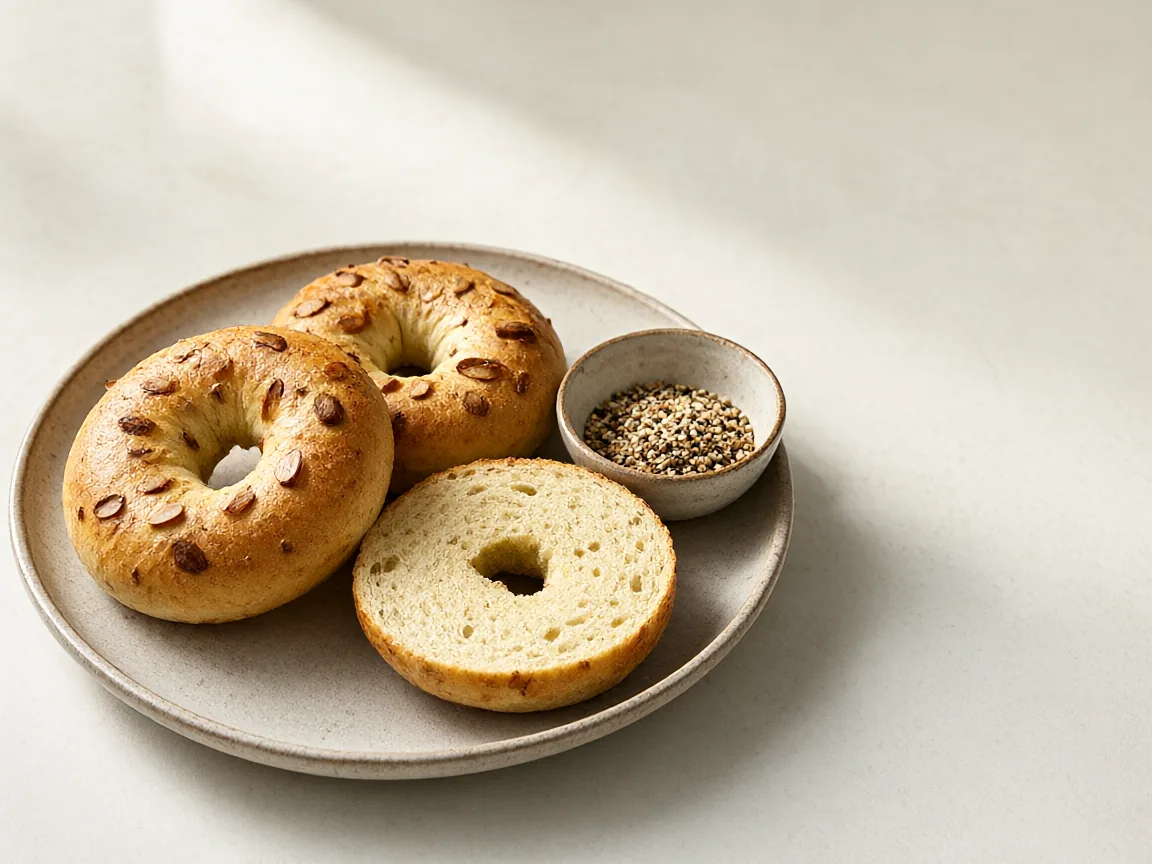
A good low-carb bagel should be chewy enough to hold a topping, tender enough to bite cleanly, and flavorful enough that it does not feel like a compromise. This recipe for low carb bagels uses almond flour, mozzarella, cream cheese, egg, and psyllium husk to create a sturdy, bread-like center without wheat flour or added sugar. The method is simple, but a few details—especially the temperature of the cheese mixture, the resting time, and the final cooling step—make the difference between a bagel that slices neatly and one that is gummy or crumbly.
These bagels are useful for breakfast, lunch, or meal prep. They can be served warm with butter, used as a base for eggs and smoked salmon, or split and filled with chicken salad. If you are building a broader rotation, the low-carb recipe hub has more ideas for keeping meals varied. The recipe below makes six medium bagels and gives practical guidance for calculating net carbs, changing the flavor, storing the finished batch, and fixing common texture problems.
What makes these bagels low carb?
Traditional bagels rely on wheat flour for their gluten network, chew, and shape. This version replaces that structure with a combination of finely ground almond flour, psyllium husk, egg, and melted cheese. Almond flour contributes a mild nutty flavor and fat, while psyllium absorbs water and gives the dough enough elasticity to shape. Mozzarella and cream cheese help the ingredients bind as they bake, but the finished result is not meant to imitate a high-gluten New York bagel exactly. It is a satisfying, lower-carbohydrate bread alternative with a crisp exterior and soft center.
Net carbs vary by brand and serving size. Almond flour, psyllium, and seasonings usually contribute only a small amount per bagel, while the exact total depends on the labels for the dairy and egg products you use. For a precise number, add the total carbohydrates and fiber from every package, divide by six, and adjust for any toppings. This recipe is written for general meal planning, not as a substitute for advice from a registered dietitian or clinician.
Ingredients for six bagels
- 1 1/2 cups finely ground blanched almond flour, about 168 g
- 2 tablespoons whole psyllium husk or 1 1/2 tablespoons psyllium powder
- 2 teaspoons baking powder
- 1/2 teaspoon fine salt, plus more for an everything topping if desired
- 1 1/2 cups shredded low-moisture mozzarella, about 170 g
- 2 tablespoons cream cheese
- 1 large egg, lightly beaten
- 1 teaspoon apple cider vinegar or fresh lemon juice
- 1 tablespoon melted butter or olive oil for brushing, optional
- Sesame seeds, poppy seeds, dried onion, dried garlic, or chopped herbs for topping, optional
Use finely milled almond flour rather than a coarse meal when possible. A coarse meal can make the bagels feel sandy and may absorb liquid unevenly. If you only have almond meal, pulse it briefly in a food processor and sift out any large pieces. For another almond-based bread idea, compare the method with these low-carb almond meal recipes, which use similar principles but different moisture levels.
Equipment and preparation
You will need a medium mixing bowl, a microwave-safe bowl or double boiler, a sturdy spatula, a baking sheet, and parchment paper. Heat the oven to 375°F (190°C). Line the baking sheet so the bottoms do not stick, and keep a small bowl of water nearby for dampening your hands. If your oven runs cool, use an oven thermometer; a low oven can leave the center underbaked while the outside appears finished.
How to make the dough
- Mix the dry ingredients. Whisk the almond flour, psyllium, baking powder, and salt until no pockets of psyllium or baking powder remain. Breaking up small clumps now is easier than trying to work them out of a sticky dough later.
- Melt the cheese. Put the mozzarella and cream cheese in a microwave-safe bowl. Heat in 20-second bursts, stirring between each burst, until the mixture is mostly smooth and stretchy. Stop as soon as it is melted; overheating can cause the cheese to release oil and make the dough greasy.
- Combine while warm. Add the dry mixture to the warm cheese and stir with a spatula. The mixture will look uneven at first. Keep folding until the almond flour is distributed and a shaggy dough forms.
- Add the egg and vinegar. Pour in the beaten egg and vinegar, then knead with the spatula or clean hands until the dough is cohesive. If the cheese cools too much and becomes rubbery, warm the bowl for 10 seconds and continue. Do not add extra almond flour too quickly, because the psyllium needs a few minutes to hydrate.
- Rest the dough. Leave it for five minutes. During this pause, psyllium absorbs moisture and the dough becomes easier to divide. It should feel soft and slightly tacky, not wet or liquid.
Shape and bake the bagels
Divide the dough into six equal portions. For consistent results, weigh the whole dough and divide the number by six; portions of roughly 85–95 g are common depending on the exact ingredients. Roll each portion into a smooth ball, then press a hole through the center with your thumb. Gently stretch the opening until it is about 1 1/2 inches wide. The hole should be larger than you think because it will narrow as the dough expands in the oven.
Place the shaped bagels on the lined tray with space between them. Brush lightly with melted butter or oil if you want more browning. Sprinkle with the topping of your choice and press it gently into the surface so it does not fall off when the bagels are sliced. Bake for 18–24 minutes, turning the tray once if your oven browns unevenly. The bagels are ready when the tops are golden, the sides feel set, and the center no longer looks wet.
Let them cool on the tray for 10 minutes, then move them to a rack for at least another 15 minutes. Cutting into them immediately can compress the center and make it appear gummy even when the bagel is properly baked. For the cleanest slices, cool completely and use a serrated knife. If you prefer a warmer texture, reheat a sliced bagel in a toaster oven or dry skillet rather than trying to cut it while piping hot.
Five flavor variations
Everything bagels: Mix sesame, poppy, dried onion, dried garlic, and a pinch of salt. Use a light coating so the seasoning does not overpower the almond flavor. Some commercial blends contain sugar, so read the label if you are tracking carbohydrates closely.
Cheddar and chive: Replace one-third of the mozzarella with finely shredded sharp cheddar and add one tablespoon of chopped chives. The cheddar gives a stronger flavor and a slightly darker crust. Pat the chives dry if they are especially moist.
Garlic herb: Add dried parsley, oregano, and a small amount of garlic powder to the dry mixture. Garlic powder distributes more evenly than fresh garlic and is less likely to create wet pockets in the crumb.
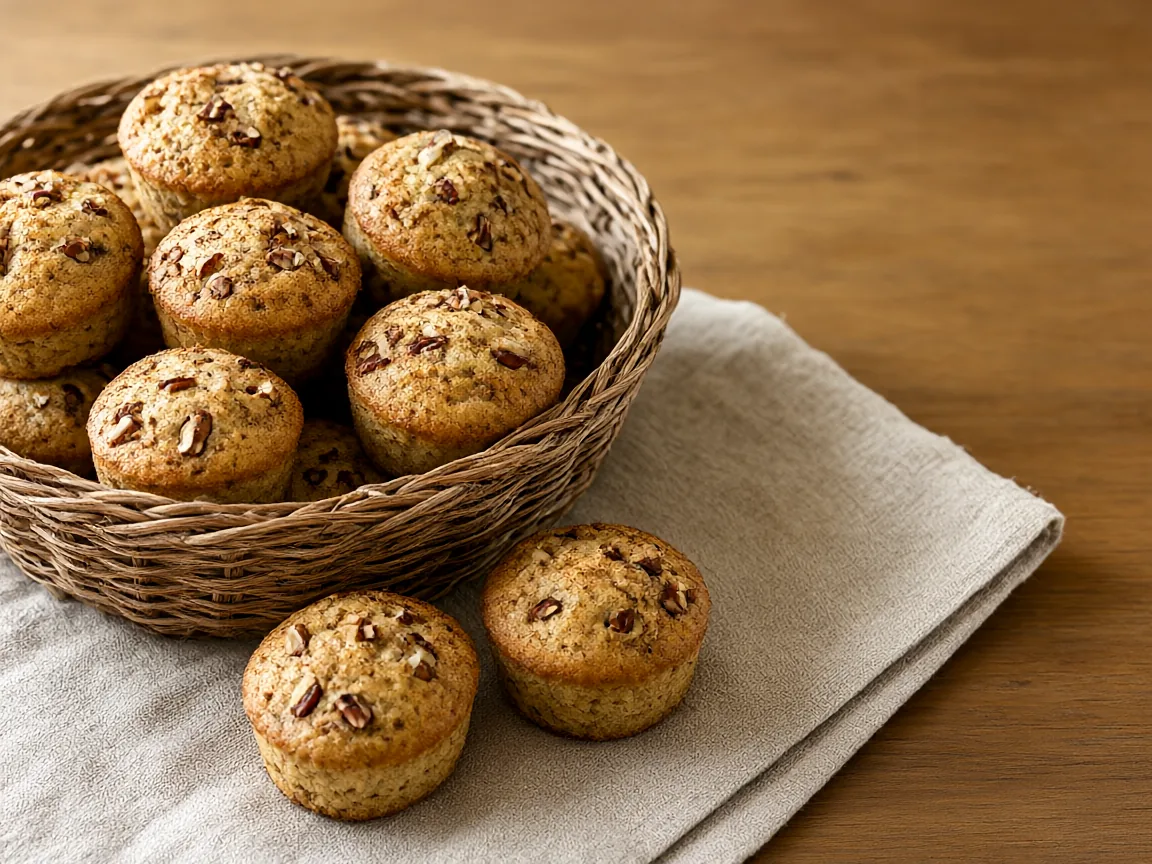
Cinnamon pecan: For a breakfast-style version, reduce the salt slightly, add cinnamon, and fold in a small amount of finely chopped pecans. Serve with plain cream cheese or butter. Avoid adding a liquid sweetener without adjusting the dry ingredients, because excess moisture can make the centers dense.
Jalapeño scallion: Add finely minced jalapeño and scallion to the dough after the egg. Remove excess seeds and pat the vegetables dry first. This variation is excellent with scrambled eggs or a simple tuna filling.
Topping and filling ideas
A toasted bagel is a useful base because it can carry a protein, a creamy spread, and something crisp. Try cream cheese with smoked salmon and cucumber, scrambled egg with cheddar, turkey with lettuce and mustard, or chicken salad with celery. Avocado and a fried egg make a quick meat-free combination. If you are watching portions, slice each bagel into halves and build an open-faced meal with one half plus a side of vegetables or plain yogurt.
For a warm meal, place the sliced bagel under a broiler with cheese for one or two minutes, watching closely. It can also be cubed and toasted into a crunchy salad topping. Leftover pieces are more useful when reheated briefly than when eaten cold, because the cheese-based crumb firms in the refrigerator.
Ingredient substitutions
Almond flour is the main dry ingredient, so substitutions change the texture. Coconut flour cannot replace it cup for cup because coconut flour absorbs much more liquid. If you need to use coconut flour, choose a tested recipe designed for that flour rather than guessing. Sunflower seed flour can often be used in a similar volume, although the color and flavor will change. A small amount of ground flax can replace part of the psyllium, but too much flax can make the bagels heavy and earthy.
For a dairy-free experiment, use a dairy-free shredded cheese that melts well and a compatible dairy-free cream cheese. Brands vary considerably, so the dough may require a teaspoon or two of additional water or a little more psyllium. Eggs help bind and lift the dough; an egg-free version will need a separately tested binder and may not hold the characteristic bagel shape. Keep substitutions modest the first time so you can identify which change affected the result.
Texture troubleshooting
Gummy center: The bagels may need a few more minutes in the oven, or they may have been sliced before cooling. Check that the oven reached 375°F and allow the next batch to cool longer. Very large bagels also need more time than small ones.
Crumbly dough: The cheese may have cooled before the egg was incorporated, or the almond flour may have been packed too tightly into the cup. Warm the dough gently and knead it again. Next time, weigh the flour and add the egg while the cheese is still flexible.
Flat bagels: Too much handling can deflate the shape, while an old baking powder may provide little lift. Make the center holes slightly smaller and check the freshness of the leavening. A tray that is crowded can also encourage the dough to spread into neighboring pieces.
Greasy surface: Excess heat can separate the cheese fat. Melt the cheese slowly and stop when it is just smooth. A small amount of oil on the surface is normal, but a pool of oil usually means the cheese was overheated or the dough was not thoroughly combined.
Hard edges: Overbaking or making very thin rings can dry the outside before the center is ready. Shape the bagels with even thickness and begin checking them at 18 minutes. A short reheat is better than a long bake if you want a softer crust.
Storage, freezing, and reheating
Store cooled bagels in an airtight container at room temperature for one day or in the refrigerator for up to five days. Refrigeration firms the crumb, so slice before reheating. For longer storage, split the bagels, place parchment between the halves, and freeze them in a sealed bag for up to two months. Toast or bake from frozen until the center is warm. Do not leave the cooked bagels uncovered in the refrigerator, because the almond flour crumb dries quickly and absorbs strong odors.
If you use an air fryer, warm a halved bagel at 325°F for three to five minutes, checking early because smaller appliances brown quickly. For more appliance ideas, see these air fryer low-carb recipes. A toaster oven at 350°F also works well. Add toppings after reheating when possible so the surface stays crisp.
Simple nutrition estimate
With the ingredient amounts above and no toppings, one of six bagels will generally provide a moderate serving of calories, fat, protein, and a relatively small amount of net carbohydrate compared with a wheat bagel. The exact nutrition depends on the almond flour, mozzarella, cream cheese, egg size, and serving weight. If you need accurate tracking, use the nutrition panel from the products in your kitchen and include any butter, seeds, or fillings. Remember that a low-carb bagel can still be energy-dense because nuts and cheese contain concentrated calories; pair it with a portion that matches your hunger and daily plan.
Frequently asked questions
Can I boil these bagels before baking?
A short boil is not required and can make this dough fragile. Traditional wheat bagels depend on gluten for a firm boil-and-bake structure, while this almond-flour dough is designed to be baked directly. If you want a shinier crust, brush with egg wash or butter instead.
Why is psyllium husk important?
Psyllium binds water and gives the dough flexibility. Without it, the bagels are more likely to crack, spread, or crumble. Whole husk and powder absorb at different rates, so use the amount listed for the form you have and allow the dough to rest before deciding whether it needs adjustment.
Can I make mini bagels?
Yes. Divide the dough into eight or ten pieces and make smaller rings. Start checking them after 14–16 minutes. Mini bagels are convenient for snacks, but calculate nutrition by the number of pieces actually made rather than assuming the six-bagel serving size.
What can I use instead of almond flour?
Sunflower seed flour is the closest practical swap in many kitchens, but it may produce a darker or slightly more savory bagel. Coconut flour is not a direct substitute. If nut-free baking is important, test a small batch first and record the exact flour weight, liquid, and baking time.
How can I make the recipe more like a sandwich roll?
Shape the dough into slightly wider, lower rings and use a smaller center hole. Bake until the sides are set but not deeply browned. The same dough can also be formed into short rolls, though the baking time may change because a solid roll is thicker than a ring.
Final tips for a reliable batch
Weigh the almond flour when possible, melt the cheese gently, and give the dough its full five-minute rest. Keep the bagels a consistent size so they finish together, and cool them before slicing. Once the basic method works, change only one ingredient at a time—such as the topping, cheese blend, or herb mix—so you can learn how each variation affects the crumb. For a second comparison, try the site’s keto almond-meal bread guide, then return to this bagel formula when you want a shaped, portable version.
This recipe for low carb bagels is at its best when treated as a flexible base rather than a fixed rule. Use it for breakfast sandwiches, toasted snacks, or a make-ahead lunch, keep track of the ingredients that matter to your goals, and let the bagels cool fully before judging the texture. With those habits, the recipe becomes repeatable enough for weekly meal preparation while still leaving room for different toppings and flavors.