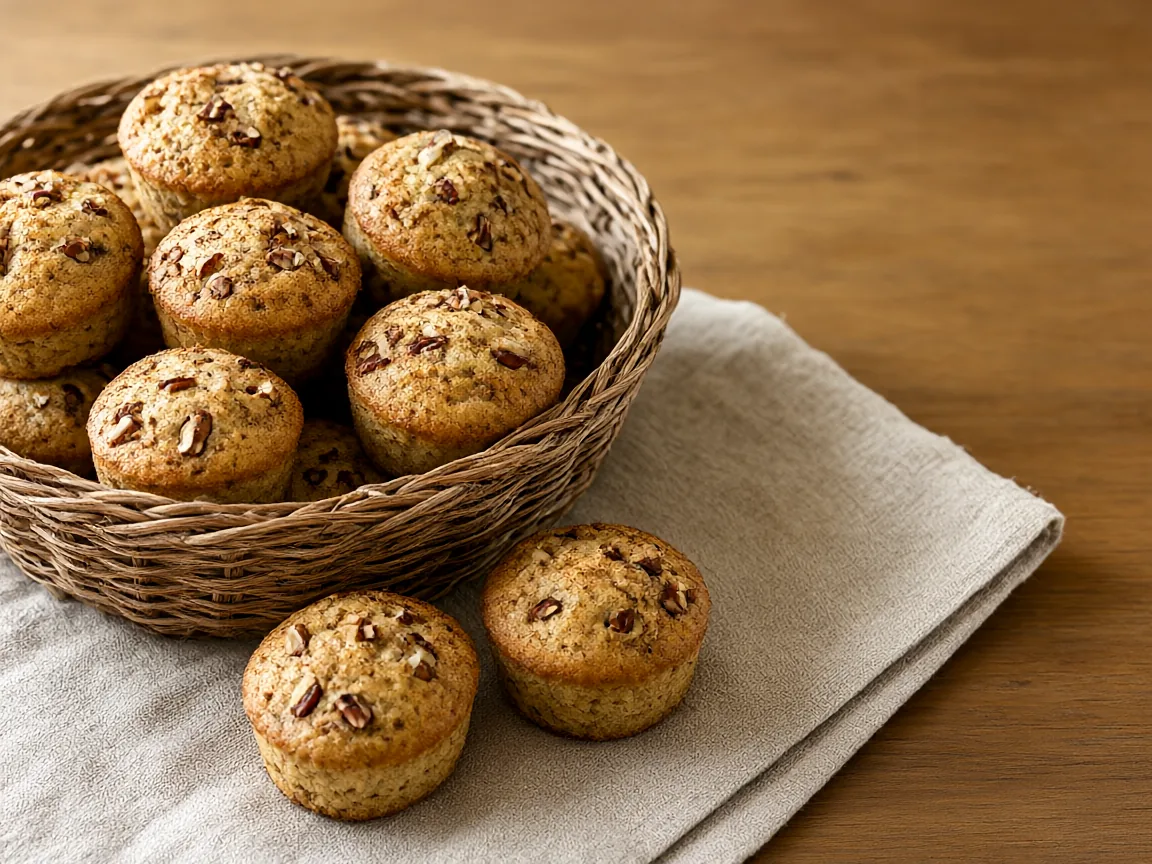
This low carb banana muffin recipe is designed for people who want the warm banana flavor of a classic muffin while keeping the batter built around almond flour, eggs, and a measured amount of fruit. Banana contributes more natural carbohydrate than berries, so the recipe uses a small portion for aroma and moisture rather than several whole bananas. Mashed banana extract or a little extra cinnamon can reinforce the flavor without making the muffins overly wet.
The finished muffins have a tender center, lightly browned edges, and enough structure to pack for breakfast or a snack. You will find the tested ingredient ratios, mixing order, substitutions, storage guidance, nutrition considerations, and fixes for common problems. For more ideas that fit the same general style, browse the low-carb recipe hub and compare the flour and binder choices in other baked goods.
How these muffins keep banana flavor balanced
Bananas provide sweetness, moisture, and a distinctive aroma, but a large amount can make a low-carb muffin dense and raise the carbohydrate total. This recipe uses about one-third of a medium ripe banana for six muffins. The fruit is combined with banana extract, cinnamon, vanilla, and optional walnuts so the flavor feels fuller than the quantity of fruit alone would suggest.
Use a ripe banana with visible brown spots for the strongest flavor. If the banana is green or only pale yellow, it will be less aromatic and more starchy. Mash the fruit until nearly smooth, then measure it rather than adding an entire banana by guesswork. Small differences in fruit size change the moisture of the batter and the nutrition of each portion.
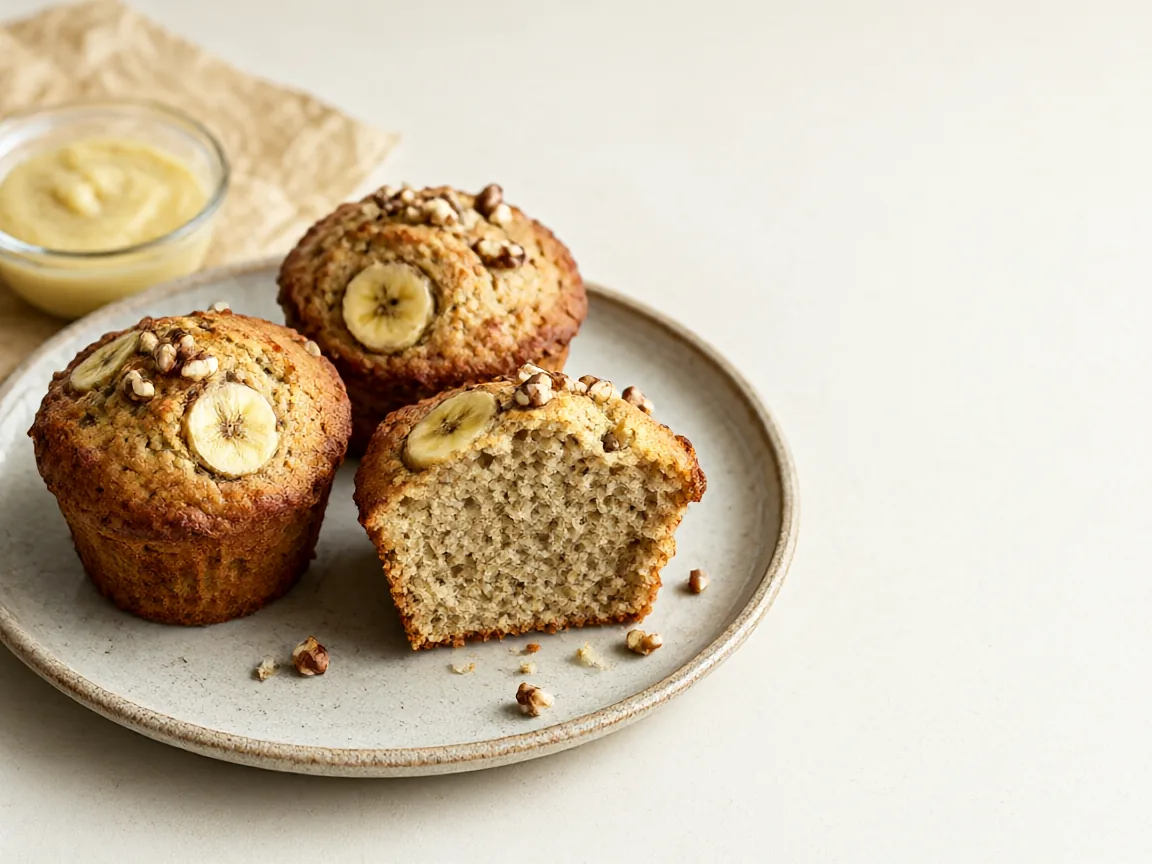
Ingredients for six muffins
- 1/3 cup finely mashed ripe banana, about 75–80 g
- 1 1/2 cups finely ground blanched almond flour, about 168 g
- 2 large eggs, room temperature
- 3 tablespoons unsalted butter, melted and slightly cooled
- 2 tablespoons powdered allulose or another suitable low-carb sweetener
- 1 teaspoon banana extract, optional but useful for a stronger flavor
- 1 teaspoon vanilla extract
- 1 teaspoon ground cinnamon
- 1 1/2 teaspoons baking powder
- 1/4 teaspoon fine salt
- 1/4 teaspoon xanthan gum or 1 teaspoon finely ground psyllium, optional for extra structure
- 2 tablespoons chopped walnuts, optional
Use a finely milled almond flour for the softest crumb. Almond meal can work, but it produces a more textured muffin and may need a slightly longer rest before baking. If your sweetener is granulated rather than powdered, allow the batter to sit for five minutes so it can dissolve before you judge the consistency.
Equipment and preparation
Heat the oven to 350°F (175°C). Line six cavities of a standard muffin pan with paper liners or grease them thoroughly. Because the batter contains almond flour and fruit, it can stick more readily than a wheat-flour muffin. Set out two bowls, a whisk, a rubber spatula, and a small scoop so the portions stay even.
Let the eggs and banana come close to room temperature. Cold ingredients can cause the melted butter to firm into small pieces, leaving the batter uneven. The butter should be liquid but not hot. If it feels warm on your finger, wait a few minutes before mixing it with the eggs.
How to make the low carb banana muffin batter
- Measure the banana. Mash the ripe banana until smooth and weigh or measure 1/3 cup. Save any extra for another use rather than adding it to the bowl.
- Mix the dry ingredients. Whisk almond flour, sweetener, cinnamon, baking powder, salt, and optional xanthan gum or psyllium until evenly distributed.
- Combine the wet ingredients. In a second bowl, whisk the eggs, mashed banana, melted butter, vanilla, and banana extract. Mix until the banana is dispersed and no streaks of egg remain.
- Fold the batter. Add the dry mixture to the wet mixture and fold until just combined. Stir in the walnuts last. Do not beat the batter, because overmixing can make an almond-flour muffin heavy.
- Rest briefly. Let the batter stand for five minutes. Almond flour and the optional binder will absorb some liquid, and the final texture will be easier to judge.
- Portion evenly. Divide the batter between six lined cavities. The cups should be about three-quarters full. Smooth the tops with a damp spoon if needed.
Bake for 20–25 minutes, rotating the pan once if your oven browns unevenly. The muffins are ready when the tops spring back lightly, the edges are set, and a toothpick inserted in the center comes out with a few moist crumbs rather than wet batter. Let them cool in the pan for 10 minutes, then move them to a rack.
Why cooling matters
Almond-flour muffins continue to set as they cool. The banana also holds moisture, so a muffin that seems soft after five minutes may become pleasantly tender after another 20 minutes. Cutting or packing them while hot can compress the crumb and make the center appear gummy. Cool them completely before placing them in a sealed container.
If the muffins are still wet in the center after cooling, check the next batch rather than trying to rescue the whole pan with extra baking time. The banana may have been measured generously, the cavities may have been overfilled, or the oven may run below its displayed temperature. Use a thermometer and weigh the fruit if the result is inconsistent.
Flavor variations
Banana walnut: Use the walnuts listed in the base recipe and add a pinch of nutmeg. Toast the walnuts briefly before chopping for a deeper flavor, but cool them before adding them to the batter.
Chocolate chip: Fold in a tablespoon or two of no-sugar-added or suitably labeled dark chocolate chips. Keep the amount modest because the chips can add sweetness and carbohydrate quickly. A little cocoa powder can provide chocolate aroma without adding much bulk.
Banana cinnamon crumble: Mix chopped walnuts with cinnamon and a small amount of melted butter, then sprinkle the mixture over the batter. Press it gently into the surface so it does not fall off while the muffins rise.
Peanut butter banana: Swirl a small teaspoon of natural unsweetened peanut butter into each portion before baking. Use a smooth product without added sugar, and do not add enough to make the center wet.
Coconut banana: Add one tablespoon of unsweetened shredded coconut and a little extra vanilla. Coconut absorbs moisture, so a large amount can make the muffins dry. Keep the addition small the first time.
Ingredient substitutions
Sunflower seed flour can replace almond flour in a similar weight, although it may produce a darker color and a slightly more savory taste. Pecan flour adds richness but can make the muffins more fragile. If you need to avoid nuts, choose a tested seed-flour formula rather than changing every ingredient at once.
Coconut flour is not a direct cup-for-cup replacement. It absorbs much more liquid and usually requires additional eggs or another liquid. If you are comparing almond-based baking methods, see these low-carb almond meal recipes for examples of how flour texture changes the amount of moisture needed.
For a dairy-free batch, use a plant-based butter that works well in baking. The water content differs by brand, so the batter may be slightly thinner or thicker. Eggs are important to the structure; an egg-free version needs a separate binder and should be tested as a small batch.
Making the banana flavor stronger without adding more fruit
Banana extract is the easiest way to increase aroma. Use a small measured amount because too much can taste artificial. Vanilla, cinnamon, toasted walnuts, and a pinch of salt make the banana note seem fuller. A tablespoon of browned butter can also add a warm flavor, but cool it before it reaches the eggs.
You can mash a portion of banana very smoothly and leave a few tiny pieces for texture, but large pieces create wet pockets. Avoid adding banana slices to the top before baking unless they are very thin and well dried. The slices release water and can make the surface sticky or cause uneven browning.
Texture troubleshooting
Gummy middle: Too much banana, underbaking, or slicing too soon is usually responsible. Measure the fruit, use six equal portions, and cool the muffins fully. If the top browns early, cover the pan loosely with foil and continue baking.
Dry muffins: The almond flour may have been packed too tightly, the coconut flour substitution may have absorbed too much moisture, or the muffins may have baked too long. Weigh the flour and begin checking five minutes earlier. A spoonful of sour cream can add tenderness in the next batch.
Flat tops: Check the freshness of the baking powder and avoid letting the batter sit for a long time before baking. Overmixing can also reduce lift. Fill the cavities evenly and use the correct pan size.
Greasy surface: The butter may have been too hot or the oven may have been too cool. Let melted butter cool before mixing and verify the oven temperature. Almond flour naturally contains fat, so a small amount of shine is normal, but pooling indicates separation.
Mild banana flavor: The fruit may not have been ripe enough, or the extract was omitted. Use a brown-spotted banana, add cinnamon and vanilla, and measure the extract rather than adding it by guesswork. Do not simply double the banana because the moisture and carbohydrate total will also rise.
Using an air fryer
Small batches can be baked in an air fryer using silicone muffin cups or a small compatible pan. Lower the temperature to around 320–330°F and begin checking after 12–15 minutes, because the circulating heat browns the tops quickly. Do not fill the cups as deeply as you would in a full-size oven unless you have tested the appliance.
An air fryer is also useful for reheating a cooled muffin. Warm it briefly at a moderate temperature so the edges do not dry out. For more air-fryer meal ideas, see these air fryer low-carb recipes. The banana muffins themselves should be cooled before reheating, not placed in the basket while still hot from the oven.
Storage and freezing
Store completely cooled muffins in an airtight container at room temperature for one day or in the refrigerator for up to five days. Place a paper towel under the muffins if they are particularly moist, and replace it if it becomes damp. Refrigeration firms the crumb, so warm a muffin briefly before serving if you prefer a softer texture.
To freeze, wrap each muffin individually and place them in a sealed freezer bag. Freeze for up to two months for the best texture. Thaw overnight in the refrigerator or at room temperature, then warm gently. Do not seal a warm muffin because condensation can make the top sticky and the center dense.
Serving ideas
Serve one muffin with coffee, tea, plain Greek yogurt, or a small amount of nut butter. The banana flavor pairs well with cinnamon cream cheese, but check the sweetener in the spread. For a more substantial breakfast, add eggs or another protein rather than turning the muffin into a large portion of the meal.
These muffins can also be split and toasted lightly after the first day. The cut sides brown quickly, so watch them closely. Crumble a leftover muffin over yogurt, or use small pieces in a low-carb trifle with whipped cream and berries. Chilled muffins are firmer and easier to cube without losing their shape.
Nutrition and portion planning
Banana contributes natural carbohydrate, so the final nutrition depends on the exact weight of fruit and the number of muffins made. Almond flour, butter, walnuts, and any chocolate chips also add calories and fat. Use the package labels for your ingredients, include the banana weight, and divide the total by the actual yield. Six large muffins and eight smaller muffins will have different numbers per serving.
If you are following a medically prescribed carbohydrate plan, check the labels for your sweetener, flour, and optional toppings and seek individualized advice from a qualified professional. The recipe is intended for general food planning, and a low-carb label does not remove the need to consider portion size.
Frequently asked questions
Can I omit the banana and keep the recipe the same?
Omitting the banana removes moisture and flavor, so the batter will be too dry unless another liquid is added. If you want a plain cinnamon muffin, use a recipe designed without banana rather than simply leaving it out.
Can I use banana-flavored protein powder?
You can add a small amount to a tested batter, but protein powder absorbs liquid and can make muffins firm. Replace only part of the almond flour and be prepared to adjust the eggs or cream. Check the label for sweeteners and serving size.
Why did the muffins sink?
They may have been underbaked in the center, overmixed, or filled too high. A large amount of banana can also weigh down the crumb. Measure the fruit, mix gently, and bake until the center springs back.
Can I make mini muffins?
Yes. Divide the batter into 10–12 mini cavities and begin checking after 10–12 minutes. The smaller muffins cool quickly, but calculate nutrition according to the number of pieces made.
What pairs well with banana muffins?
Cinnamon, walnuts, pecans, peanut butter, vanilla, chocolate, and coconut all work well. Keep wet toppings modest so the muffin does not become soggy. A thin spread of cream cheese is usually easier to portion than a liquid sauce.
Final tips for a reliable batch
Measure the banana instead of adding a whole fruit, use room-temperature eggs, and let the melted butter cool before mixing. Weigh the almond flour when possible, rest the batter briefly, and fill the pan evenly. Bake until the center is set, then cool completely before judging the texture. Those steps protect the muffin from the most common problems: wet centers, flat tops, and crumbly slices.
For another low-carb bread comparison, see the keto almond-meal bread guide. Once you know how much moisture almond flour needs, this low carb banana muffin recipe becomes easy to customize with walnuts, cinnamon, cocoa, or a small amount of chocolate while keeping the fruit measured and the portions predictable.