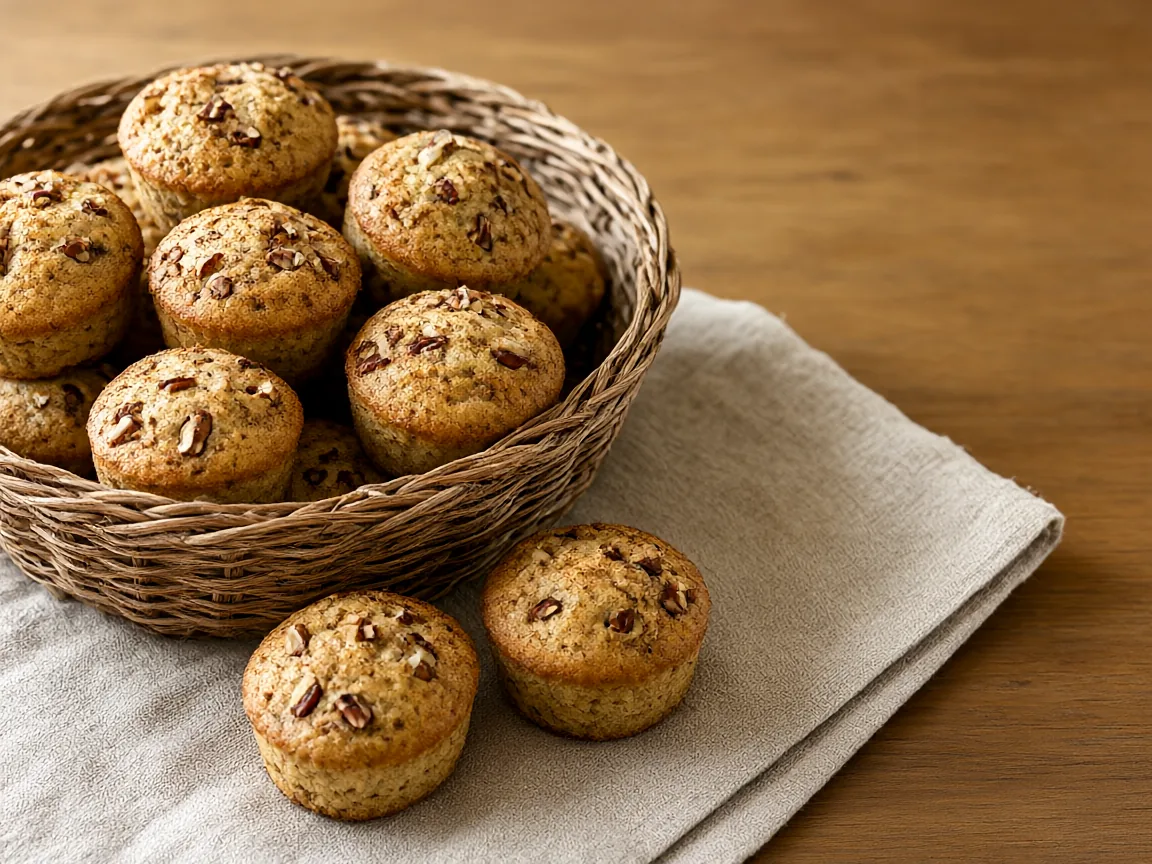
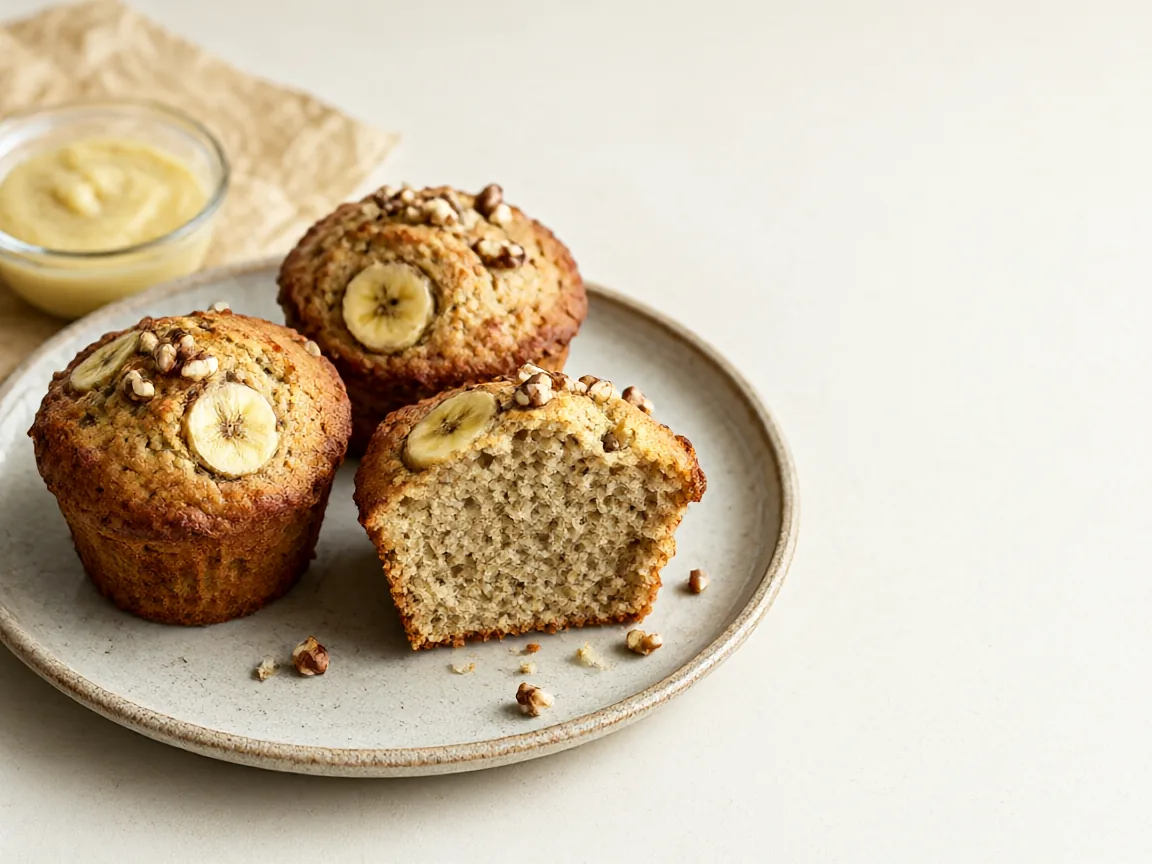
Almond flour bread recipes low carb work best when the loaf is treated as a tender, sliceable food rather than as a wheat-bread copy. A balanced mixture of almond flour, eggs, a small amount of leavening, and enough moisture can produce slices that work for breakfast, sandwiches, or a simple side. The key is to use finely ground almond flour, measure it by weight when possible, avoid overmixing, and let the loaf cool fully before slicing.
This guide gives one dependable base loaf, several ways to adapt it, and practical notes for storage. It is general food information, not individualized medical or nutrition advice. If you manage diabetes, a nut allergy, or another condition affected by carbohydrate intake, use your current professional guidance and check the labels of the ingredients you buy.
Quick answer: what makes a low-carb almond flour loaf work?
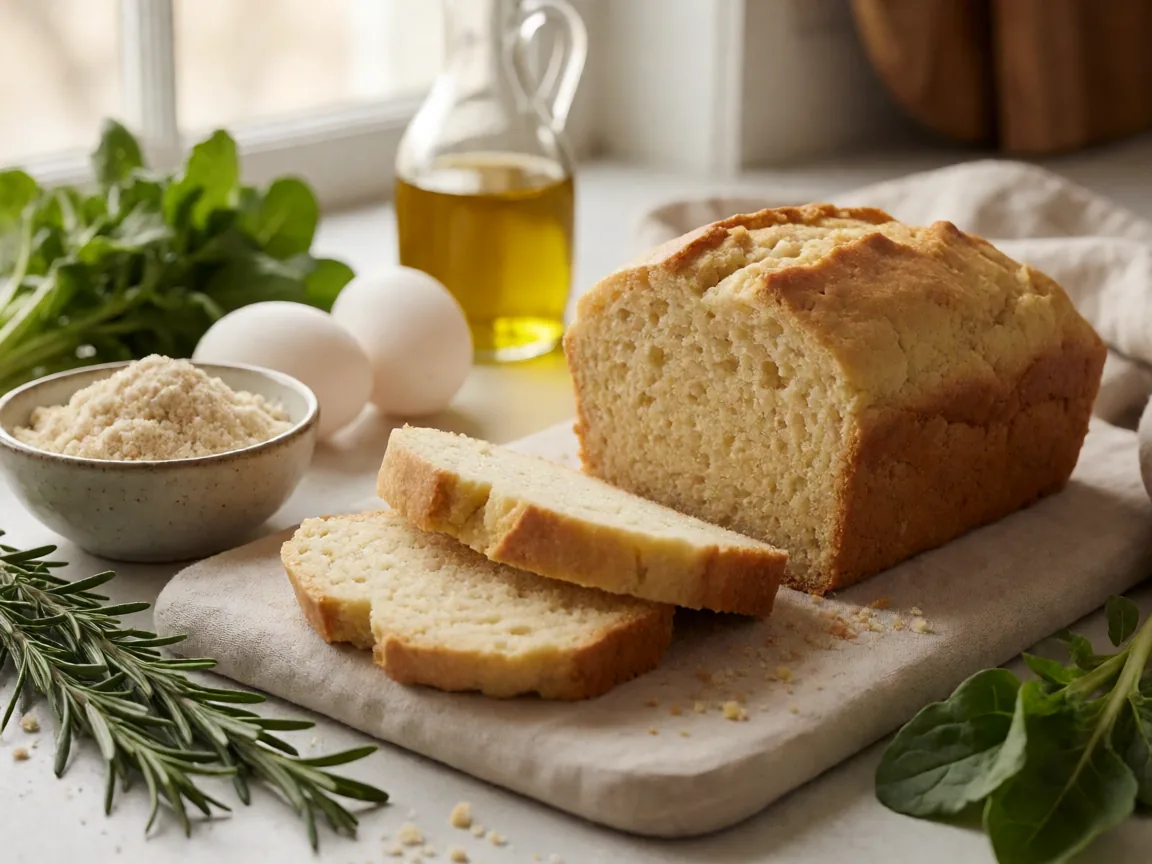
The most reliable structure comes from three parts: finely milled almond flour for body, eggs for lift and binding, and a modest amount of baking powder for a lighter crumb. A little olive oil or melted butter adds tenderness, while plain Greek yogurt or unsweetened almond milk can prevent a dry result. Mix only until the batter is even, bake in a lined loaf pan, and cool for at least 45 minutes before cutting.
For the base version, use 2 cups (about 224 g) fine almond flour, 1 1/2 teaspoons baking powder, 1/2 teaspoon salt, 4 large eggs, 3 tablespoons olive oil, and 2 tablespoons unsweetened almond milk or plain Greek yogurt. These amounts make about 10 slices in a standard 8-by-4-inch loaf pan. Almond flour contains more fat than wheat flour, so it browns quickly; a moderate oven and a foil cover near the end help protect the crust.
Ingredients and the job of each one
- Fine almond flour: gives the loaf its crumb. Almond meal with large pieces produces a heavier, more rustic texture.
- Eggs: provide structure and help the center set. Bring them close to room temperature for a smoother batter.
- Baking powder: adds lift. Check that it is fresh; an old leavener can leave a dense center.
- Olive oil or melted butter: keeps slices tender and carries savory flavor.
- Almond milk or Greek yogurt: supplies a small amount of moisture. Use unsweetened products and read the label.
- Salt and optional herbs: make the bread taste like food instead of a plain substitute. Rosemary, thyme, garlic powder, or black pepper work well.
Base recipe: tender almond flour bread
- Prepare the pan. Heat the oven to 350°F (175°C). Line an 8-by-4-inch loaf pan with parchment, leaving enough paper over the sides to lift the loaf out later. Lightly oil any exposed corners.
- Combine the dry ingredients. Whisk the almond flour, baking powder, salt, and any dry herbs in a medium bowl. Break up visible clumps so the leavener is spread evenly.
- Mix the wet ingredients. In a second bowl, whisk the eggs, oil, and almond milk or yogurt until blended. Do not whip aggressively; a uniform mixture is enough.
- Make the batter. Add the wet mixture to the dry mixture and fold until no dry pockets remain. Stop as soon as the batter is even. Overmixing can make the loaf tight and gummy.
- Fill and rest. Scrape the batter into the pan and smooth the top. Let it stand for five minutes while the oven finishes heating. This gives the flour time to hydrate.
- Bake and check. Bake for 35 to 45 minutes, or until the top is golden and a skewer inserted near the center comes out with only a few moist crumbs. If the top browns early, cover it loosely with foil.
- Cool before slicing. Leave the loaf in the pan for 10 minutes, then lift it onto a rack. Wait at least 45 minutes before slicing. Cutting too soon can make a properly baked loaf look wet and crumbly.
How to adapt the loaf without losing its structure
For a savory loaf, add 1 tablespoon chopped rosemary, 1/2 teaspoon garlic powder, and a few grinds of black pepper. For a breakfast-style slice, leave out the garlic and add cinnamon with a small amount of a granulated sweetener that fits your eating pattern. Do not add a large amount of wet vegetables without adjusting the method: grated zucchini, for example, should be squeezed very dry or it can leave the center damp.
Seeds can add texture, but keep the amount modest. Two tablespoons of sesame, pumpkin, or sunflower seeds are usually enough for one loaf. If you want a nut-free version, do not assume another flour will substitute one-for-one. Sunflower-seed flour can behave similarly, while coconut flour absorbs much more liquid and requires a different formula. For ingredient-led ideas, browse the ingredient guides before changing several ingredients at once.
Serving ideas for breakfast and meals
Use a slice as a base for eggs, tuna salad, roasted vegetables, or leftover chicken. A thin slice toasted in a dry skillet develops a firmer edge without needing extra oil. If you are building a sandwich, let the bread cool completely and keep wet fillings modest; excess moisture can soften the crumb quickly. For a simple plate, pair one slice with a protein and a vegetable side rather than treating the bread as the whole meal.
The loaf also works as a small open-faced snack with avocado, cottage cheese, or a measured amount of almond butter. If you want another almond-based option, these low-carb almond meal recipes use the same ingredient in different textures. For a broader collection of tested methods, visit the Recipes section.
Storage, reheating, and food safety
Cool the loaf fully before storing it. Wrap it or place it in a sealed container and refrigerate for up to four days, following your local food-safety guidance and the freshness of the ingredients used. For longer storage, slice it first, place parchment between slices, and freeze in a well-sealed bag. Toast or thaw individual slices rather than repeatedly warming the entire loaf.
If you add cheese, yogurt, meat, or another perishable topping, store that topping separately and keep it chilled. Do not judge safety by smell alone. A toasted slice can be reheated in a skillet, toaster oven, or air fryer until warm, but high heat can dry almond flour bread quickly. Start with a short heating time and add more only if needed.
Nutrition and portion context
Nutrition depends on the almond flour brand, egg size, oil, and final number of slices. Dividing the loaf into 10 pieces gives a practical reference point, but the exact carbohydrate, fiber, and calorie values should come from the labels of the ingredients you actually use. “Low carb” is not a guarantee that a recipe fits every dietary plan. If precise carbohydrate targets matter for your care, calculate from current labels or ask a qualified professional for help.
Common problems and quick fixes
Why is the center gummy?
The loaf may have been sliced while warm, the pan may have been too small, or the batter may have contained extra moisture. Cool it completely before judging. Next time, squeeze wet vegetables thoroughly, use the recommended pan, and bake until the center reaches a set texture.
Why did the loaf crumble?
It may have been cut too soon or baked too long. Almond flour has no gluten network, so cooling is part of the setting process. Use a serrated knife and gentle strokes, and try reducing the baking time slightly if the slices are dry.
Can I use almond meal?
Yes, but expect a more textured and possibly denser loaf. If the almond meal is coarse, pulse it briefly or choose a finely milled product for a lighter crumb. Keep the rest of the formula unchanged on the first test so you can identify what changed.
Final checklist
Use fine almond flour, measure the wet ingredients carefully, fold rather than beat, bake in a lined loaf pan, and wait for the loaf to cool before slicing. Those small controls matter more than adding a long list of specialty ingredients. A good low-carb bread is not required to imitate wheat bread perfectly; it needs to be sturdy enough for the way you plan to eat it, pleasant enough to repeat, and easy to store safely.
Slice thickness and batch preparation
Slice thickness changes how this bread behaves. Thin slices toast quickly and work well with soft toppings, while thicker slices hold a sandwich filling more comfortably but need a little more cooling time before cutting. Use a serrated knife and steady forward strokes rather than pressing down on the loaf. If the center still feels delicate, place the cut slices on a rack for a few minutes before toasting; the extra air exposure helps the crumb firm without drying the whole loaf.
For batch preparation, bake one loaf, cool it completely, and portion it before freezing. Keep the first few slices for immediate meals and freeze the rest with parchment between them. Write the date and the intended use on the container. A slice for breakfast, a slice for a sandwich, and a slice for a side may need different reheating methods, so deciding that before storage prevents unnecessary thawing. This simple system keeps the bread available without asking the loaf to stay fresh on the counter for an extended period.