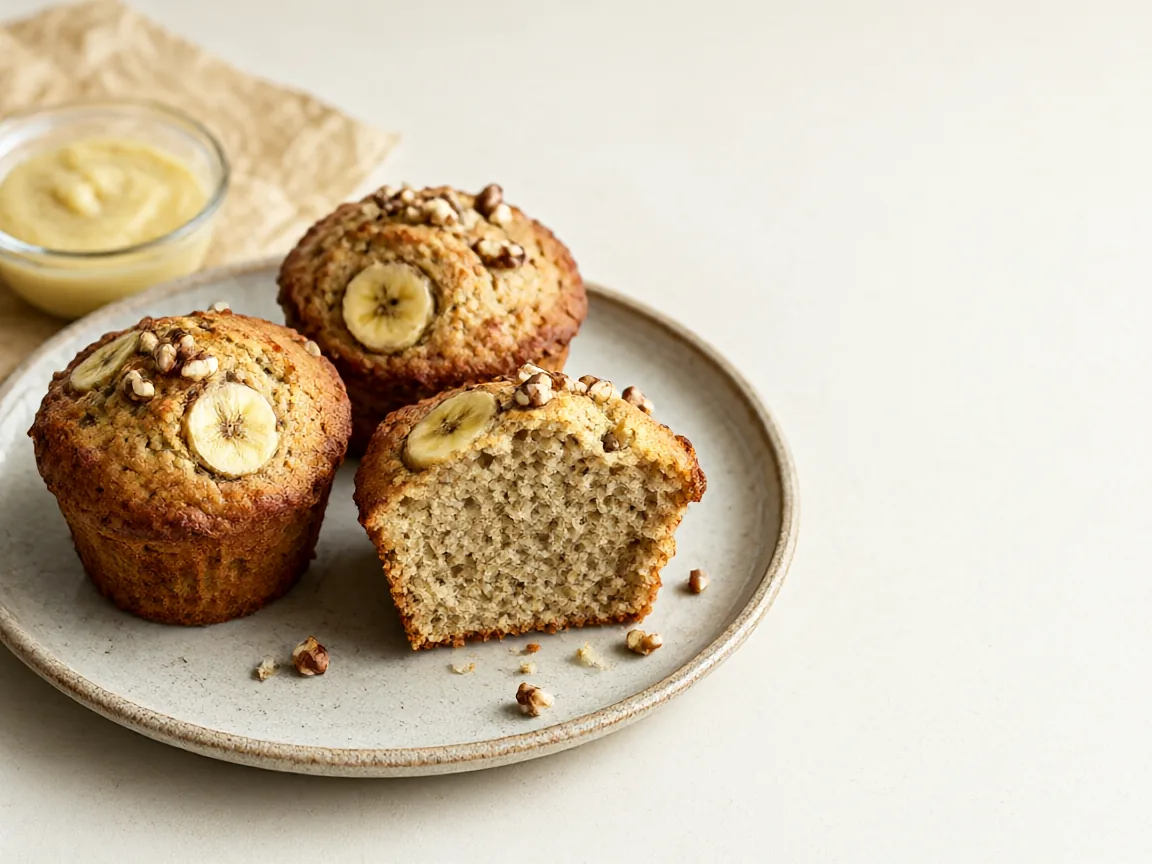
Banana keto muffins are a useful way to enjoy a familiar bakery flavor while keeping the recipe built around almond flour, eggs, and measured fruit. Because bananas contain more natural carbohydrate than berries, the most reliable approach is to use a small amount of very ripe banana for aroma and moisture, then support the flavor with cinnamon, vanilla, and optional banana extract. The result is a tender muffin with a lightly browned top and a soft, sliceable center.
This recipe makes eight medium muffins and is written for repeatable home baking. It covers the ingredient ratios, mixing order, substitutions, storage, nutrition estimates, and fixes for a wet or crumbly crumb. If you are planning a broader baking rotation, start with the low-carb recipe hub and compare the flour choices before changing the formula.
Why these banana keto muffins work
A traditional banana muffin gets much of its sweetness, moisture, and structure from wheat flour and several bananas. A keto-style version needs to control all three. Finely milled almond flour supplies a tender base, eggs hold the batter together, and a little psyllium or xanthan gum helps prevent the muffins from falling apart. One small ripe banana gives a recognizable flavor without making the batter as wet as a conventional recipe.
The flavor is strongest when the banana is ripe and aromatic. Choose a banana with brown spots, mash it until smooth, and measure the amount instead of adding a whole fruit. Extra banana can make the centers dense and can raise the carbohydrate total more than expected. If you want a stronger aroma, use a measured amount of banana extract rather than doubling the fruit.
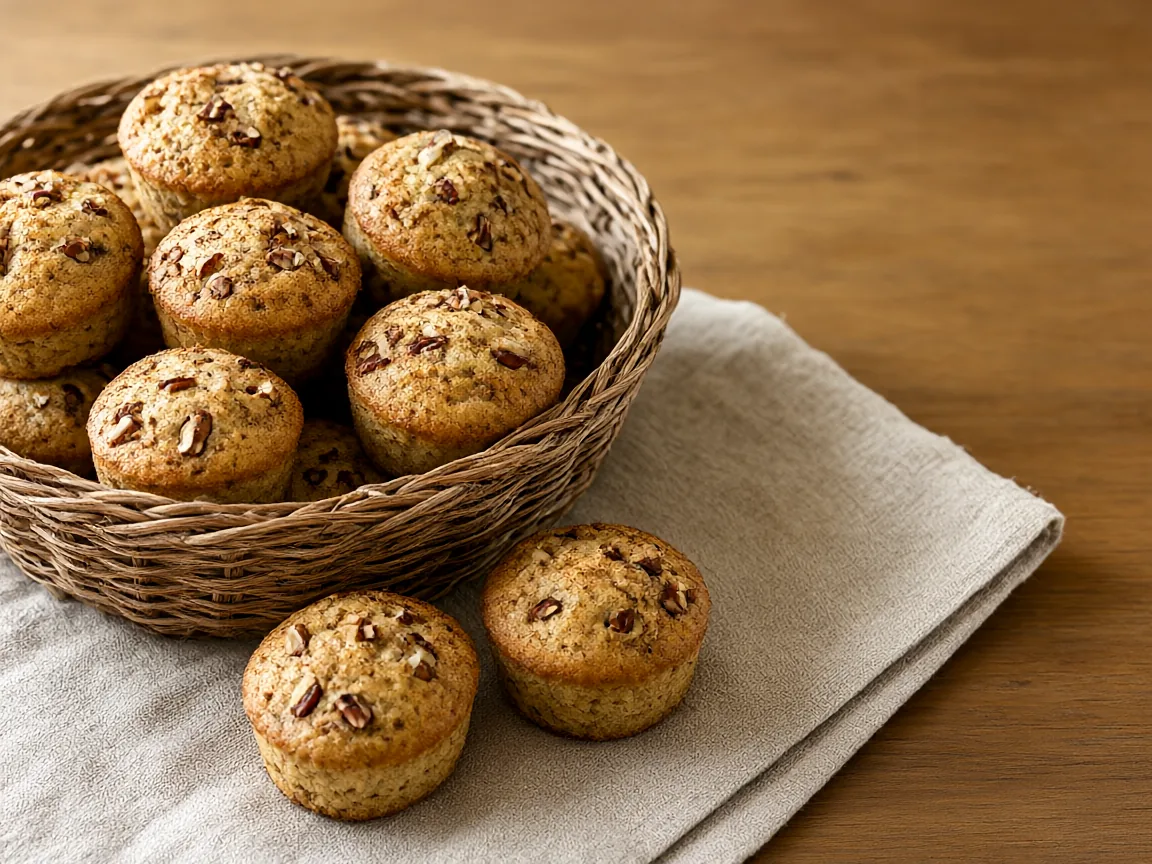
Ingredients for eight muffins
- 1/2 cup finely mashed ripe banana, about 110–120 g
- 2 cups finely ground blanched almond flour, about 224 g
- 3 large eggs, room temperature
- 4 tablespoons unsalted butter, melted and cooled slightly
- 3 tablespoons powdered allulose or another low-carb sweetener
- 1 teaspoon vanilla extract
- 1 teaspoon banana extract, optional
- 1 1/2 teaspoons ground cinnamon
- 2 teaspoons baking powder
- 1/4 teaspoon fine salt
- 1/2 teaspoon xanthan gum or 1 1/2 teaspoons finely ground psyllium husk
- 1/3 cup chopped pecans or walnuts, optional
For the softest texture, use almond flour rather than coarse meal. A small amount of chopped nuts adds contrast, but it is optional. If you use a sweetener blend containing erythritol, powdered form is preferable because it dissolves more smoothly. Check the label of your sweetener and any optional chocolate chips before calculating the final serving.
Prepare the pan and ingredients
Heat the oven to 350°F (175°C). Line eight cavities of a standard muffin pan or grease them thoroughly with butter. Almond-flour batter can stick more readily than wheat batter, especially when it contains banana. Let the eggs and banana come close to room temperature, and allow the melted butter to cool until it is warm rather than hot.
Put the almond flour, cinnamon, baking powder, salt, and xanthan gum or psyllium in a bowl. Whisk thoroughly so the binder and leavener do not remain in small pockets. In a second bowl, whisk the eggs, mashed banana, melted butter, vanilla, and banana extract. The wet mixture should look even before it meets the dry ingredients.
How to make the batter
- Combine wet and dry ingredients. Pour the wet mixture into the dry mixture and fold with a spatula. Stop when no dry streaks remain. A few small lumps are preferable to a heavily beaten batter.
- Add the nuts. Fold in the chopped pecans or walnuts. Reserve a teaspoon or two for the tops if desired.
- Rest the batter. Leave it for five minutes. Almond flour and the binder will absorb moisture, so the batter may thicken slightly.
- Portion evenly. Divide the batter among eight liners. Fill each about three-quarters full and smooth the tops with a damp spoon.
- Bake. Bake for 22–28 minutes, rotating the tray once if needed. The tops should be set and lightly browned, and a toothpick should show a few moist crumbs rather than wet batter.
Let the muffins cool in the pan for 10 minutes, then transfer them to a rack. Wait at least another 20 minutes before slicing or packing. The crumb sets as it cools, and the banana flavor becomes more noticeable after the muffins are no longer hot.
How to adjust the sweetness
Bananas vary in sweetness, so taste the mashed fruit before mixing. If it is very ripe, three tablespoons of sweetener may be enough. A less ripe banana may need a little more, but do not add a large amount without considering the texture of the sweetener. Powdered allulose keeps the muffin soft; erythritol may make it slightly firmer and can leave a cooling sensation.
Vanilla, cinnamon, toasted nuts, and salt make a muffin taste sweeter without requiring as much sweetener. Banana extract can also fill out the aroma. Add liquid sweetener cautiously because it contributes moisture without adding the dry bulk needed by almond flour. If using a concentrated product, follow the label rather than replacing sweetener by volume.
Flavor variations
Banana pecan: Use pecans, cinnamon, and a pinch of nutmeg. Toast the pecans first, let them cool, and fold them in at the end. This variation has a deeper, more bakery-like flavor.
Chocolate banana: Add a tablespoon of unsweetened cocoa powder and a small amount of no-sugar-added chocolate chips. Cocoa absorbs moisture, so the batter may need a teaspoon of cream or a little more mashed banana. Make only a small adjustment at a time.
Peanut butter banana: Swirl one teaspoon of natural unsweetened peanut butter into each portion. Avoid a large amount because the extra fat can weigh down the center. A thin swirl is enough to change the flavor.
Coconut cinnamon: Add one tablespoon of unsweetened shredded coconut and extra cinnamon. Coconut absorbs water, so do not use a full handful unless you also adjust the liquid.
Banana spice: Add cinnamon, a little ginger, and a pinch of allspice. This works well with a cream cheese spread and does not require additional fruit.
Flour and binder substitutions
Sunflower seed flour can usually replace almond flour by weight, although the color may be darker and the flavor more savory. Pecan flour creates a rich but delicate crumb. Coconut flour is not a cup-for-cup replacement because it absorbs much more liquid. If you want to experiment with it, replace only a small portion and test the result before changing the entire recipe.
Psyllium and xanthan gum are not identical. Psyllium can create a more bread-like, flexible crumb, while xanthan gum helps bind a muffin without adding much bulk. Use one or the other for the first batch so you can judge the difference. If you are exploring almond-based recipes, these low-carb almond meal recipes offer additional examples of how flour texture and binders affect moisture.
For a dairy-free version, use a plant-based butter made for baking. Product water content varies, so the batter may be slightly looser. Eggs are important to the structure; an egg-free version requires a separately tested binder and may not rise in the same way.
Making the muffins more portable
For lunch boxes or travel, bake the muffins in smaller portions and cool them fully before wrapping. Avoid wet toppings until serving. A thin layer of cream cheese can be carried separately, while a liquid sauce may make the top sticky. Nuts provide a little crunch without needing a separate topping.
Mini muffins are convenient for portion control. Divide the batter into 12 small cavities and begin checking after 13–16 minutes. The total carbohydrate per piece will be lower because the yield is larger, but the exact number depends on the weight of each muffin.
Texture troubleshooting
Gummy center: The batter may contain too much banana, the muffins may have been underbaked, or they may have been sliced while warm. Measure the fruit, use eight even portions, and cool completely. If the tops brown quickly, cover the tray loosely with foil and continue baking.
Dry or crumbly texture: Too much almond flour, too little butter, or overbaking can dry the crumb. Weigh the flour and begin checking at the shorter end of the baking range. A spoonful of sour cream can add moisture to a future batch, but change one ingredient at a time.
Flat muffins: Check the freshness of the baking powder and avoid mixing longer than necessary. An overly large amount of banana can also weigh down the batter. Fill the cups evenly and bake promptly after the five-minute rest.
Greasy tops: Butter that was too hot can separate from the eggs, and a cool oven can delay the setting of the crumb. Let the butter cool before mixing and verify the oven temperature with a thermometer. A slight sheen is normal because almond flour contains fat.
Weak banana flavor: The fruit may not have been ripe enough, or the recipe may need banana extract, cinnamon, or vanilla. Do not solve the problem by doubling the banana without adjusting the dry ingredients. Extra fruit changes both the structure and the carbohydrate total.
Air-fryer method
For a small batch, use silicone muffin cups or a small pan that fits the air fryer. Bake at approximately 320–330°F and begin checking after 12–15 minutes. The circulating air browns the tops quickly, so cover them loosely if the center needs more time. Leave space between cups for airflow.
An air fryer is also useful for reheating a chilled muffin. Use a moderate temperature for a short time so the edges do not dry out. For more appliance ideas, see these air fryer low-carb recipes. The muffins should be fully cooled before reheating or freezing.
Storage and freezing
Store cooled muffins in an airtight container at room temperature for one day or in the refrigerator for up to five days. Put a paper towel under the muffins if condensation is an issue. Refrigeration firms the almond-flour crumb, so warm a muffin briefly or let it sit at room temperature before serving.
To freeze, wrap the muffins individually and place them in a sealed bag for up to two months. Thaw in the refrigerator overnight or at room temperature. Do not seal a warm muffin because trapped steam can make the surface sticky and the center damp.
Serving ideas
Serve a muffin with coffee, unsweetened tea, plain Greek yogurt, or a small spoonful of nut butter. Cinnamon cream cheese makes a natural topping, but read the label of any prepared spread. For breakfast, pair one muffin with eggs or another protein rather than making the muffin the only part of the meal.
After the first day, split a muffin and toast the cut side briefly. The edges brown quickly, so watch them closely. Leftover muffins can be cubed into a chilled yogurt bowl or crumbled over whipped cream and berries. Their firm, cooled texture makes them easier to cut without losing the shape.
Nutrition and portion planning
Nutrition depends on the weight of the banana, the almond flour brand, the sweetener, the butter, and any nuts or chocolate. Calculate the total using the exact products in your kitchen, then divide by the actual number of muffins. A large banana and eight small bananas-sized muffins will not match the estimate from a small banana divided into eight portions.
If you are following a medically prescribed carbohydrate plan, review ingredient labels and sweetener details with a qualified professional. This recipe is intended for general food planning. Low-carb ingredients can still be energy-dense, so serving size remains useful even when digestible carbohydrate is reduced.
Frequently asked questions
Can I use a whole banana?
A whole banana will make the batter wetter and raise the carbohydrate total. It may also require a longer bake and produce a denser center. For a stronger flavor, use a small measured amount of banana extract instead.
Can I replace the banana with banana-flavored protein powder?
Protein powder absorbs liquid and changes the crumb, so it cannot replace banana directly. Replace only part of the almond flour in a tested small batch, and check the sweetener and carbohydrate information on the label.
Why did the muffins sink after baking?
They may have been underbaked, overmixed, or overfilled. Too much banana can also add weight. Check the baking powder, measure the fruit, and bake until the center springs back lightly.
Can I make these muffins without nuts?
Yes, omit the pecans and use a seed-flour formula if you need a nut-free batch. Do not replace the nuts with a large amount of wet fruit. Sunflower seeds can provide crunch when toasted and cooled.
What bread recipe pairs with this method?
For a sturdier almond-based bake, compare these keto almond-meal bread recipes. Bread uses more binder and less fruit moisture, so it demonstrates why the same flour needs different liquid and cooling instructions in different recipes.
Final tips for reliable banana keto muffins
Measure the banana, use room-temperature eggs, and cool the melted butter before mixing. Weigh the almond flour, rest the batter briefly, fill the pan evenly, and wait until the muffins are cool before judging the crumb. Add flavor with cinnamon, vanilla, toasted nuts, or a small amount of extract rather than adding unmeasured fruit.
Once the base recipe works, change one element at a time. Record the banana weight, sweetener brand, binder, pan size, and baking time. That simple habit turns banana keto muffins from an unpredictable substitute into a repeatable breakfast or snack that can be portioned, stored, and adapted to the rest of your low-carb baking plan.