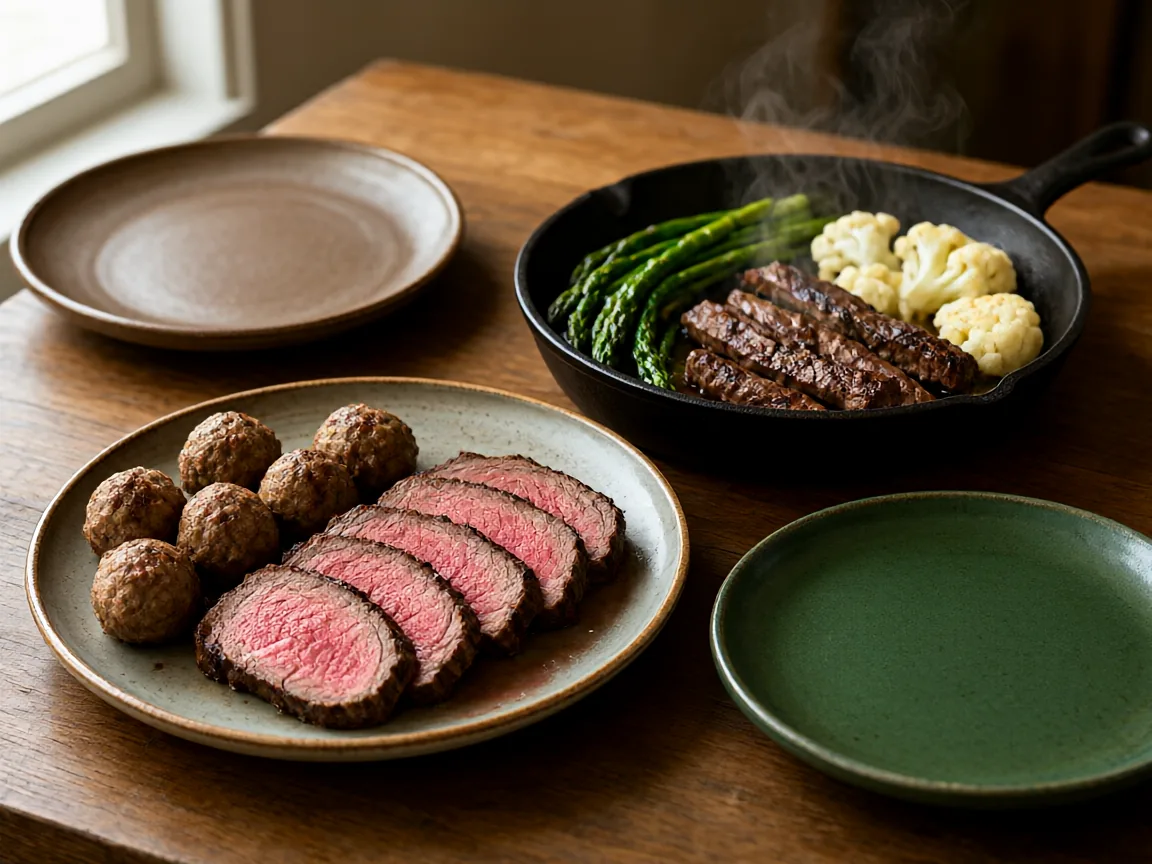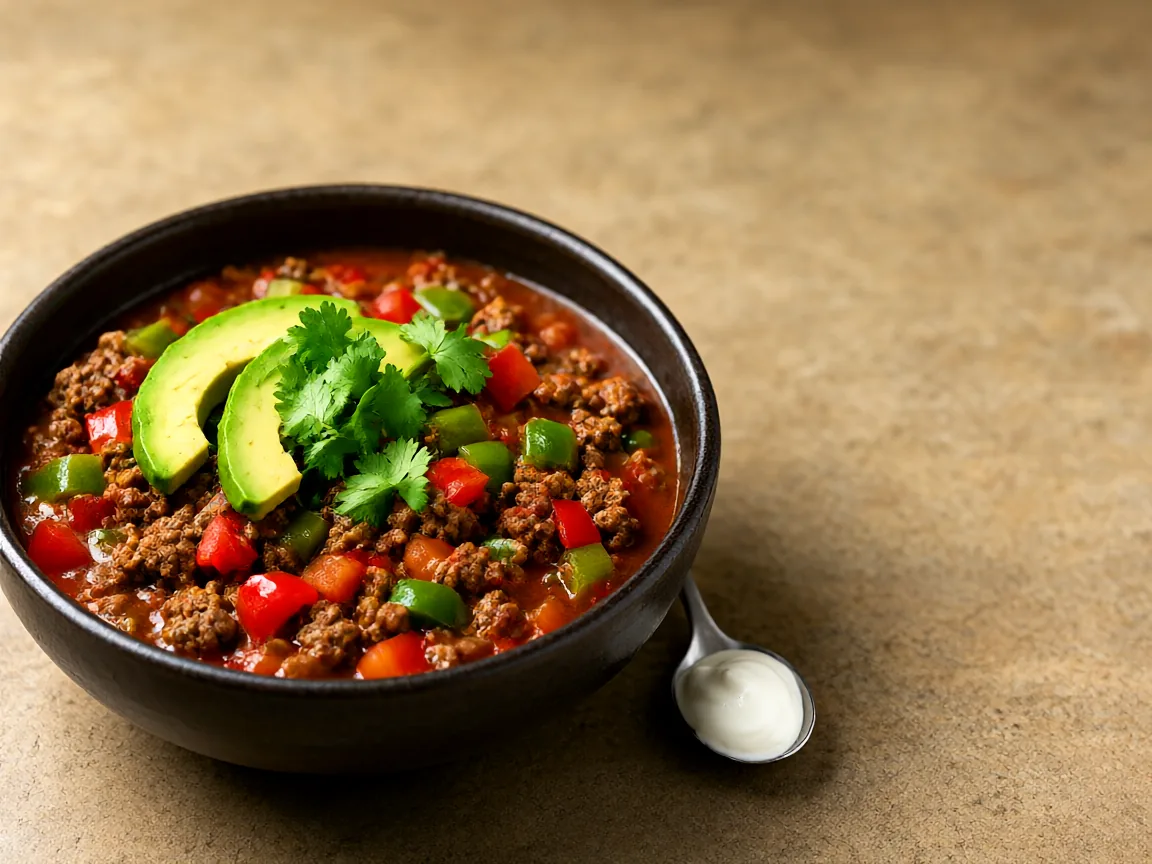
Low carb beef recipes are easiest to keep interesting when you vary the cut, cooking method, seasoning, and vegetable pairing. Ground beef can become a skillet meal, meatballs, stuffed peppers, or lettuce cups. Thin steak cooks quickly for a stir-fry, while chuck or brisket needs gentle heat and time to become tender. The common thread is to build flavor from beef, herbs, spices, broth, and non-starchy vegetables rather than relying on flour-thickened sauces or sugary marinades.
This guide gives a practical framework for weeknight beef meals, including tested ingredient ideas, cooking temperatures, substitutions, storage, nutrition notes, and a short FAQ. Use the low-carb recipe hub to combine these beef dishes with other meals, or choose one method below as a starting point for your own rotation.
What makes a beef recipe low carb?
Beef itself contains little or no carbohydrate, but the ingredients added around it can change the dish quickly. Flour in a gravy, sugar in a barbecue sauce, sweetened ketchup, bread crumbs in meatballs, and a large portion of starchy vegetables all contribute carbohydrate. A low-carb beef recipe keeps those ingredients measured or replaces them with broth, cream, cheese, tomato, herbs, spices, mushrooms, cauliflower, cabbage, zucchini, or leafy greens.
Low carb does not mean that every beef dish should be heavy. A balanced plate can include a moderate portion of beef, a generous serving of vegetables, and a sauce used for flavor rather than volume. For nutrition tracking, use the labels for your broth, condiments, dairy, and spice blends. The final numbers depend on the cut, serving size, cooking fat, and any toppings.
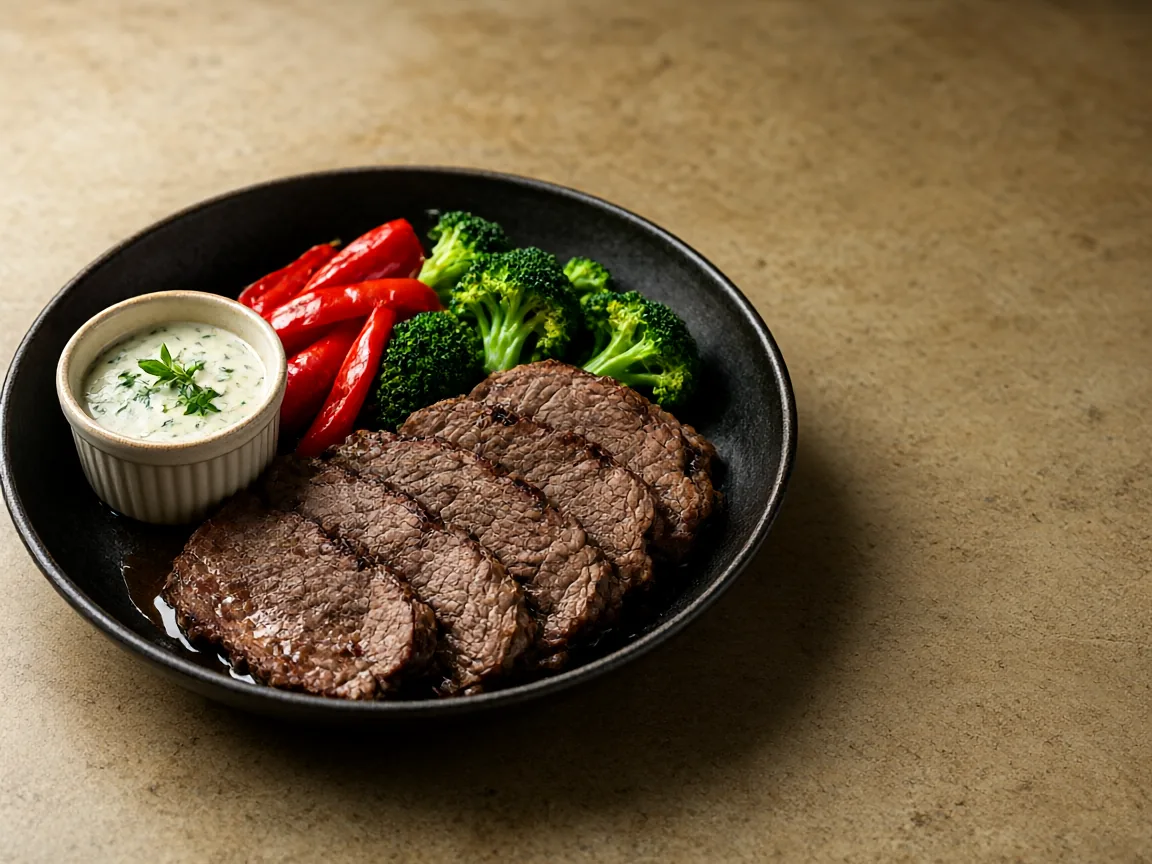
Choose the right cut
Ground beef
Ground beef is the most versatile choice for quick meals. Eighty-five to ninety percent lean beef gives a good balance of flavor and browning, while leaner beef may need extra oil or sauce. Brown it in a wide pan without overcrowding, then drain only the amount of fat you do not want. Ground beef works in taco bowls, burger patties, meatballs, stuffed vegetables, and egg-based breakfast skillets.
Thin steaks
Sirloin, flank steak, skirt steak, and shaved beef cook quickly. Slice flank or skirt steak across the grain after resting so the bites remain tender. A hot pan and short cooking time are better than low heat for these cuts. Marinades can add flavor, but check them for sugar and avoid soaking a thin steak for so long that the surface becomes soft.
Slow-cooking cuts
Chuck roast, brisket, short ribs, and stew beef contain connective tissue that becomes tender with time. Use a slow cooker, pressure cooker, or covered oven dish with broth and aromatic vegetables. Avoid adding flour at the beginning; reduce the cooking liquid or thicken a small amount with cream cheese, gelatin, or a controlled amount of xanthan gum after the meat is tender.
Recipe 1: garlic beef and broccoli skillet
Cut 1 pound of thin steak into strips and season with salt, pepper, garlic powder, and a little smoked paprika. Heat a large skillet, sear the beef in batches, and transfer it to a plate. Add broccoli florets and a splash of water, cover for two minutes, then uncover and let the edges brown. Return the beef to the pan with a sauce made from beef broth, tamari or coconut aminos, minced garlic, ginger, lime juice, and a few drops of toasted sesame oil.
Keep the sauce light so the broccoli stays crisp-tender. If you want more body, reduce the liquid for a minute rather than adding flour. Serve the skillet alone, over cauliflower rice, or with shredded cabbage. The same approach works with green beans, zucchini, or sliced mushrooms, but add vegetables according to their cooking time.
Recipe 2: skillet taco beef
Brown 1 pound of ground beef with diced onion, then add chili powder, cumin, paprika, garlic, oregano, salt, and pepper. Stir in chopped tomatoes or a small amount of unsweetened tomato sauce and simmer until the liquid is reduced. Add shredded lettuce, avocado, sour cream, grated cheese, and fresh cilantro at serving.
For meal prep, store the beef separately from lettuce and avocado. Reheat the meat in a skillet or microwave, then build the bowl with cold toppings. You can also spoon the beef into lettuce cups, use it to fill a bell pepper, or top a small portion of roasted cauliflower. Check taco seasoning packets carefully because some contain sugar or starch.
Recipe 3: low-carb beef meatballs
Combine 1 pound ground beef with one egg, two tablespoons grated parmesan, minced garlic, parsley, salt, pepper, and a small amount of ground flax or finely crushed pork rinds. Mix only until combined. Form into even balls and brown them in a skillet or bake them on a rack at 400°F until cooked through. Rest the meatballs for several minutes so the juices redistribute.
Serve with zucchini noodles, sautéed cabbage, or a tomato sauce with no added sugar. If the mixture feels too wet, rest it for five minutes before adding more binder. If the meatballs are dense, the mixture was likely overworked or the binder was excessive. Even shaping helps all pieces finish together.
Recipe 4: beef lettuce cups
Cook ground beef with ginger, garlic, scallions, chopped mushrooms, and a splash of tamari. Add sesame seeds and a little rice vinegar for brightness. Spoon the mixture into crisp butter lettuce or romaine leaves. Cucumber, shredded radish, and herbs add fresh texture without requiring a sweet sauce.
For a richer version, add a small amount of mayonnaise mixed with lime and chili. For more crunch, top with chopped peanuts or toasted sunflower seeds. Keep the filling warm and the lettuce cold so the cups remain crisp. Lettuce cups are best served immediately, but the filling can be stored separately for two days.
Recipe 5: slow-cooked beef and mushrooms
Cut chuck roast into large pieces and season with salt and pepper. Brown the pieces in a Dutch oven or pressure-cooker pot, then add mushrooms, garlic, thyme, beef broth, and a small amount of tomato paste. Cover and cook until the beef is fork-tender. Remove the meat, reduce the liquid, and finish with a little butter or cream.
Do not rush the browning step; the dark bits on the bottom become part of the sauce. Add the mushrooms after the beef is browned so they do not release all their water before the meat develops color. Serve with mashed cauliflower, roasted cabbage, or sautéed spinach. Leftovers often taste better the next day because the broth has time to absorb into the meat.
Recipe 6: beef and egg breakfast skillet
Brown ground beef with diced bell pepper, spinach, and scallion. Season with paprika, cumin, salt, and black pepper. Make small wells in the mixture, crack in eggs, cover the pan, and cook until the whites are set. Add cheese or avocado at serving if desired.
This is a useful way to use leftover beef. If the beef is already seasoned, add vegetables and eggs rather than more salt. Keep the vegetables dry so the skillet does not become watery. A spoonful of salsa can add acidity, but check the label for added sugar.
Recipe 7: beef-stuffed peppers
Halve bell peppers and remove the seeds. Brown ground beef with onion, cauliflower rice, garlic, oregano, and tomato. Fill the peppers, top with cheese, and bake covered until the peppers are tender. Uncover near the end so the cheese browns.
Red, yellow, and orange peppers are sweeter than green peppers, so portion size matters if you are tracking carbohydrates. You can use zucchini boats instead for a milder vegetable base. Keep the filling fairly dry; a watery filling can make the pepper collapse and leave the center loose.
Sauces and seasonings without hidden sugar
Build sauces from broth, butter, cream, sour cream, tomato, mustard, herbs, citrus, vinegar, and spices. Tamari and coconut aminos both vary in carbohydrate, so compare labels. Barbecue sauce, teriyaki sauce, ketchup, and bottled stir-fry sauces often contain sugar or starch. Use a small measured amount when it fits your plan, or make a quick version at home.
For a creamy pan sauce, remove cooked steak, add broth, scrape up the browned bits, and simmer. Turn off the heat and whisk in butter or a spoonful of cream cheese. For a bright sauce, combine lime, vinegar, garlic, cilantro, and olive oil. For a smoky sauce, use paprika, cumin, chili, and a small amount of tomato paste. The best combination depends on the cut and cooking method.
Vegetable pairings
Broccoli, cauliflower, zucchini, cabbage, mushrooms, asparagus, green beans, spinach, and leafy salads all work well with beef. Roast sturdy vegetables while the beef cooks, or use a quick skillet vegetable for a one-pan meal. Add delicate greens at the end so they wilt rather than disappear.
For a bread-based serving, choose a sturdy low-carb slice and toast it first. The keto almond-meal bread guide has ideas for a firm base that can hold sliced beef, lettuce, and sauce. Keep wet toppings measured so the bread does not become soggy.
Air-fryer beef ideas
An air fryer works well for meatballs, burger patties, steak bites, and thin strips of beef. Preheat if your appliance requires it, leave space between pieces, and turn once for even browning. Smaller cuts cook quickly, so use a thermometer or visual check rather than assuming the same timing as a full-size oven.
Air-fried steak bites can be tossed with garlic butter after cooking. Meatballs can be served with a yogurt-herb dip, and burger patties can be paired with cabbage slaw. For more appliance-specific combinations, see these air fryer low-carb recipes. Avoid crowding the basket because trapped steam prevents browning.
Substitutions and dietary adjustments
Ground turkey or chicken can replace beef in many skillet and meatball recipes, but the leaner meat may need additional oil or sauce. Pork can replace beef in lettuce cups or stir-fries. If you are avoiding dairy, use olive oil, avocado, or a dairy-free cream alternative instead of cheese and butter.
For a nut-free side or binder, use pork-rind crumbs, ground flax, sunflower seeds, or grated parmesan when appropriate. If using almond meal in a meatball mixture, keep the amount small so it does not make the center gritty. These low-carb almond meal recipes show how the ingredient behaves in different preparations, but a beef mixture still needs its own moisture balance.
Tenderness and cooking tips
For steaks, slice across the grain and avoid cooking past the desired doneness. For ground beef, do not press the meat constantly while it browns; letting it contact the pan creates better flavor. For chuck or brisket, use enough liquid to create gentle steam and allow time for connective tissue to soften.
Salt timing depends on the cut. Salting a steak shortly before cooking can improve the surface, while salting ground beef just before shaping keeps the texture more tender. A slow-cooked roast can be seasoned generously because the liquid dilutes the flavor. Taste the final sauce before adding extra salt, especially when using tamari, broth, or cheese.
Storage, reheating, and meal prep
Cool cooked beef promptly and refrigerate it in shallow containers. Store sauce, lettuce, avocado, and crisp vegetables separately. Ground beef and meatballs are usually best within three to four days, while cooked steak is often better within two to three days. Reheat gently with a little broth or sauce so the meat does not dry out.
Freeze meatballs, taco beef, and slow-cooked beef in portioned containers. Label the date and sauce so you can plan meals without opening several packages. Thaw in the refrigerator and reheat until hot. Avoid repeatedly heating and cooling the same container because the texture and food quality will decline.
Nutrition and portion planning
Beef recipes vary widely in calories, fat, and protein depending on the cut and cooking method. A lean steak with vegetables has a different profile from ground beef cooked with cheese and cream. Calculate the recipe using the package label, cooked yield, oil, sauce, and toppings. Measuring sauce and cheese is especially helpful when a dish is intended for repeat meal prep.
Low-carb meals can still be rich, so balance a fatty cut with vegetables and choose a portion that matches your plan. If you follow a medically prescribed diet or need to restrict a specific ingredient, review the recipe with a qualified professional. The guidance here is general food planning rather than individualized medical advice.
Frequently asked questions
What is the quickest low-carb beef recipe?
Thin steak strips or ground beef cook in about 15–20 minutes when paired with quick vegetables. A wide skillet helps the beef brown rather than steam. Prepare the sauce and vegetables before the pan gets hot so the meat is not overcooked while you assemble the rest.
Can I use frozen ground beef?
Thawing in the refrigerator is best for even browning. If you cook from frozen, use a covered pan to soften the outside, break off cooked portions gradually, then uncover and brown. Do not add sauce until the beef is fully cooked and the excess water has evaporated.
How do I keep beef meatballs tender?
Use enough fat, avoid overmixing, and measure the binder. An egg and a small amount of parmesan, flax, or pork-rind crumbs can hold the meatballs together. Cook just until done and let them rest before serving.
Can I use a slow cooker for these recipes?
Slow cookers are best for chuck, brisket, short ribs, and stew beef. Brown the meat first when possible, use broth rather than flour-thickened liquid, and add delicate vegetables later if you want them to keep their shape.
What can I serve instead of bread or rice?
Use cauliflower rice, shredded cabbage, zucchini noodles, roasted broccoli, mashed cauliflower, lettuce cups, or a large salad. If you prefer bread, toast a sturdy almond-flour slice before adding beef and sauce.
Final tips for reliable low carb beef recipes
Match the cut to the cooking method, keep sugary sauces measured, and let the beef brown before adding liquid. Slice steak across the grain, rest cooked meat, and separate crisp toppings during storage. A few dependable sauces and vegetable pairings can turn the same ground beef or steak into several distinct meals without adding flour or unnecessary sugar.
Start with one skillet recipe, record the cut and cooking time, and adjust only one ingredient at a time. With that approach, low carb beef recipes become flexible enough for weeknight dinners, meal prep, and casual entertaining while keeping the plate flavorful, satisfying, and easy to portion.