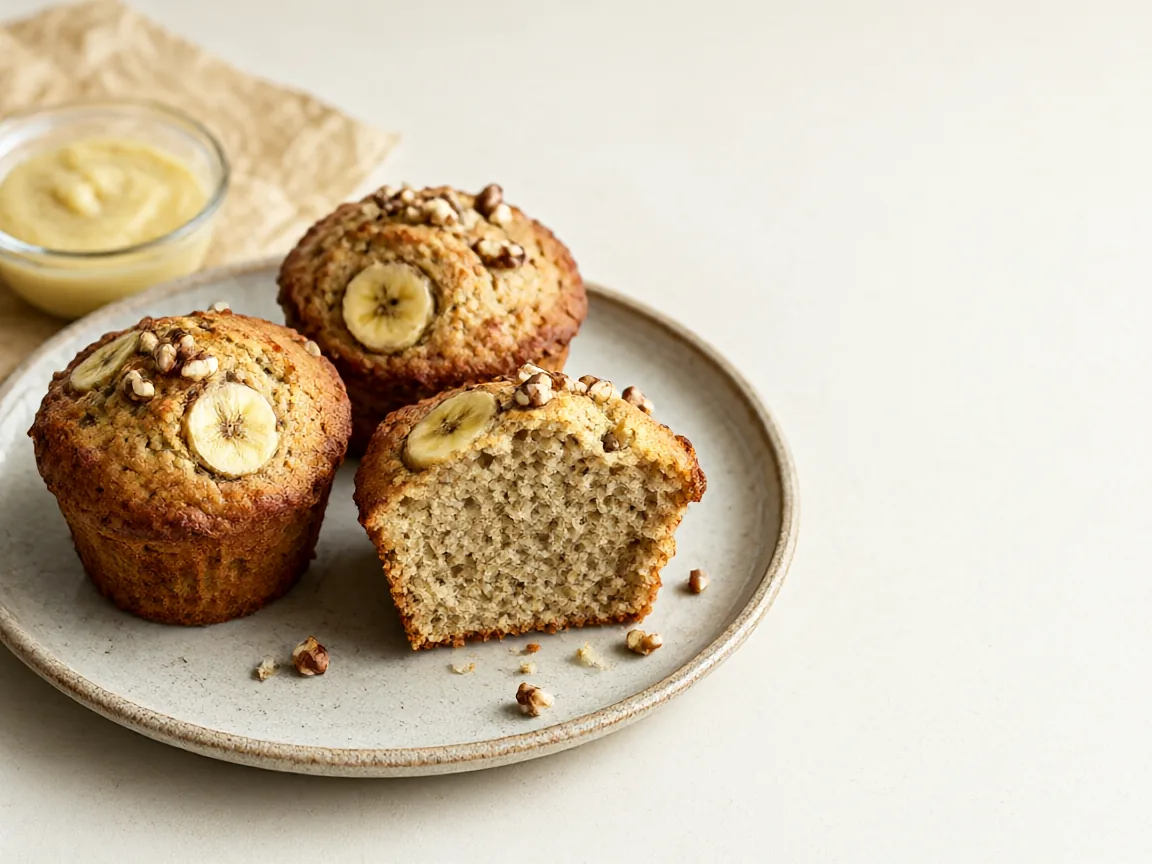
Low carb artisan bread is a loaf made to look and feel more like a rustic bakery bread while using a lower-carbohydrate ingredient structure. It will not behave exactly like a wheat sourdough or a traditional flour boule, because the dough does not contain the same starch and gluten network. Still, a carefully balanced formula can produce a browned crust, a sliceable center, and enough chew for toast or sandwiches.
The most important parts are moisture, binding, and cooling. Almond flour adds tenderness, flax or psyllium helps hold water, eggs provide structure, and a hot oven creates the initial crust. If the dough is too wet, the center can stay gummy. If it is too dry, the loaf may crack or crumble. This guide explains a practical method, how to shape the loaf, how to adjust the texture, and how to calculate the portion.
What makes artisan-style bread different?
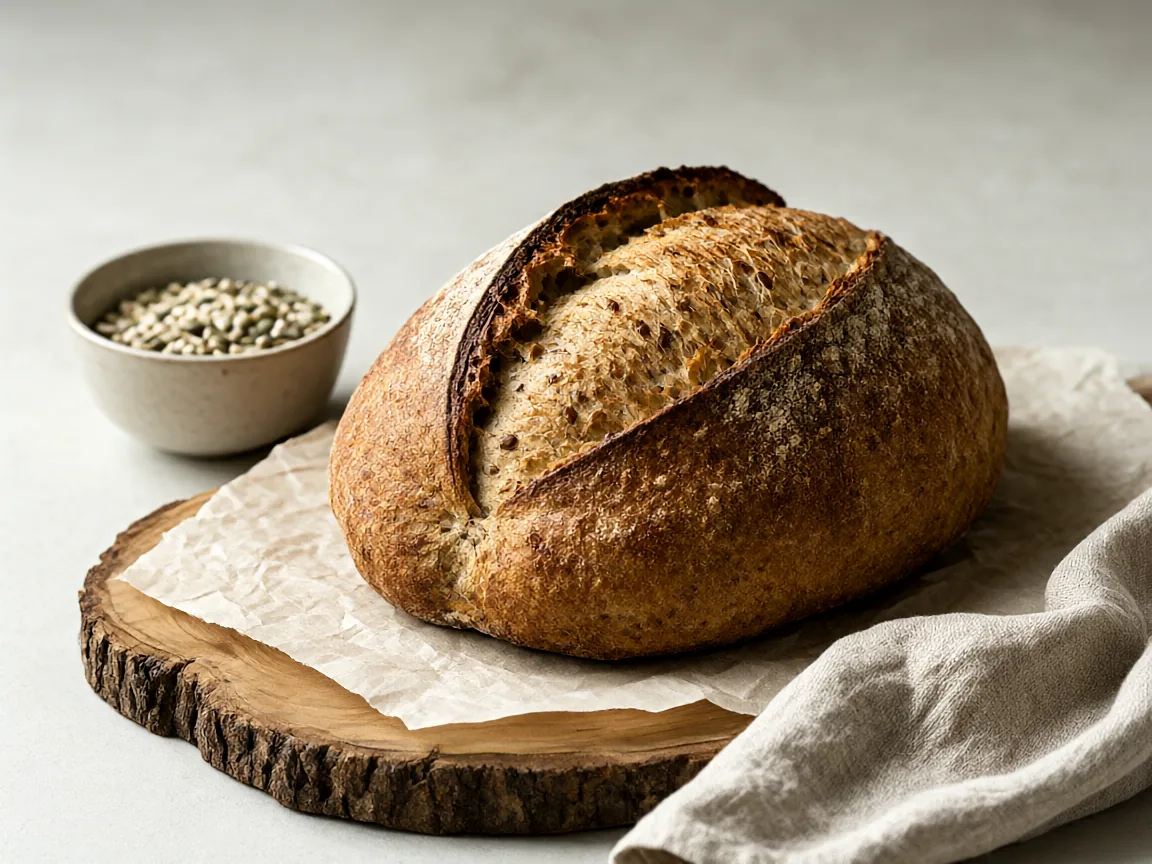
Artisan-style bread is usually associated with a shaped loaf, a browned crust, a visible score, and an open or irregular crumb. In a low-carb formula, those features come from shaping, steam, surface moisture, and controlled baking rather than from a long gluten fermentation. The crumb may be denser than a wheat loaf, but it can still be tender and easy to slice.
Do not judge the loaf while it is hot. The interior continues to set as it cools. Slicing too soon releases steam and can make the center seem wet even when the loaf would have finished properly. Let the loaf cool completely before deciding whether the next batch needs more liquid, more baking time, or a different binder.
Ingredients for one small loaf
- 1 1/2 cups finely ground blanched almond flour
- 1/3 cup ground flaxseed
- 2 tablespoons ground psyllium husk powder
- 1 teaspoon baking powder
- 1/2 teaspoon fine salt
- 3 large eggs
- 2 tablespoons olive oil or melted butter
- 1/3 cup warm water, plus more only if needed
- 1 teaspoon apple cider vinegar or lemon juice
- Optional: sesame seeds, sunflower seeds, or dried herbs for the crust
Fine almond flour creates a smoother crumb than coarse almond meal. Flaxseed contributes flavor and helps the bread hold together, while psyllium provides a flexible gel that supports shaping. If you are sensitive to one of these ingredients, substitutions are possible, but the water ratio will change. Test a small loaf instead of replacing every ingredient at once.
How to make the loaf
1. Prepare the oven and pan
Heat the oven to 425°F, or 220°C. Place a heavy baking sheet or Dutch oven in the oven while it heats if you want stronger bottom heat. Line a separate sheet of parchment for shaping. If you are using a covered Dutch oven, confirm that its lid and handles are oven-safe.
2. Mix the dry ingredients
Whisk the almond flour, ground flaxseed, psyllium, baking powder, and salt in a bowl. Break up any clumps. Uneven psyllium distribution can create a loaf with gummy pockets, so take time to mix the dry ingredients thoroughly before adding liquid.
3. Add the wet ingredients
Whisk the eggs, oil, warm water, and vinegar in a second bowl. Add the liquid to the dry mixture and stir until a thick dough forms. It may look loose at first. Let it rest for five minutes before deciding whether to add water or more almond flour. The psyllium and flax will continue to absorb liquid during this pause.
4. Shape and score
Turn the dough onto the parchment and shape it into a compact round or short oval. Wet your hands lightly if the dough sticks. Smooth the surface without pressing all the air out of the dough. Use a sharp knife to make one shallow slash across the top. Add seeds or dried herbs if desired, pressing them gently into the surface.
5. Bake with controlled heat
Transfer the shaped dough to the hot baking surface. If using a covered Dutch oven, cover it for the first 20 minutes, then uncover it and continue baking for another 20 to 30 minutes. If using a sheet pan, place a small oven-safe dish of hot water on a lower rack during the first part of baking to add moisture to the oven. The loaf should be deeply golden and firm when tapped.
6. Cool completely
Remove the loaf from the pan and place it on a rack. Let it cool for at least two hours before slicing. A small loaf may cool faster, but the center needs time to finish setting. If you cut it while hot, the steam can make the crumb appear gummy and the slices may collapse.
How to develop a better crust
A low-carb dough contains less starch than a conventional artisan loaf, so it may not brown in exactly the same way. A hot oven, a preheated surface, and a thin coating of oil can help the crust color. A covered first stage keeps the surface from drying before the interior is set. Remove the cover for the second stage so the crust can firm.
Do not add too many seeds to the outside. Seeds can burn before the loaf is done, especially on a dark pan. Use a moderate amount and press them lightly into the dough. If they brown too quickly, tent the loaf with foil while the center finishes baking.
A shallow score is safer than a deep cut. The dough does not expand like a gluten-rich loaf, and a deep score can make the loaf split unevenly. One clean line is enough to create a rustic appearance and give steam a controlled path.
How to adjust the crumb
For a softer crumb, keep the loaf slightly thicker and avoid overbaking. The eggs and oil provide tenderness, while the almond flour contributes fat. For a drier, more toastable crumb, bake a little longer at a slightly lower temperature after the crust has browned. Always cool completely before judging the result.
If the center is gummy, the dough may have contained too much water, the loaf may have been too thick, or it may have been sliced too early. Reduce the water by a tablespoon in the next test or extend the uncovered baking time. If the loaf is dry and crumbly, the dough may have been too dry or the loaf may have baked too long. Add water gradually and keep the shape compact.
If the bread crumbles when sliced, chill it before cutting and use a serrated knife. A very thin slice can break more easily than a medium slice. For sandwiches, a slightly thicker slice often works better and gives the filling a stable base.
Flour and binder substitutions
Almond meal can replace part of the almond flour for a more rustic texture, but the larger particles may require more resting time. Coconut flour is not a direct replacement because it absorbs much more water. A coconut flour version needs a different formula with a different egg and liquid balance.
If you do not use psyllium, ground flaxseed can provide some binding, although the loaf may be darker and more fragile. Xanthan gum can be used in very small amounts in some formulas, but too much can create a rubbery center. Make a half batch when testing a new binder and record the exact amount of liquid.
For a softer sliced bread rather than a rustic round, compare the method with this almond flour low-carb bread recipe. The loaf shape and crust are different, but the same moisture and cooling principles apply.
Serving ideas
Toast a medium slice and top it with eggs, avocado, cottage cheese, or smoked fish. For a savory sandwich, use sliced chicken, turkey, tuna, or roast vegetables with lettuce and cucumber. Keep wet sauces moderate so the crumb does not become soggy. A thin layer of mustard or a measured dressing is usually easier to control than a large amount of mayonnaise.
For breakfast, one slice with protein may be enough. If you want two slices, include the full sandwich in your carbohydrate and energy calculation. The bread is a meal component, not a replacement for protein or vegetables. A plate with one slice, eggs, and vegetables may be more filling than a large bread-based meal.
If you prefer a wrap, use the almond flour tortillas keto guide. A tortilla is more flexible but less crusty, while artisan bread is better for toast and open-faced sandwiches.
Nutrition and portion planning
Calculate the carbohydrate from the almond flour, flaxseed, eggs, and any toppings. Subtract fiber according to the method you normally use for net carbohydrates. Divide the total by the number of slices you expect to cut. Slice count matters: a loaf cut into eight thick slices has a different serving value from the same loaf cut into twelve thinner slices.
Seeds and spreads can add energy even when they add little carbohydrate. Butter, avocado, cheese, nut butter, and mayonnaise should be included in the meal calculation. If weight management is part of your goal, watch both the bread portion and the topping portion.
Different almond flour and flaxseed brands can have different nutrition numbers. Use the labels on the ingredients you actually buy. A homemade loaf gives you control, but it also means the estimate depends on accurate measurements and equal slices.
Storage and freezing
Cool the loaf completely before storing it. Keep it in an airtight container or sealed bag for up to three days at room temperature if your kitchen is cool. If the bread is very moist or your kitchen is warm, refrigerate it. Chilling can firm the crumb, so toast slices briefly before serving.
Freeze slices individually with parchment between them. Place the stack in a freezer-safe bag and press out excess air. Toast directly from frozen or thaw in the refrigerator. Freezing the loaf whole makes it harder to cut and can create uneven thawing, so pre-slicing is usually more convenient.
Common problems and fixes
- Gummy center: reduce the water slightly, bake longer uncovered, or wait longer before slicing.
- Crumbly slices: chill the loaf before cutting, use a serrated knife, and check that the binder was measured accurately.
- Flat loaf: the dough may be too wet or the shape too wide. Use less water and shape the dough more compactly.
- Burned crust: lower the oven temperature after the initial rise, cover the loaf, or reduce the seed topping.
- Dense texture: the dough may have been overmixed, packed too tightly, or underbaked in the center. Rest the dough and check the loaf with a thermometer or a firm tap.
Make one change at a time. A test loaf is more useful when the flour, binder, water, and baking time are recorded. Different ovens and pans can change the result, so your own notes are more reliable than a single universal time.
How it fits a low-carb bread collection
Low carb artisan bread is one option among several. The low-carb recipes hub can help you build meals that do not depend on bread every day. For an ingredient-led comparison, see these low-carb almond meal recipes, which use almond ingredients in different textures.
If you want a packaged option, label-first evaluation is more useful than choosing by the product name alone. If you want full control over the ingredients, a homemade loaf lets you adjust the salt, seeds, flour, and slice size. Both can fit a low-carb routine when the portion and the rest of the meal are planned.
FAQ
Can low carb artisan bread have a crispy crust?
Yes, a hot oven, preheated baking surface, and a covered-then-uncovered bake can help create a firmer crust. It will not be identical to wheat bread, but it can brown and become crisp enough for toast.
Why is the center wet?
The loaf may need more baking time, the dough may contain too much water, or it may have been sliced while hot. Let it cool fully before adjusting the formula. If needed, reduce water slightly and extend uncovered baking.
Can I use coconut flour?
Not as a one-to-one swap. Coconut flour absorbs much more liquid and needs a separate formula. Use a recipe written for coconut flour or test a small batch with a revised egg and water ratio.
How thick should I slice the loaf?
Medium slices are usually the easiest to handle. Very thin slices can crumble, while very thick slices may feel dense. Choose a slice size that matches your meal and divide the loaf consistently.
Can I make this bread dairy-free?
Yes, the base formula uses oil rather than dairy butter. Check any topping or spread separately, and make sure the replacement oil has a flavor you enjoy in bread.
Low carb artisan bread works best when you treat it as a shaped, sliceable alternative rather than expecting a traditional wheat boule. Balance almond flour, flax, psyllium, eggs, and water; bake until the crust is firm; cool completely; and calculate the loaf by slice. Those habits produce a more reliable bread and make it easier to fit into a practical low-carb meal plan.