Low carb Asian recipes can be built around the parts of Asian cooking that give a meal its character: aromatic vegetables, fresh herbs, ginger, garlic, toasted spices, chili, citrus, fermented flavors, and a carefully balanced sauce. The main adjustment is usually the starch. Rice, noodles, breading, and sweet sauces can contribute most of the carbohydrate in an otherwise balanced plate, so replacing them with vegetables and measuring the sauce can keep the meal lower in carbohydrate without making it bland.
This guide focuses on practical home cooking rather than one single regional tradition. The flavors are inspired by familiar Chinese, Japanese, Korean, Thai, and Vietnamese combinations, while the ingredient choices are kept flexible. You will find a method for building a low-carb Asian bowl, several complete recipe ideas, sauce guidance, substitutions, storage notes, and a simple way to estimate portions. The goal is a meal that still feels colorful and satisfying, not a plate of plain meat and steamed vegetables.
What makes an Asian-style meal low carb?
A typical Asian-style meal often has four parts: a protein, a vegetable base, an aromatic or herb layer, and a sauce or seasoning. The protein is usually not the main carbohydrate concern. The larger changes come from the rice or noodles underneath, flour used for frying, sugar in bottled sauces, and large amounts of sweetened marinades. Once those elements are identified, the rest of the dish can remain full of contrast.
Cauliflower rice, shredded cabbage, mushrooms, zucchini noodles, bean sprouts, bok choy, broccoli, and leafy greens can all provide volume. They do not taste identical to rice or wheat noodles, so it helps to match the substitute to the cooking method. Cauliflower rice works well with stir-fry juices, cabbage can carry a hearty filling, and zucchini noodles are best added late so they stay firm.
Flavor should be layered rather than poured on at the end. Start with garlic, ginger, scallion, shallot, or lemongrass. Add a savory seasoning such as tamari, soy sauce, fish sauce, or miso in a measured amount. Finish with lime, rice vinegar, toasted sesame oil, fresh cilantro, Thai basil, or chili. This approach gives the dish depth while making it easier to control the carbohydrate and sodium coming from the sauce.
Low carb Asian pantry basics
- Protein: chicken thighs, thin-sliced beef, pork, shrimp, salmon, eggs, tofu, or tempeh according to your eating pattern.
- Vegetable base: cauliflower rice, napa cabbage, bok choy, broccoli, mushrooms, cucumber, zucchini, snow peas, or leafy greens.
- Aromatics: garlic, fresh ginger, scallions, cilantro stems, lemongrass, shallots, and fresh chili.
- Savory seasoning: reduced-sodium soy sauce, tamari, coconut aminos, fish sauce, miso, or a small amount of oyster sauce.
- Acid and freshness: lime juice, rice vinegar, lemon juice, herbs, and pickled vegetables without added sugar.
- Texture: sesame seeds, chopped peanuts, cashews, toasted coconut, or crispy vegetables in measured portions.
Check labels on sauces carefully. Some teriyaki sauces, sweet chili sauces, hoisin sauces, and commercial stir-fry sauces contain sugar or syrup near the beginning of the ingredient list. A sauce can still fit a lower-carb meal, but a tablespoon and a quarter cup are very different portions. Measuring the sauce while you are learning the recipe makes the final estimate more reliable.
Recipe 1: Ginger garlic chicken cabbage stir-fry
This quick stir-fry uses finely sliced cabbage as the base. Cabbage softens around the edges but keeps enough structure to replace a noodle-like bulk. For two servings, prepare 12 ounces of boneless chicken thigh or breast, four cups of thinly sliced cabbage, one cup of sliced mushrooms, two scallions, two cloves of minced garlic, one tablespoon of grated ginger, and a sauce made from two tablespoons of low-sodium tamari, one tablespoon of rice vinegar, one teaspoon of toasted sesame oil, and a splash of water.
Pat the chicken dry and season it lightly with pepper. Heat a wide skillet or wok, add a small amount of oil, and sear the chicken in a single layer until browned and cooked through. Move it to a plate. Add the mushrooms and cook until their moisture evaporates, then add cabbage, garlic, and ginger. Stir-fry until the cabbage is tender but not limp. Return the chicken, pour in the measured sauce, and toss for one minute. Finish with scallions and sesame seeds.
The important detail is to avoid crowding the pan. A crowded pan steams the chicken and vegetables, leaving the sauce watery. Cook in batches if necessary. If you want more heat, add sliced fresh chili or a small pinch of chili flakes. If the meal needs more volume, serve it with cucumber ribbons or a simple side salad rather than adding extra sauce.
Recipe 2: Salmon cauliflower rice bowl
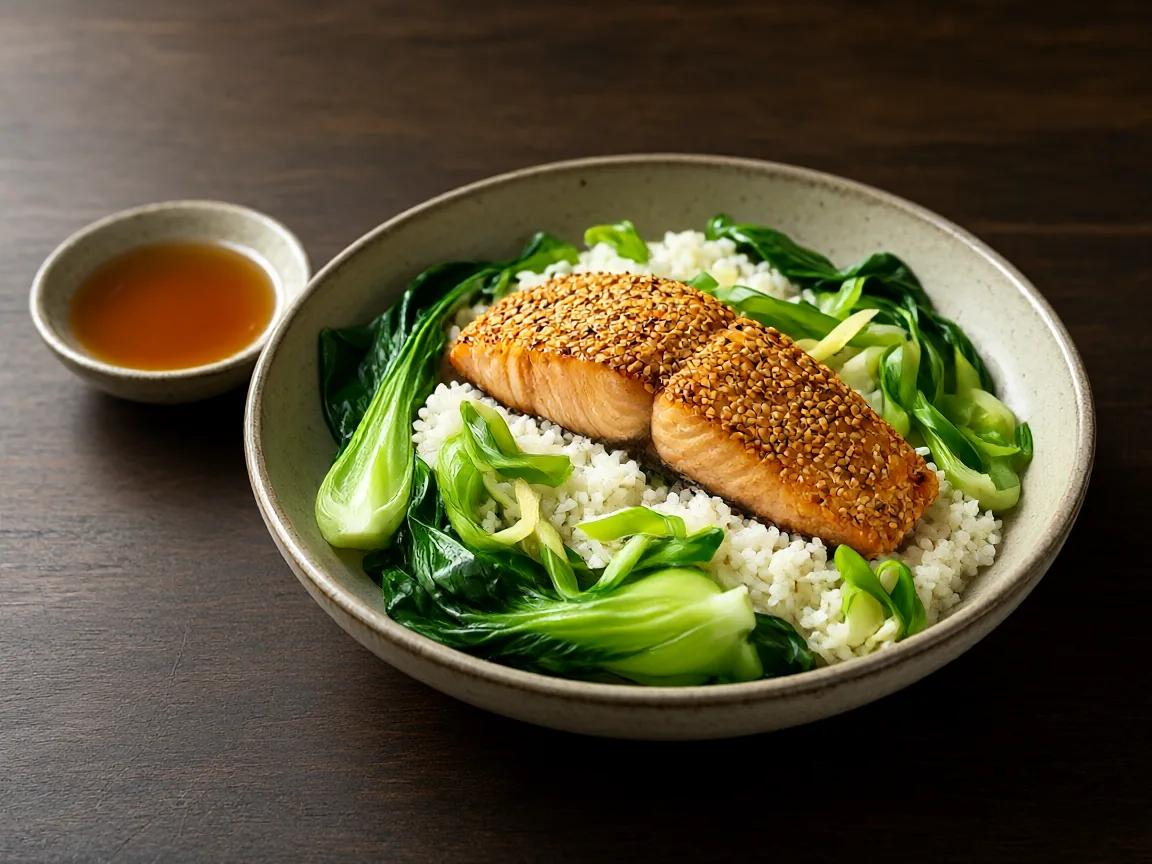
For a bowl with a softer texture, pair roasted or pan-seared salmon with cauliflower rice, bok choy, and a lime-sesame dressing. Use one salmon fillet per person, two cups of cauliflower rice per serving, baby bok choy or spinach, and a topping of scallions, cilantro, and sesame seeds. The dressing can be mixed from lime juice, tamari, grated ginger, a few drops of sesame oil, and water to loosen it.
Season the salmon with salt, pepper, and a little grated ginger. Cook it skin-side down in a covered skillet or roast it until the center flakes easily. While it cooks, sauté the cauliflower rice in a separate pan with a teaspoon of oil. Keep the heat moderately high so excess moisture can escape. Cauliflower rice becomes watery when covered for too long, so stir it uncovered and stop when it is tender with a slight bite.
Wilt the bok choy or spinach in the same pan used for the cauliflower rice after the rice is removed. Build the bowl with cauliflower rice first, then the greens and salmon. Drizzle the dressing only over the serving portion. This keeps leftovers from becoming wet and allows you to adjust the sauce for each person.
Recipe 3: Beef lettuce cups with cucumber and herbs
Lettuce cups are useful when you want a handheld meal without tortillas or rice. For two servings, use 12 ounces of ground beef or thinly chopped steak, butter lettuce leaves, half a cucumber, scallions, cilantro, and optional mint. Cook the beef with garlic, ginger, and a small amount of tamari. Add rice vinegar near the end so the flavor stays bright. Serve with a topping made from cucumber, herbs, lime juice, and a pinch of salt.
Cook the beef until the edges become browned rather than gray. If there is excess fat, spoon away only what you do not want; a small amount carries the aromatics and prevents the filling from feeling dry. Let the beef cool for a minute before putting it into the lettuce so the leaves stay crisp. Use two or three leaves for a serving and keep any sauce in a small bowl for dipping.
For a nutty topping, add one teaspoon of chopped peanuts per serving and count them in the meal estimate. Crushed pork rinds can add crunch, but they are not necessary. Shredded daikon, bean sprouts, or a few pickled carrots can provide texture if they fit your carbohydrate target.
Recipe 4: Coconut lime shrimp with vegetables
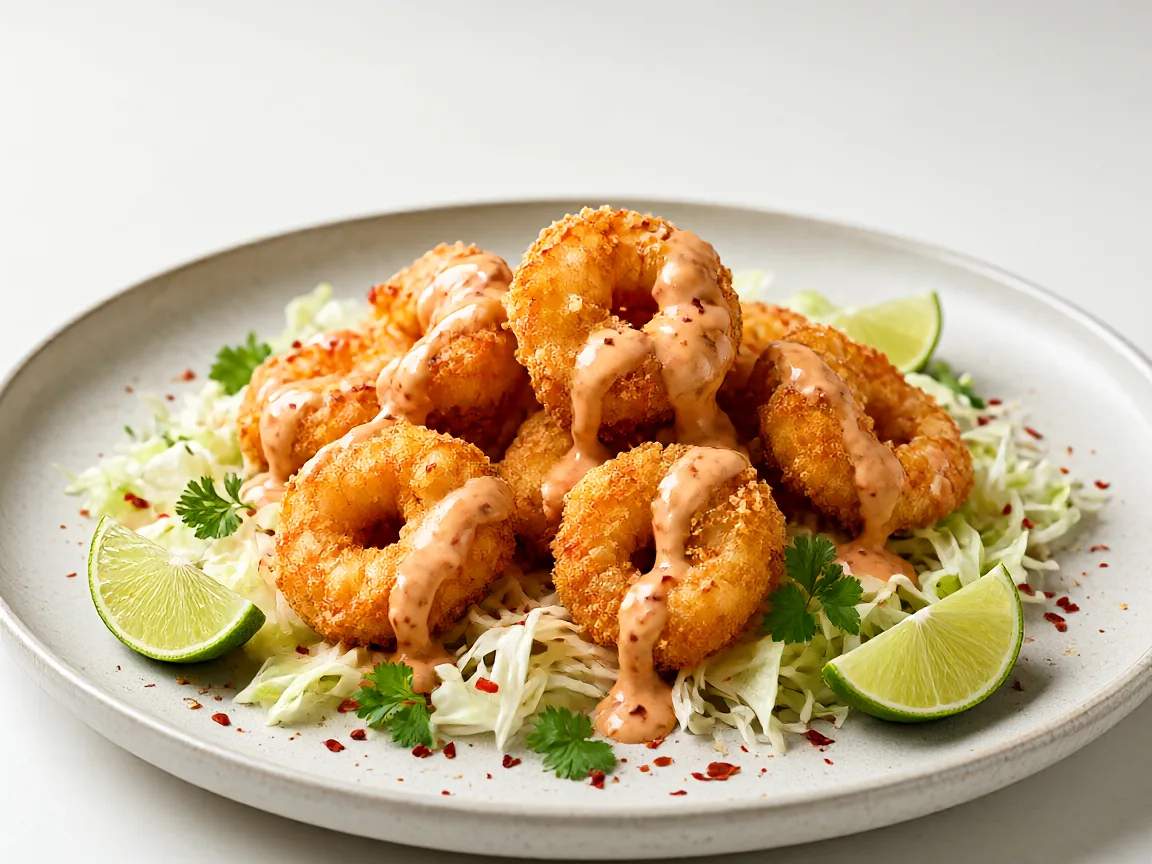
Coconut milk can make a fast shrimp dish feel substantial, but the amount matters because coconut products vary in carbohydrate and energy. Use unsweetened full-fat coconut milk and measure it. For two servings, prepare 12 ounces of peeled shrimp, one cup of sliced zucchini, one cup of mushrooms, one cup of chopped bok choy, garlic, ginger, lime zest, and about one-half cup of coconut milk. Add chili and cilantro at the end.
Sauté the mushrooms first so they brown instead of releasing all their water into the sauce. Add garlic, ginger, zucchini, and bok choy, then pour in the coconut milk. Simmer gently until the vegetables are almost tender. Add the shrimp last and cook just until they turn opaque and curl. Overcooked shrimp become firm and dry, so remove the pan from the heat as soon as they are done.
Finish with lime juice, zest, cilantro, and a small amount of fish sauce if desired. Taste before adding more salt because fish sauce and tamari are both concentrated. Serve the shrimp over cauliflower rice or alongside extra greens. If you prefer a Thai-style profile, add a small amount of lemongrass or fresh basil rather than a sweet bottled curry sauce.
How to build a lower-carb sauce
A dependable sauce can be made with five elements: a savory base, acid, aromatics, a little fat, and water or broth. A simple stir-fry version is tamari, rice vinegar, ginger, garlic, sesame oil, and water. A fresh dipping sauce can use lime juice, fish sauce, chili, herbs, and water. A creamy version can combine unsweetened coconut milk with lime, ginger, and a measured amount of curry paste.
Thickening is where many sauces pick up unnecessary starch. Instead of cornstarch, reduce the sauce briefly or use a small amount of xanthan gum only if you are familiar with it. The sauce does not need to be thick to cling to vegetables. A glossy, reduced sauce used in a small quantity often tastes more intense than a large amount of watery sauce.
Be careful with sweeteners. A small amount of a low- or no-sugar sweetener may balance vinegar or chili, but sweetness should not be the only flavor. Add acid gradually and taste. If the dish tastes flat, it may need lime, vinegar, salt, or aromatics rather than more sweetener.
Starch substitutes and cooking tips
Cauliflower rice cooks best in a broad pan with enough space for steam to escape. If using frozen cauliflower rice, cook it until the ice has evaporated before adding sauce. Shredded cabbage can be stir-fried, roasted, or briefly salted and squeezed for a slaw. Zucchini noodles should be added at the end and cooked for only a few minutes. Shirataki noodles need to be rinsed and dry-fried so their liquid does not dilute the seasoning.
If you want a crisp coating, avoid automatically reaching for flour. A thin layer of egg and crushed pork rinds, almond meal, or finely chopped nuts can work for certain proteins, but these ingredients still add energy and may burn quickly. Use a moderate coating, cook on a hot surface, and check the portion rather than treating the coating as unlimited.
For more appliance-specific ideas, compare the cooking approach with these air fryer low-carb recipes. An air fryer can brown chicken, shrimp, and vegetables with less oil, but sauces are usually better added after cooking so they do not scorch.
Nutrition and portion planning
Estimate the carbohydrate from the vegetables, coconut milk, sauces, nuts, and any sweetener. Meat, fish, and eggs contribute little carbohydrate but still contribute calories and protein. Divide the recipe into the number of servings stated rather than judging the serving by the size of the pan. A large bowl can still be energy-dense if it contains coconut milk, oil, nuts, and a generous sauce.
When using packaged sauces, record the serving size from the label. A recipe that uses two tablespoons of tamari may have a different sodium level from one made with a sweetened bottled marinade. If you are managing blood glucose, use the nutrition information from the exact ingredients you buy and observe how the full meal affects you. Individual responses can vary.
Protein and vegetables are useful anchors for a lower-carb meal. Add the sauce and garnish intentionally, then stop when the portion is satisfying. If the meal is not filling, increase non-starchy vegetables or protein before adding more oil, nuts, or sauce. This keeps the dish flavorful while making weight-management portions easier to repeat.
For another ingredient-focused collection, see these low-carb almond meal recipes. Almond meal can add crunch to a coating or topping, but it should be measured just like any other calorie-dense ingredient.
Storage and meal preparation
Store cooked protein and vegetables separately from fresh herbs and sauce when possible. Most cooked dishes keep for about three days in a sealed container in the refrigerator, but seafood is best used sooner and chilled promptly. Reheat gently so shrimp do not become rubbery and vegetables do not turn watery. Add fresh lime, scallions, or cilantro after reheating to restore brightness.
Cauliflower rice can be cooked in advance and reheated in a wide skillet. Keep it uncovered for part of the reheating time so excess moisture can escape. Lettuce cups should be assembled just before eating. Sauces with coconut milk may separate when chilled; stir them while reheating over low heat and add a splash of water if needed.
For weekly preparation, wash and dry herbs, slice cabbage, portion protein, and mix one small jar of sauce. Do not pre-mix delicate herbs into a sauce several days ahead because their flavor can fade. Keeping the components separate also lets you serve the same base in a bowl, lettuce cups, or a salad without making three different meals.
Common problems and fixes
- Watery stir-fry: use a wider pan, cook vegetables in batches, and add sauce only after excess moisture has evaporated.
- Flat flavor: add a small amount of acid, fresh ginger, chili, or herbs before adding more salt.
- Too salty: dilute with unsalted vegetables or broth and balance with lime or vinegar; do not simply add sweetener.
- Soggy cauliflower rice: cook it uncovered and avoid adding liquid until the rice is nearly tender.
- Dry protein: slice it thinly, avoid overcooking, and finish with a measured sauce after removing it from high heat.
- Sauce too sweet: replace part of the bottled sauce with tamari, vinegar, lime, or broth and reduce the amount next time.
Change one variable at a time when adjusting a recipe. If you add more vegetables, the sauce may need a little more savory seasoning, but not necessarily more oil or sweetener. Keep notes on the protein weight, vegetable amount, and sauce quantity so you can repeat the version that works for your household.
How these recipes fit a low-carb routine
The low-carb recipes hub can help you rotate these meals with other proteins, vegetables, and cooking methods. Variety matters because a routine built on one “perfect” meal is harder to maintain. Keep the basic formula—protein, vegetables, aromatics, measured sauce—and change the herbs or seasoning profile.
If you want a bread component for a meal, consider portioning it separately rather than automatically serving it with a saucy bowl. This almond meal bread keto guide offers a different texture and can be used for a small open-faced serving. The best choice depends on the rest of the meal and your individual carbohydrate target.
FAQ
Are all Asian recipes low carb?
No. Asian cuisines include rice, noodles, dumplings, sweet sauces, and many breaded or fried foods. A recipe becomes lower in carbohydrate by changing the starch portion, checking the sauce, and using non-starchy vegetables while respecting the original flavor structure.
What can I use instead of soy sauce?
Tamari is a common alternative, while coconut aminos are another option with a sweeter flavor. Fish sauce, miso, or a small amount of broth can contribute savoriness. Check labels and adjust salt gradually because these products vary in strength.
Can I use regular curry paste?
Usually, but read the label because some curry pastes contain sugar. Measure the paste and balance it with unsweetened coconut milk, lime, and herbs. The paste is concentrated, so a small amount can be enough.
What is the best rice substitute?
Cauliflower rice is the most versatile for bowls and stir-fries, but shredded cabbage, mushrooms, or extra greens may suit the dish better. Choose the substitute that matches the sauce and cooking time rather than forcing every recipe to use cauliflower.
How do I keep stir-fry vegetables crisp?
Cut vegetables evenly, heat the pan well, avoid overcrowding, and cook dense vegetables before delicate greens. Add sauce at the end and serve promptly. For meal prep, slightly undercook the vegetables so they do not become soft during reheating.
Low carb Asian recipes are most successful when the starch is replaced with a deliberate vegetable base and the sauce is treated as a measured ingredient. Build flavor with garlic, ginger, herbs, acid, chili, and toasted aromatics; cook protein quickly; keep vegetables crisp; and portion calorie-dense toppings. With those habits, bowls, lettuce cups, stir-fries, and coconut-based dishes can stay practical, colorful, and satisfying within a lower-carbohydrate meal plan.