Is Arnold’s keto bread a good fit for a low-carb plan? The answer depends on the exact product, serving size, and your daily carbohydrate target. Bread formulas can change by country, package size, and product line, so the front-of-package phrase “keto” should not replace reading the nutrition label. A single slice may fit one person’s plan while two slices, a sweet spread, and a starchy filling may use much more carbohydrate than expected.
This guide explains how to evaluate Arnold’s keto bread in a practical way. It covers the label, net-carb math, serving portions, texture and storage, sandwich combinations, common ingredients to watch, and what to do if a packaged keto bread does not suit you. The goal is not to make a blanket claim about one brand. It is to give you a repeatable method for checking the loaf in front of you.
Start with the exact package label
First identify the precise product name and serving size. A brand may sell more than one low-carb or keto-style loaf, and the nutrition panel may differ between varieties. Look at the total carbohydrate, dietary fiber, added sugar, protein, and calories per slice. Also check the number of slices in the package because a smaller slice can make the per-serving numbers look different from a larger slice.
Next read the ingredient list. Keto-style breads often use combinations of wheat protein, fiber ingredients, seeds, nut flours, oils, gums, and sweeteners. Some people tolerate these ingredients well, while others notice digestive discomfort or a texture they do not enjoy. If you have a wheat, gluten, seed, soy, or nut allergy, do not assume that a low-carbohydrate claim makes the product safe for you.
Finally, check the label every time you switch products. Packaging and formulas can change, and the product available in one market may not match a product with a similar name elsewhere. Keep the package or take a photo of the panel if you track portions closely.
How to estimate net carbohydrates
If your eating plan uses net carbohydrates, a common calculation is total carbohydrate minus dietary fiber. Use the values shown on the package and keep the same method for every bread you compare. Some people also consider the type and amount of sugar alcohol or other specialty sweetener, but these ingredients do not affect everyone in the same way. If the label includes them, record the full nutrition panel rather than relying on a marketing number.
Use the actual number of slices you plan to eat. One slice with eggs is different from two slices used for a sandwich plus a sauce. If you toast the bread, the carbohydrate does not disappear; only the water content and texture change. If you add butter, cheese, avocado, deli meat, or a spread, calculate those ingredients as part of the meal.
A simple tracking example is to write the slice value on a meal note, add the filling, and record the total before eating. This takes less time than trying to estimate after assembling a large sandwich. It also shows whether the bread is genuinely useful for your plan or whether it encourages portions that are too large.
What makes packaged keto bread different?
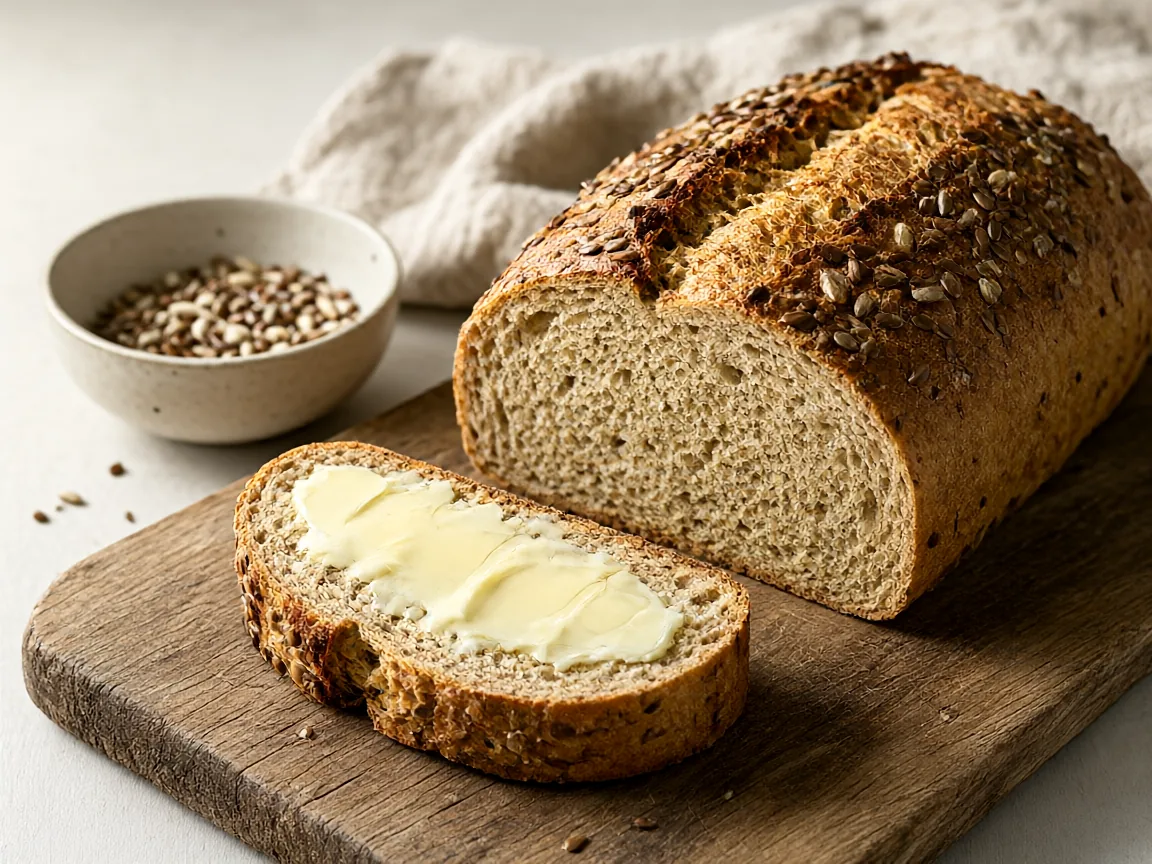
Regular wheat bread gets much of its structure from a gluten network and starch. Keto-style bread must create a similar sliceable texture with a different balance of proteins, fibers, fats, and binders. That can produce a loaf that is more compact, springy, dry, or moist than conventional bread.
Fiber-rich formulas may feel filling, but a large serving can be uncomfortable for people who are not used to concentrated fiber. Ingredients such as psyllium, inulin, resistant starch, or certain gums may affect digestion. Start with one slice and drink enough fluid according to your normal needs. If a product causes persistent discomfort, stop using it and choose a different bread or meal base.
Some loaves taste better toasted, while others are soft enough for a cold sandwich. Test the bread in the way you plan to use it. A slice that works for breakfast may fall apart under a wet filling. A short toast can improve flavor and structure, but it may not solve a loaf that is too dry.
Practical serving ideas
Breakfast toast
Toast one measured slice and top it with eggs, smoked salmon, cottage cheese, or avocado. Add salt, pepper, herbs, or a small portion of tomato if it fits your plan. Protein makes the toast more satisfying than using the bread with a sweet spread alone. If you add nut butter, measure it because the calories and carbohydrate can rise quickly even when the bread is low in carbohydrate.
Cold sandwich
Use a dry or lightly toasted slice with turkey, chicken, tuna, lettuce, cucumber, and a measured dressing. Wet ingredients should be drained so the bread does not soften too quickly. If the loaf is delicate, build a smaller open-faced sandwich rather than forcing two large slices to hold a heavy filling.
Grilled sandwich
Low-carb bread can work with cheese, cooked vegetables, or leftover meat in a skillet. Use moderate heat so the outside browns before the interior dries. Butter or oil adds flavor but should be counted if you are tracking energy intake. A small grilled sandwich can be more satisfying than a large cold sandwich because the toasted texture slows down the meal.
For a more homemade bread texture, compare the packaged loaf with these almond meal bread keto ideas. The recipes use different ingredient ratios, but the comparison can help you decide whether you prefer a springy packaged slice or a denser homemade loaf.
Ingredients to understand before buying
Wheat protein may help a loaf hold together, but it is not suitable for people with celiac disease or wheat allergy. Seeds and nut flours add flavor and fat, but they can create allergy concerns. Psyllium and other fibers can improve the crumb but may change digestion. Oils help with tenderness, while gums or starch-like ingredients can help bind moisture.
Sweeteners may appear in a small amount to balance flavor even when the bread is not meant to taste sweet. Check added sugar and total carbohydrate rather than judging by taste. A bread with a neutral flavor is not necessarily lower in carbohydrate than a slightly sweet bread.
If you are avoiding a particular ingredient, compare the full list rather than searching only for one word on the front of the package. For example, a loaf may be nut-free but contain seeds, or it may be low in carbohydrate but not gluten-free. Your dietary reason for choosing the bread should guide the label review.
Storage and freshness
Follow the package storage directions, especially if the bread is sold refrigerated or frozen. Many low-carb loaves keep their texture better when sealed tightly because concentrated fiber can make the slices dry. If the bread is refrigerated, let a slice warm briefly or toast it before eating so the crumb is less firm.
Freeze slices individually if you will not finish the loaf soon. Separate them with parchment and place them in a sealed freezer bag. Toast directly from frozen if the product allows it, or thaw in the refrigerator. Avoid repeated thawing and refreezing because it can create a dry or crumbly texture.
Inspect the bread for mold, unusual odors, or a sticky surface. A low-carb label does not change normal food-safety principles. When in doubt, discard the affected slices rather than trying to remove only the visible area.
Does Arnold’s keto bread work for weight management?
A lower-carbohydrate bread can make a familiar meal easier to plan, but it is not automatically a weight-loss food. Calories, appetite, portion size, protein, vegetables, and the total pattern of the day still matter. Some people find that one slice helps them stay consistent. Others find that bread, even low-carb bread, encourages extra spreads and larger sandwiches.
Pay attention to hunger and satisfaction after eating it. If one slice with protein and vegetables is satisfying, the bread may be useful. If two or three slices are needed to feel full, a plate built around eggs, meat, fish, vegetables, or another protein source may work better. The best product is the one that fits both your carbohydrate target and your eating behavior.
What to do if the loaf is too dry or soft
Toast a dry slice lightly and add a moist but measured filling such as egg salad, tuna, or avocado. Avoid overheating, which can make the edges hard. If the bread is too soft, toast it longer at a moderate temperature or use it as an open-faced base so the filling does not create too much pressure.
Crumbly slices are easier to handle when cut from a chilled loaf and toasted after slicing. If the product crumbles in every use, it may not suit your intended meals. Try it with a smaller filling or choose a bread formulated with a different binder rather than forcing it into a large sandwich.
For a bread recipe you can adjust from the beginning, compare the loaf with this almond flour low-carb bread recipe. Homemade bread takes more preparation, but you can control the flour, seeds, salt, and slice size.
Alternatives to packaged keto bread
Some meals do not need bread at all. Use lettuce leaves, cabbage leaves, cucumber rounds, bell pepper halves, or a bowl of vegetables as the base. For a warm breakfast, eggs with vegetables may provide more protein and volume than toast. For a sandwich-style lunch, a salad bowl can keep the same filling while reducing the need to manage a fragile slice.
Almond flour tortillas can also be useful for wraps, although their texture is different. They are best warmed gently and filled with moderate amounts. If you want to experiment with a homemade alternative, the almond flour tortillas keto guide explains parchment rolling, skillet temperature, and storage.
For a flour-based meal idea that is not a sandwich, browse the low-carb recipes hub. A rotation of bread, wraps, bowls, and vegetable-based meals can make a low-carb plan feel less dependent on one packaged product.
FAQ
Is Arnold’s keto bread truly keto?
Check the exact package label, serving size, total carbohydrate, fiber, and ingredients. Product formulas and markets can differ. A slice may fit your plan, but the answer should be based on your own daily target rather than the front label alone.
How many slices can I eat?
There is no universal number. Start with one slice, include the filling, and compare the total with your daily carbohydrate and energy goals. If two slices leave little room for vegetables or protein, use one slice or choose a different meal base.
Does toasting reduce carbs?
No. Toasting removes moisture and changes texture, but it does not remove the carbohydrate in the slice. Use the same label values before and after toasting.
Can I freeze the bread?
Usually yes, if the package permits it. Separate slices, seal them well, and toast or thaw only the amount you need. Repeated thawing can make the loaf dry.
Is keto bread gluten-free?
Not necessarily. Low carbohydrate and gluten-free are different claims. Read the ingredients and allergen statement carefully, especially if you have celiac disease or a wheat allergy.
Arnold’s keto bread can be useful when the exact label fits your carbohydrate target, the ingredients suit your dietary needs, and the portion supports your appetite. Treat it as one measured part of a meal, pair it with protein and vegetables, store it carefully, and compare it with wraps or homemade bread when the packaged texture does not work for you.