Is applesauce keto? The most accurate answer is that traditional applesauce is usually too concentrated in natural sugar for a strict ketogenic plan, while a small, measured portion of an unsweetened applesauce-style recipe may fit some lower-carb eating patterns. Apples provide the flavor and moisture, but they also provide carbohydrate. The final choice depends on the apple quantity, the serving size, and the rest of the meal.
This guide shows how to make a simple applesauce keto cooks can evaluate honestly. Instead of treating applesauce as a free condiment, the method uses a modest amount of apple, lemon, cinnamon, and water to create a spoonable texture. It also explains how to use the sauce in baking and savory meals, how to reduce added sugar, how to estimate net carbs, and how to store it safely.
Why regular applesauce can be high in carbohydrate
Apples contain natural sugar, and applesauce removes much of the chewing and volume that would normally slow down eating a whole apple. A cup of applesauce may contain the equivalent of more than one apple, and sweetened versions add sugar, syrup, or fruit concentrate. The result is easy to eat quickly and difficult to portion casually.
Cooking an apple does not remove its carbohydrate. It changes the texture and concentrates the flavor. That is why a lower-carb approach should begin with a measured amount of fruit rather than relying on the word “unsweetened.” Unsweetened applesauce has no added sugar, but it can still contain a meaningful amount of natural apple carbohydrate.
Ingredients for a small batch
- 2 small firm apples, peeled if desired and cut into small pieces
- 1/3 cup water
- 1 tablespoon lemon juice
- 1/2 teaspoon cinnamon
- 1/4 teaspoon vanilla extract, optional
- Pinch of salt
- Low-sugar sweetener to taste, optional
- Optional: a thin strip of lemon or orange peel for aroma
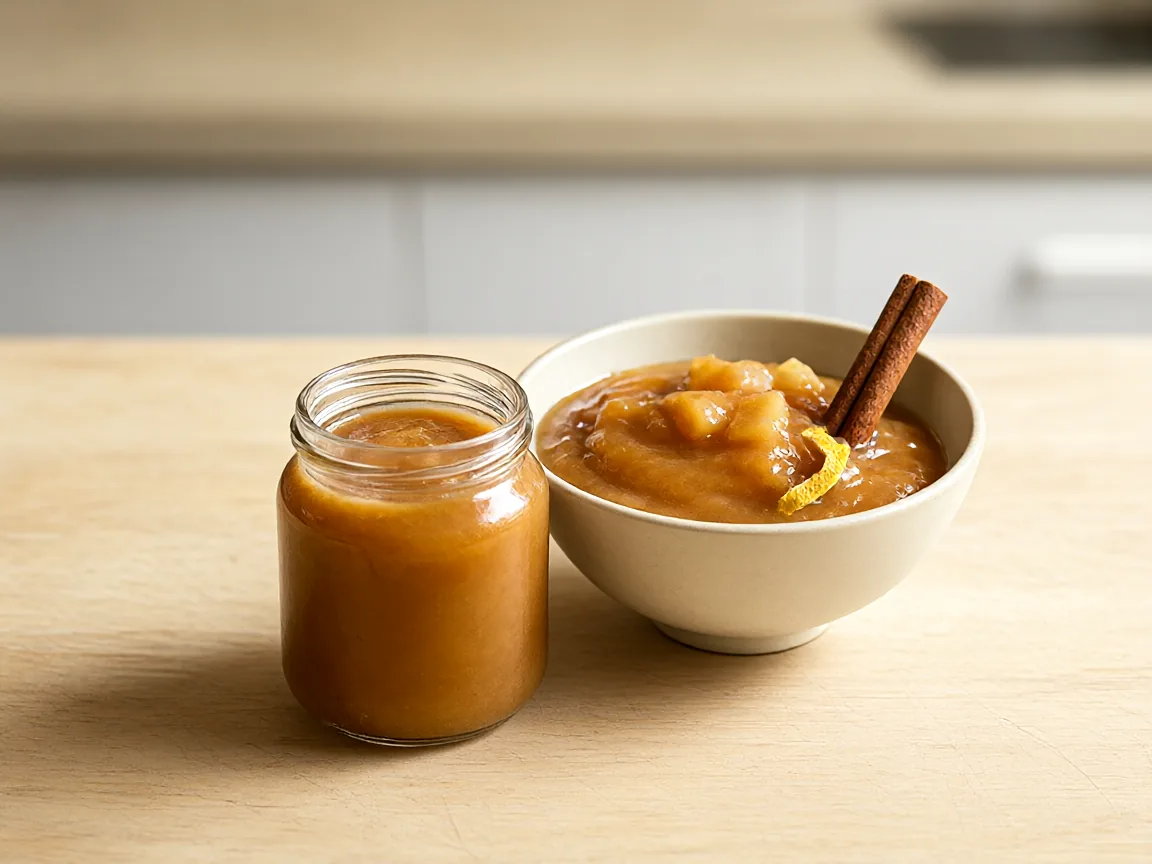
Choose apples that soften without becoming watery. A firm apple gives a brighter flavor and leaves you with more control over the final consistency. If you are following a strict carbohydrate limit, use one small apple for a very small batch and divide the result into clearly measured portions. The recipe is intentionally flexible because different plans allow different amounts of fruit.
How to make the applesauce
1. Cut the apple evenly
Remove the core and cut the apple into small, similar-sized pieces. Small pieces cook faster and create a smoother sauce, while larger pieces give a chunky result. Leave the peel on if you like extra texture, but remove it if you want a very smooth puree.
2. Start a gentle simmer
Place the apple pieces, water, lemon juice, cinnamon, salt, and peel if using in a small saucepan. Bring the mixture to a gentle simmer over medium heat, then reduce the heat to low. Cover the pan and cook for 12 to 18 minutes, stirring occasionally. The apple should be tender enough to mash with the back of a spoon.
3. Adjust the texture
For chunky applesauce, mash only a few pieces and leave the rest intact. For a smooth sauce, remove the peel and use an immersion blender or food processor. Add water one teaspoon at a time if the mixture is too thick. If it is too thin, simmer uncovered for a few minutes so excess water can evaporate.
4. Finish after cooling slightly
Remove the pan from the heat and stir in vanilla if using. Taste when the mixture is warm rather than boiling, then decide whether you need a small amount of sweetener. The sauce will taste slightly different once chilled, and the cinnamon becomes more noticeable as it rests.
How to keep an applesauce-style recipe lower in carbohydrate
The most effective change is using less apple and keeping the serving visible. Adding more water, lemon, cinnamon, and vanilla can increase volume and aroma without adding more fruit sugar. Water does not make the sauce nutritionally free, but it can help one small amount feel more like a topping or ingredient.
Avoid brown sugar, honey, maple syrup, agave, dates, and sweetened fruit concentrates. These ingredients add sugar without solving the main texture problem. If the apple flavor seems too sharp, use vanilla, cinnamon, a pinch of salt, or a measured low-sugar sweetener rather than pouring in syrup.
Do not assume that a packaged “no sugar added” applesauce is low-carb. Read the total carbohydrate and serving size on the label. A single snack cup may still contain enough carbohydrate to matter on a strict plan. If you use a packaged product for convenience, measure the portion and count it like any other fruit ingredient.
Chunky or smooth: choosing the best texture
Smooth applesauce works well as a moist ingredient in baked goods, a topping for plain yogurt, or a small sauce for pork. Chunky applesauce feels more like a fruit side and may be easier to eat slowly. If you want the flavor without a large fruit portion, make a smooth sauce with fewer apple pieces and use a teaspoon or tablespoon as a flavor accent.
Texture also affects perceived sweetness. A smooth puree spreads across the tongue and can taste sweeter than the same amount of chunky fruit. If you are reducing sweetener, try blending the sauce before deciding that it needs more sugar. Cinnamon and vanilla can also make a small portion feel more finished.
Ways to use applesauce in a low-carb kitchen
As a yogurt topping
Add one measured spoonful to plain Greek yogurt with cinnamon and chopped nuts. The yogurt adds protein and tang, while the applesauce provides a small amount of fruit flavor. Keep granola, sweetened coconut, and syrup out unless they have been included in your calculation.
In almond flour baking
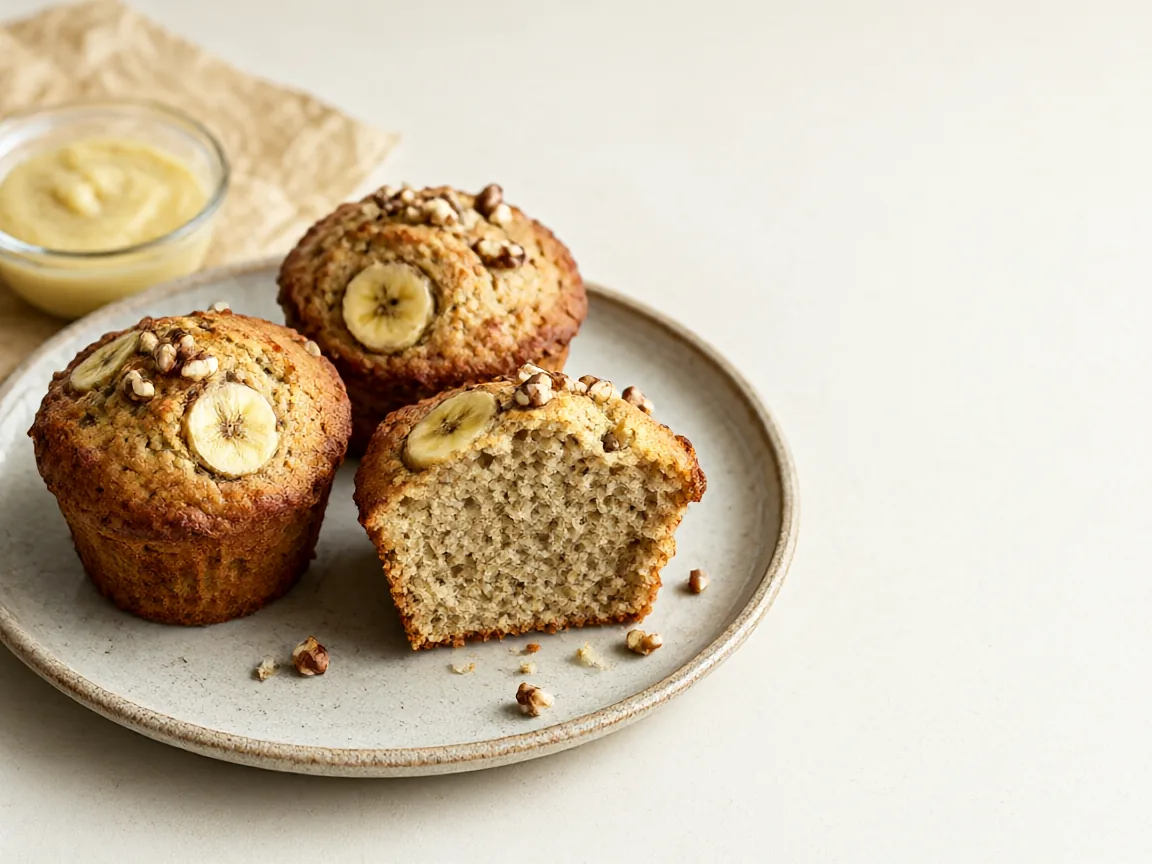
A small amount of applesauce can add moisture to an almond flour cake or muffin, but it also adds natural sugar and water. Reduce another liquid ingredient if you add it to a recipe, and do not replace butter or eggs without testing the formula. A recipe designed for a dry almond flour batter may become dense if too much puree is added.
For a drier, crisp-textured alternative, compare the sauce with these almond flour keto cookies. Cookies need controlled moisture so they can hold their shape, while applesauce is most useful when a recipe benefits from softness.
With savory food
Use a small spoonful alongside roasted pork, chicken, or a simple breakfast plate. Add mustard, vinegar, or fresh herbs if you want the sauce to move in a savory direction. The fruit flavor can balance salty foods, but the sauce should remain a measured condiment rather than replacing vegetables or protein.
Applesauce as a baking substitute
Applesauce is sometimes used to replace oil or butter in baking, but that substitution is not automatically low-carb. It lowers fat while adding fruit carbohydrate and water. In a recipe already built around almond flour, replacing all the fat may create a dense or rubbery crumb. Start by replacing only a small portion and bake a test batch.
If the recipe contains almond flour, the water from applesauce can change how the flour hydrates. You may need a longer rest before baking, a smaller amount of other liquid, or a little extra dry ingredient. Document the change because different brands of almond flour absorb moisture differently.
For a bread-like almond flour formula, the almond meal bread keto guide shows why moisture and structure need to be balanced. Applesauce can soften a loaf, but too much can keep the center from setting.
Net-carb and portion planning
To estimate the carbohydrate of homemade applesauce, count the apples and any sweetener or added fruit. Water, lemon juice in a small amount, cinnamon, and vanilla contribute little compared with the fruit, but read the labels for any packaged flavoring. Divide the total by the number of equal portions. A tablespoon and a half-cup serving are nutritionally different even when they come from the same batch.
If you track net carbohydrates, subtract fiber according to the method you normally use. Keep the calculation consistent with your other foods. A person following a flexible low-carb plan may have room for a small fruit serving, while someone following a strict ketogenic or medically prescribed plan may choose to avoid applesauce altogether.
Pairing matters. Applesauce served with plain yogurt, nuts, or a protein-focused meal may be easier to manage than applesauce combined with sweet cereal, toast, syrup, and a dessert. Count the whole plate rather than giving the sauce a separate “healthy” exemption.
Storage and food safety
Cool the applesauce promptly and transfer it to a clean airtight container. Refrigerate it and use it within three to four days. Do not leave the container at room temperature for a long period, especially if it has been mixed with dairy or served with used utensils.
For longer storage, freeze the sauce in small portions. Silicone trays or small freezer containers make it easy to thaw only what you need. Label the date and leave a little space for expansion. Thaw in the refrigerator or reheat gently on the stove, stirring until smooth.
Discard the sauce if it develops an off odor, mold, unusual bubbling, or a texture that suggests spoilage. Refrigeration slows spoilage but does not make the sauce shelf-stable.
Common mistakes and fixes
- The sauce is too sweet: dilute with unsweetened water, add lemon, or use it in a larger batch of plain yogurt rather than adding more fruit.
- The sauce is watery: simmer uncovered briefly or blend in a very small amount of chia, then allow it to cool and thicken.
- The flavor is flat: add cinnamon, vanilla, lemon zest, or a pinch of salt before increasing sweetener.
- The sauce is bitter: reduce the lemon peel or cinnamon and avoid cooking black tea or strong spices in the pan.
- The apples do not soften: cut them smaller, add a tablespoon of water, and cook them covered over low heat.
Make a small test batch when changing apple varieties or sweeteners. The water content and acidity can vary, so one formula may need a slightly different cooking time in another kitchen.
How it fits a low-carb recipe collection
Applesauce is most useful in a low-carb collection as a measured fruit accent, moisture ingredient, or savory condiment. The main low-carb recipes hub can help you pair a small portion with meals that have clear protein and vegetable components. If you want a baked fruit dessert, compare it with this low carb apple crumble, where the fruit amount and almond topping are calculated separately.
For other almond flour uses, browse these low-carb almond meal recipes. Keeping the fruit sauce, baked dessert, and almond-based snack as separate measured recipes makes portion planning easier.
FAQ
Is unsweetened applesauce keto?
Unsweetened means no added sugar, not no carbohydrate. Apples still contain natural sugar. A small measured amount may fit some low-carb plans, but a strict ketogenic plan may require a different fruit or no applesauce. Check the portion and your daily target.
Can I use applesauce instead of sugar?
It can add moisture and some sweetness, but it does not replace sugar in the same way. It adds water and natural fruit carbohydrate, so the recipe may need changes to flour, fat, and baking time.
Can I make applesauce from green apples?
Yes. Green apples can provide more acidity and a sharper flavor. Taste the cooked sauce before adding sweetener, and use vanilla or cinnamon to round out the result.
Can I freeze homemade applesauce?
Yes. Freeze it in small labeled portions, leave room for expansion, and thaw it in the refrigerator. Stir after thawing because the texture may separate slightly.
What is the best serving size?
There is no universal serving size. Start with one tablespoon or another measured portion, calculate the carbohydrate from your own recipe, and adjust according to your plan. A smaller portion works well as a flavor accent in yogurt or alongside savory food.
Applesauce can fit a thoughtful low-carb kitchen when it is treated as measured fruit rather than a sugar-free food. Use a modest amount of apple, build flavor with cinnamon and lemon, avoid added syrups, calculate the batch, and store it safely. The result is a flexible sauce that can add moisture and seasonal flavor without hiding the carbohydrate that comes from apples.