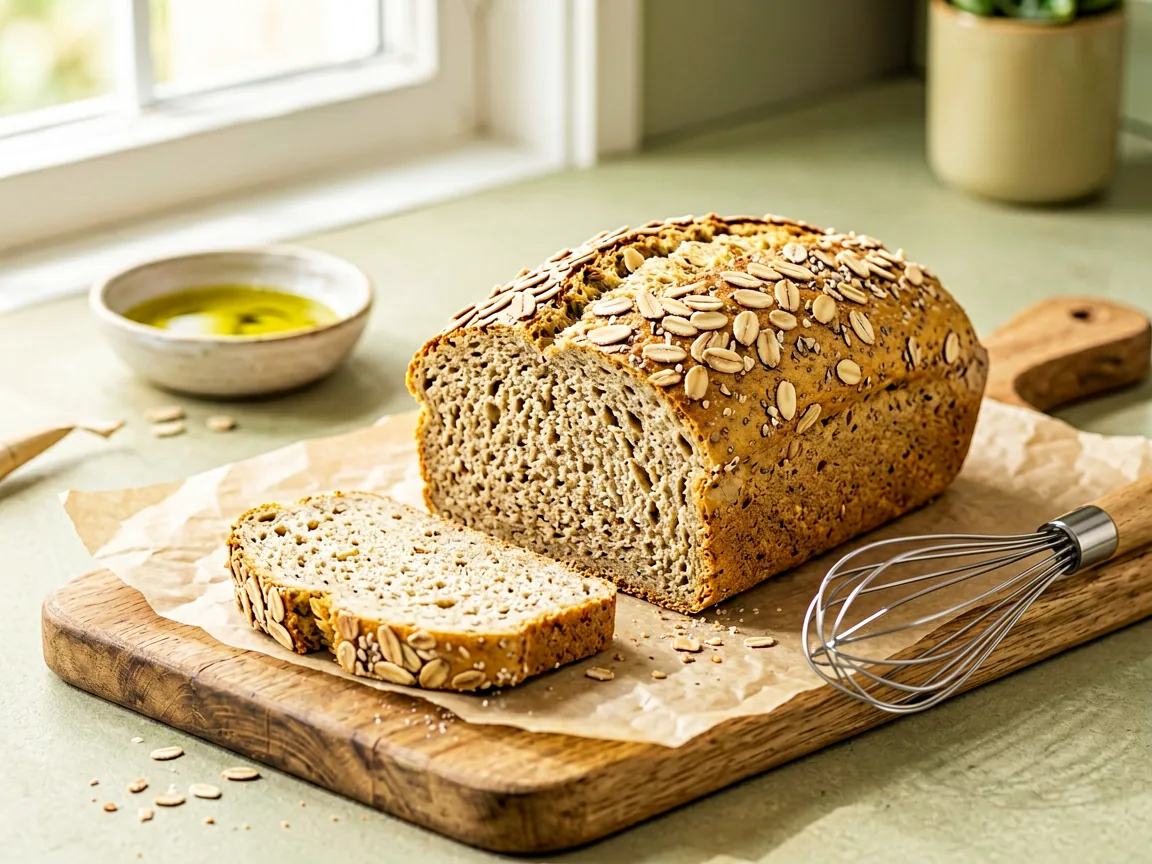
Almond meal bread keto works best when you treat it as a small, moist quick bread rather than a direct wheat-bread copy. Almond meal brings a tender crumb and a mild nutty flavor, but its natural oils and heavier texture mean the loaf needs enough structure, careful moisture control, and time to cool before slicing. The method below makes one small loaf or eight thin slices. It is useful for toast, open sandwiches, and meal-prep portions, while still leaving room to adjust the texture for your pan, oven, and preferred ingredients.
Quick answer
For a dependable almond meal bread keto recipe, use finely ground almond meal, eggs, a small amount of a structure-building dry ingredient, baking powder, salt, and a modest amount of oil or melted butter. Whisk the wet ingredients separately, fold the dry ingredients in gently, and bake until the center is set. Let the loaf cool completely before cutting. If the crumb is wet, reduce added liquid or extend the cooling time; if it is dry, reduce the bake slightly or add a tablespoon of yogurt or another suitable moist ingredient.
What this bread is designed to solve
Many low-carb bread attempts fail because the recipe is asked to do too much. A nut-based loaf can provide a sliceable base, but it will not have the elastic chew of wheat gluten. The useful goal is a bread that holds a topping, browns in a toaster, and remains pleasant after storage. Start with the job you need: breakfast toast, a lunch base, a crumb for a savory plate, or a freezer portion. That decision affects slice thickness, seasoning, and whether you want a neutral or savory loaf.
For the broader ingredient context, visit the By ingredient section. The existing low-carb almond meal recipes guide can help you compare this bread with other uses for the same pantry ingredient. These links are intentionally specific so the next step is clear instead of sending every reader to a generic page.
Ingredients for one small loaf
- 1 1/2 cups finely ground almond meal, spooned into the measuring cup and leveled.
- 3 large eggs at room temperature.
- 2 tablespoons melted butter or a neutral oil.
- 1 teaspoon baking powder.
- 1/4 teaspoon fine salt.
- 1 tablespoon plain yogurt or unsweetened dairy-free yogurt if the mixture seems unusually dry.
- Optional savory additions: dried rosemary, black pepper, garlic powder, sesame seeds, or a small amount of grated cheese.
Almond meal and almond flour are related but not identical. Almond flour is usually finer and blanched, while almond meal may include more of the almond skin and can produce a more rustic crumb. Either can work, but do not switch between them without checking the batter. A coarser meal may need a slightly longer rest before baking so it can absorb moisture.
Mixing and baking method
- Heat the oven to 175°C or 350°F. Line a small loaf pan with parchment, leaving enough paper over the long sides to lift the loaf out later.
- Whisk the eggs until the whites and yolks are fully blended. Whisk in the melted butter or oil and the optional yogurt.
- In a second bowl, stir together the almond meal, baking powder, salt, and any dry herbs. Break up visible lumps before adding them to the wet mixture.
- Fold the dry ingredients into the wet mixture just until no dry pockets remain. Do not beat the batter for several minutes; overmixing can make the loaf dense.
- Let the batter stand for five minutes. It should be thick enough to mound slightly but still spread with a spatula. If it is powdery, add the yogurt one teaspoon at a time.
- Scrape the mixture into the pan and smooth the surface. Bake for about 28–38 minutes, depending on pan depth, until the center feels firm and a skewer comes out with a few moist crumbs rather than wet batter.
- Cool in the pan for ten minutes, then lift the loaf onto a rack. Wait until it is fully cool before slicing with a serrated knife.
How to judge texture without guessing
The batter should not look like a pourable cake batter. A thicker mixture gives the almond meal more support and usually makes a loaf that slices more cleanly. On the other hand, a very stiff mixture can bake into a crumbly block. The most useful check is the center: it should spring back gently when pressed. If the outside browns before the center sets, cover the loaf loosely with foil for the final part of baking. If the top is pale but the center is firm, the loaf is ready even without a dark crust.
Letting the bread cool is part of the recipe, not an optional presentation step. Nut-based loaves continue to firm as steam redistributes. Slicing too early can make a properly baked loaf seem underdone because the knife compresses the warm center. If you need bread quickly, bake the batter in small muffin cups instead. Smaller portions set faster and are easier to freeze, although they will have more crust relative to crumb.
Useful substitutions
For a dairy-free version, use a neutral oil and an unsweetened dairy-free yogurt only if the batter needs moisture. For a more savory loaf, add herbs and pepper rather than sweetener. If you use a different leavening product, check whether it already contains salt. Ground flax or another seed meal can change the absorption and may require a small increase in liquid, so test one change at a time. Coconut flour is not a one-for-one substitute for almond meal because it absorbs much more liquid and changes the structure substantially.
If the loaf must be egg-free, choose a recipe designed for that purpose rather than simply removing the eggs. Eggs supply moisture and structure here. An improvised replacement may produce a fragile or gummy center. When adapting any bread for an allergy, confirm the labels of baking powder, yogurt, cheese, and packaged seasonings, and prevent cross-contact in the kitchen.
Serving ideas and portion context
Use thin slices with eggs, fish, chicken, vegetables, or a measured spread. Toasting can improve the edges, but watch closely because almond meal browns faster than wheat bread. A slice can also become a base for a small open sandwich or a side with soup. The carbohydrate content depends on the exact almond meal, serving size, and additions, so use the product label and divide the finished loaf into the number of slices you actually make. “Keto” is a dietary context, not a guarantee that a portion fits every person’s needs.
For an ingredient comparison, the Foods and swaps section is useful when you want to replace a topping or coating. If you are using an appliance instead of a conventional oven, see the By appliance section for method notes. These are adjacent paths, not claims that every substitute will behave identically.
Storage, freezing, and reheating
Cool the loaf completely before storing it. Keep two or three days of slices in an airtight container in the refrigerator, using parchment between slices if they tend to stick. For longer storage, freeze individual slices on a tray first, then transfer them to a sealed freezer bag. Toast or warm from frozen until the center is comfortable to eat. Do not leave a moist homemade loaf at room temperature for an extended period, especially in a warm kitchen. If you notice an unusual smell, visible mold, or unexpected moisture, discard it rather than trying to rescue one slice.
Troubleshooting table
| Result | Likely cause | Next adjustment |
|---|---|---|
| Wet center | Deep pan, excess liquid, or slicing too early | Use a shallower pan, reduce added yogurt, and cool fully. |
| Crumbly slices | Too little binding or an overbaked loaf | Check the egg size, reduce bake time, and slice thicker. |
| Dense texture | Overmixing or too much meal | Fold gently and measure the meal by level cups. |
| Dark edges | Small pan or strong top heat | Lower the rack or cover loosely near the end. |
Frequently asked questions
Can almond meal bread keto be used like sandwich bread?
It can support small open sandwiches and some carefully assembled fillings, but the texture is more tender than wheat bread. Start with thin, fully cooled slices and avoid piling on very wet ingredients. Toasting the slice can add strength and a pleasant edge.
Why did my loaf fall after baking?
A fall can happen when the center has not fully set, the pan is too deep, or the loaf cools in a draft before its structure stabilizes. Check the center rather than relying only on the top color, and allow the loaf to cool on a rack after the first ten minutes.
Is almond meal the same as almond flour?
No. They can sometimes be used in related recipes, but their grind and skin content differ. Finer almond flour usually makes a smoother crumb; almond meal can make a more rustic loaf and may absorb moisture differently.
Does this recipe provide personalized nutrition advice?
No. It is a general cooking guide. Serving needs vary with the rest of the meal, health context, allergies, and the exact ingredients used. Read the site Disclaimer and seek qualified advice for medical or individualized nutrition questions.
Bottom line
A successful almond meal bread keto loaf is built around realistic expectations: a sliceable nut-based bread with a set center, useful browning, and a storage plan. Measure the meal carefully, keep the batter thick but workable, avoid overmixing, and cool before cutting. Once the base is reliable, change only one flavor or texture variable at a time so you learn which version belongs in your regular kitchen rotation.