Low carb Asian sauce is not one fixed recipe. It is a way to build the salty, sour, spicy, aromatic, and savory layers that make Asian-style meals satisfying while keeping added sugar and starch under control. Many sauces are naturally flavorful, but some bottled versions use sugar, syrup, sweetened fruit juice, or starch to create sweetness and thickness. A homemade sauce lets you decide exactly how much of each ingredient goes into the bowl.
The most useful approach is to start with a measured savory base, add acid for brightness, layer in aromatics, and adjust the consistency with water or unsalted broth. You can use the same method for stir-fries, dipping sauces, lettuce cups, grilled meat, fish, vegetables, and cauliflower rice. This guide explains the building blocks, gives several practical formulas, covers substitutions and storage, and shows how to judge the portion when weight management is part of your plan.
Why Asian sauces can be high in carbohydrate
The carbohydrate in an Asian-style sauce usually comes from sweeteners and thickeners rather than from garlic, ginger, chili, or herbs. Teriyaki, sweet chili, hoisin, and some bottled stir-fry sauces may contain sugar, corn syrup, honey, or fruit concentrate. A sauce that looks small on the plate can still contribute a significant amount if it is poured freely over a large serving.
Starch is another consideration. Cornstarch, potato starch, tapioca starch, and flour are often used to make a glossy sauce cling to food. A small amount spread over several servings may be manageable for some people, but a sauce can be thickened without relying on a large starch slurry. Reduction, a small amount of xanthan gum, blended vegetables, or a naturally creamy ingredient can provide body.
Salt is not carbohydrate, but it matters when combining soy sauce, tamari, fish sauce, miso, and stock. Taste after each addition instead of adding all the salty ingredients at once. A good sauce often needs acid, water, or fresh aromatics more than it needs extra salt.
The five-part sauce formula
- Savory base: tamari, soy sauce, fish sauce, miso, unsweetened coconut aminos, or a combination.
- Acid: rice vinegar, lime juice, lemon juice, or a small amount of black vinegar.
- Aromatics: garlic, ginger, scallion, lemongrass, chili, cilantro stems, or shallot.
- Fat or richness: toasted sesame oil, olive oil, unsweetened coconut milk, tahini, or a small amount of peanut butter.
- Liquid and texture: water, unsalted broth, pan juices, or a measured thickener.
You do not need all five parts in equal amounts. A dipping sauce may emphasize acid and fresh herbs, while a coconut curry sauce may emphasize richness and aromatics. Start with a small batch, taste it with the food it will accompany, and only then adjust. Sauce tastes stronger from a spoon than it does after it is spread over meat and vegetables.
Sweetness is optional. If a formula tastes too sharp, add a tiny amount of a suitable low- or no-sugar sweetener, or use a naturally mild ingredient such as unsweetened coconut milk. Add it gradually. The objective is balance, not a dessert-like sauce.
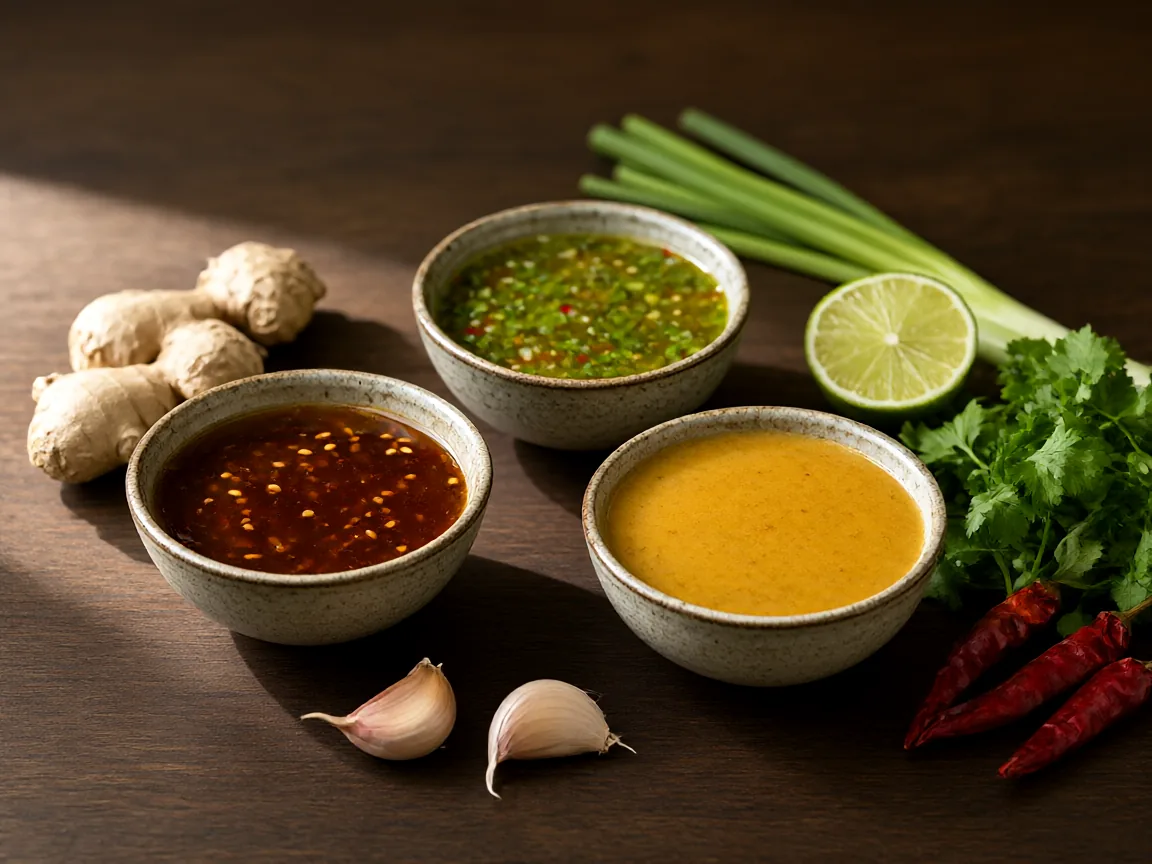
Recipe 1: Sesame ginger stir-fry sauce
This sauce works with chicken, beef, shrimp, mushrooms, cabbage, broccoli, and cauliflower rice. For about four servings, whisk together three tablespoons of reduced-sodium tamari, two tablespoons of rice vinegar, one tablespoon of water, two teaspoons of grated ginger, one small grated garlic clove, one teaspoon of toasted sesame oil, and a pinch of chili flakes. If the sauce is too salty for your ingredients, add another tablespoon of water rather than adding more oil.
Use the sauce near the end of cooking. First brown the protein, then cook the vegetables until they are nearly tender and excess moisture has evaporated. Return the protein to the pan, pour in the sauce, and toss for one or two minutes. A brief reduction helps the sauce coat the ingredients. If you add it while the pan is full of water, the sauce will become thin and the vegetables may soften too much.
For a thicker finish without a large starch slurry, reserve two tablespoons of the sauce and mix in a very small amount of xanthan gum, following the product label. Whisk it thoroughly before adding it to the pan. Too much can make the sauce slippery or gummy, so reduction is usually the simpler first choice.
Recipe 2: Lime chili dipping sauce
A fresh dipping sauce is useful for lettuce cups, grilled shrimp, roast chicken, cucumber, and steamed vegetables. Combine two tablespoons of lime juice, one tablespoon of fish sauce, one tablespoon of water, one minced garlic clove, sliced fresh chili, and chopped cilantro. Add grated ginger if you want a warmer flavor. Taste it with the finished food because fish sauce varies in strength.
If you want a rounder flavor, add a small amount of a low-sugar sweetener or a teaspoon of unsweetened coconut milk. Do not add a large amount of sweetener to compensate for too much fish sauce. Dilute first, then add lime or herbs. The sauce can be served immediately, but resting it for ten minutes allows the garlic and chili to spread through the liquid.
This formula is especially useful when the main dish is rich. A sharp lime-based sauce can balance salmon, pork belly, or coconut-based vegetables without adding much oil. Keep the dipping bowl separate so each person controls the amount.
Recipe 3: Creamy coconut curry sauce
For a quick sauce for shrimp, chicken, tofu, or vegetables, warm one-half cup of unsweetened coconut milk with one tablespoon of curry paste, one teaspoon of grated ginger, lime zest, and a splash of water. Simmer gently until the sauce smells aromatic. Add cooked protein and vegetables near the end so they warm through without becoming overcooked.
Read the curry paste label because some brands include sugar. A small amount may still fit your plan, but it should be counted. You can increase the flavor with garlic, lemongrass, cilantro, or lime rather than using more paste. If the sauce is too rich, stretch it with unsalted broth and add lime juice after removing the pan from heat.
Do not boil coconut milk aggressively for a long time. High heat can cause separation and make the sauce look oily. A gentle simmer is enough. If separation occurs, whisk in a tablespoon of warm water and lower the heat.
Recipe 4: Peanut lime sauce
Peanut sauce can fit a lower-carbohydrate meal when the peanut butter is unsweetened and the portion is measured. Whisk together one tablespoon of natural peanut butter, one tablespoon of lime juice, one tablespoon of tamari, one teaspoon of grated ginger, and two to three tablespoons of warm water. Add chili or garlic according to taste. The sauce will thicken as it sits, so add water gradually until it is pourable.
Use this sauce with chicken skewers, cabbage slaw, cucumber, tofu, or roasted broccoli. A tablespoon can provide plenty of flavor. Peanut butter adds energy as well as fat, so a large amount can change the calorie content of an otherwise light meal. If you prefer a nut-free option, try tahini or sunflower seed butter, checking the label for added sugar.
For a meal with noodles or a noodle substitute, toss the sauce with the warm vegetables rather than adding it to the entire batch. This makes portion control easier and prevents the sauce from collecting at the bottom of the storage container.
Recipe 5: Miso scallion glaze
Miso provides a deep fermented flavor that can make a simple vegetable or fish dish taste complete. Whisk one tablespoon of white miso with one tablespoon of rice vinegar, one tablespoon of water, grated ginger, and one teaspoon of sesame oil. Add thinly sliced scallion. For a sweeter profile, use only a small amount of a no-sugar sweetener after tasting the base.
Brush the glaze on salmon, eggplant, mushrooms, or chicken during the final minutes of cooking. Miso can burn if it is exposed to high heat for too long, so apply it after the food is nearly cooked. If using it as a dipping sauce, thin it with warm water and add lime juice.
Choosing a soy sauce alternative
Regular soy sauce and tamari can both work, but tamari is often a useful choice when you want a fuller flavor with a slightly different wheat profile. Coconut aminos taste sweeter and may have a different carbohydrate count, so check the nutrition panel rather than assuming they are automatically lower carb. Fish sauce is powerful and should be added in small amounts. Miso contributes both flavor and some carbohydrate, but a tablespoon divided over several servings may be a practical addition for many people.
If you avoid soy, build the sauce with fish sauce, unsalted broth, lime, garlic, ginger, and sesame oil. For a vegetarian version, use mushroom seasoning or a small amount of nutritional yeast if it suits your diet. The sauce does not need to imitate soy sauce exactly; it needs to provide enough savory depth for the food on the plate.
When sodium is a concern, use a lower-sodium product, dilute the sauce, and increase the acid and herbs. Do not assume that a sauce labeled “light” has no salt. Read the serving size and use a measuring spoon.
How to thicken without adding much starch
Reduction is the easiest method. Simmer the sauce in a small pan until some water evaporates, then taste it again before adding salt. Remember that reduction concentrates everything, including sodium. A blended vegetable such as roasted pepper, cooked cauliflower, or a small amount of pumpkin can add body, although the carbohydrate should still be included in the estimate.
Unsweetened coconut milk, tahini, and nut butter create a creamy texture. They also add fat and energy, so use enough to create the desired consistency rather than pouring freely. A small amount of xanthan gum can work, but it should be dispersed carefully and added in tiny amounts. Let the sauce rest for a minute before deciding whether it needs more.
Arrowroot, tapioca, and cornstarch are not automatically forbidden, but they are concentrated starches. If you use one, measure it and divide it across the whole recipe. A thin sauce may be more suitable than trying to reproduce the thick coating of a restaurant glaze.
Using sauce with different foods
For stir-fries, cook protein and vegetables separately if the pan is crowded, then combine them with sauce at the end. For grilled food, serve sauce on the side or brush it on during the final minutes to prevent burning. For lettuce cups, keep the filling fairly dry and serve the sauce separately. For cauliflower rice, reduce the sauce first so the rice does not become watery.
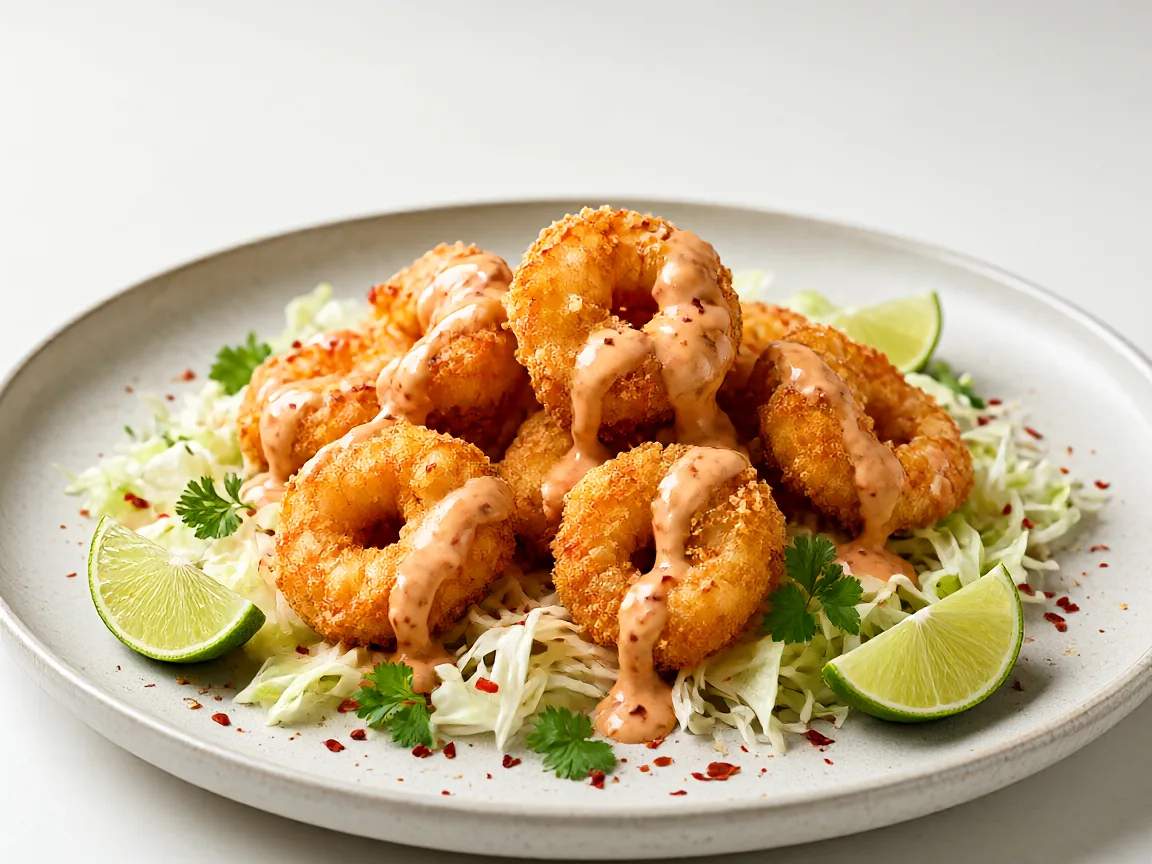
For air-fried food, add the sauce after cooking unless it is a thin marinade that can tolerate heat. The air fryer low-carb recipes collection can help with the cooking method, but the sauce should still be measured separately. A crisp coating becomes soft when it is covered with a large amount of liquid.
For a salad, use a vinaigrette-style sauce with lime, rice vinegar, sesame oil, ginger, and a small amount of tamari. For a warm bowl, a richer coconut or peanut sauce may be more satisfying. Match the sauce to the cooking method and texture so you do not need to use a large quantity.
Nutrition and portion planning
Count the ingredients that contribute carbohydrate: sweeteners, coconut milk, miso, nut or seed butter, packaged curry paste, and any thickener. Garlic, ginger, herbs, and chili contribute small amounts at normal recipe quantities, but a nutrition estimate should still use the actual ingredients. Divide the total recipe by the number of servings and measure the portion when you are testing the formula.
Oil, coconut milk, peanut butter, tahini, and sesame seeds may contribute little carbohydrate but can add substantial energy. If weight management is part of your goal, consider both carbohydrate and total portion size. A tablespoon of sauce can be enough to flavor a bowl when the aromatics and acid are balanced.
Labels vary by brand. Use the nutrition information for the tamari, curry paste, coconut milk, and nut butter in your kitchen rather than relying on a generic database value. If you are managing blood glucose or another medical condition, monitor your individual response and follow advice from your healthcare professional.
For a broader meal structure, the low-carb recipes hub provides other combinations of protein, vegetables, and cooking methods. Sauce is one component of the meal, not a replacement for the protein and vegetables that provide most of the volume.
Storage and food safety
Cool cooked sauce promptly and store it in a clean sealed container in the refrigerator. Fresh sauces with raw garlic, herbs, or lime are best used within a few days. Coconut-based sauces may separate when chilled; stir them over low heat and add a little water if needed. Do not leave a sauce containing seafood, dairy, or cooked meat at room temperature for extended periods.
Store sauce separately from crisp vegetables and fried or air-fried foods. Keeping the components apart preserves texture and lets you reheat only the amount you need. Label the container with the date and the main ingredients, especially if several sauces look similar.
Freezing is possible for some cooked sauces, but texture can change when coconut milk or emulsified ingredients thaw. Freeze a small test portion first. Fresh lime juice and herbs are often better added after thawing rather than before freezing.
Common sauce problems and fixes
- Too salty: dilute with water or unsalted broth, add more food, and brighten with lime or vinegar.
- Too sour: add water and a small amount of richness before considering a little sweetener.
- Too thin: reduce gently or add a small amount of coconut milk, tahini, or nut butter.
- Too thick: whisk in warm water one teaspoon at a time.
- Too spicy: increase the unsalted base and add acid or richness; do not simply add more sweetener.
- Flat flavor: add fresh ginger, garlic, herbs, lime zest, or vinegar before adding more salt.
- Burned glaze: apply it later in the cooking process or lower the heat after the food is browned.
Adjust one variable at a time and taste the sauce with the food it will accompany. A sauce that tastes balanced alone may seem weak over unsalted vegetables, while a salty sauce may become overwhelming once it is reduced in a pan. Keep notes if you are developing a repeatable household recipe.
How it fits a low-carb meal plan
A homemade low carb Asian sauce can make simple ingredients easier to repeat. Use one base sauce for chicken and vegetables, then change the acid or herbs on another day. This keeps shopping manageable while preventing meals from tasting identical. Prepare a small jar instead of a large batch if you are still learning how much your household uses.
If you want a crunchy component, a measured amount of almond meal or chopped nuts can be useful. The low-carb almond meal recipes collection offers ideas for using that ingredient, but remember that nut-based toppings add energy even when they are low in net carbohydrate.
For a meal that includes bread, serve the sauce with protein and vegetables first and decide whether a small bread portion is still needed. The almond meal bread keto guide is one possible side option. The right portion depends on your daily plan, appetite, and response to carbohydrate.
FAQ
What is the best sweetener for low carb Asian sauce?
There is no single best choice. A low- or no-sugar sweetener can balance vinegar or chili, but it should be used sparingly. You can also create balance with lime, coconut milk, ginger, or a naturally mild savory ingredient.
Can I use bottled teriyaki sauce?
You can if it fits your targets and the label matches your needs, but measure it carefully. Many bottled teriyaki sauces contain sugar. A homemade tamari, vinegar, ginger, garlic, and sesame oil mixture gives you more control.
How do I make sauce without soy?
Use fish sauce, unsalted broth, mushroom seasoning, coconut aminos, or miso according to your diet. Add lime, garlic, ginger, and chili for depth. Check each product label because carbohydrate and sodium levels vary.
Why does my sauce separate?
Coconut milk, oil, and acidic ingredients can separate when heated too strongly or stored. Simmer gently, whisk in warm water, and add fresh lime or herbs after reheating rather than boiling the sauce aggressively.
How much sauce should I use?
Start with one or two tablespoons per serving and add more only if needed. The right amount depends on the protein, vegetables, and whether the dish already contains oil or other seasonings. Keeping sauce on the side makes portions easier to control.
Low carb Asian sauce is most useful when it adds contrast without hiding the food. Build it from a measured savory base, acid, fresh aromatics, and a controlled amount of richness. Check packaged ingredients, reduce or dilute thoughtfully, and keep sauce separate when texture matters. With those habits, a small jar can turn simple meat, seafood, tofu, eggs, and vegetables into varied meals that remain practical for a lower-carbohydrate routine.