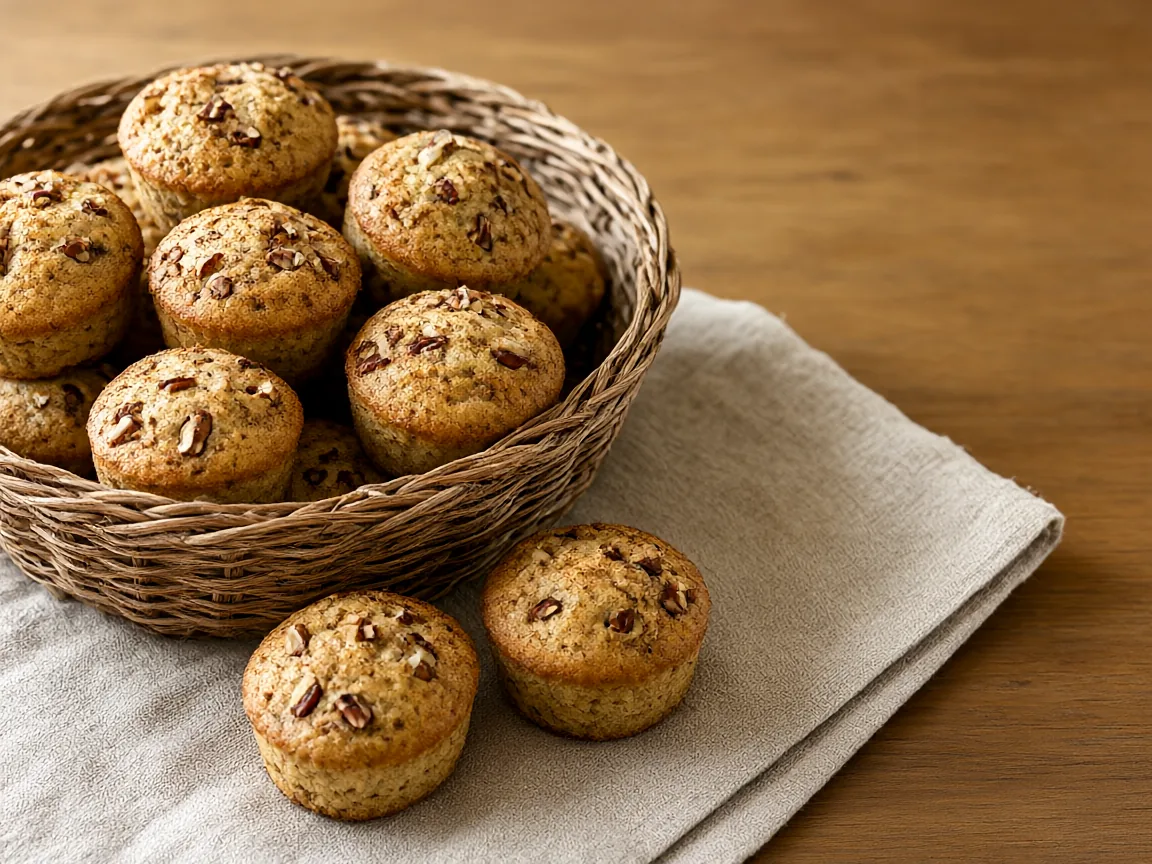
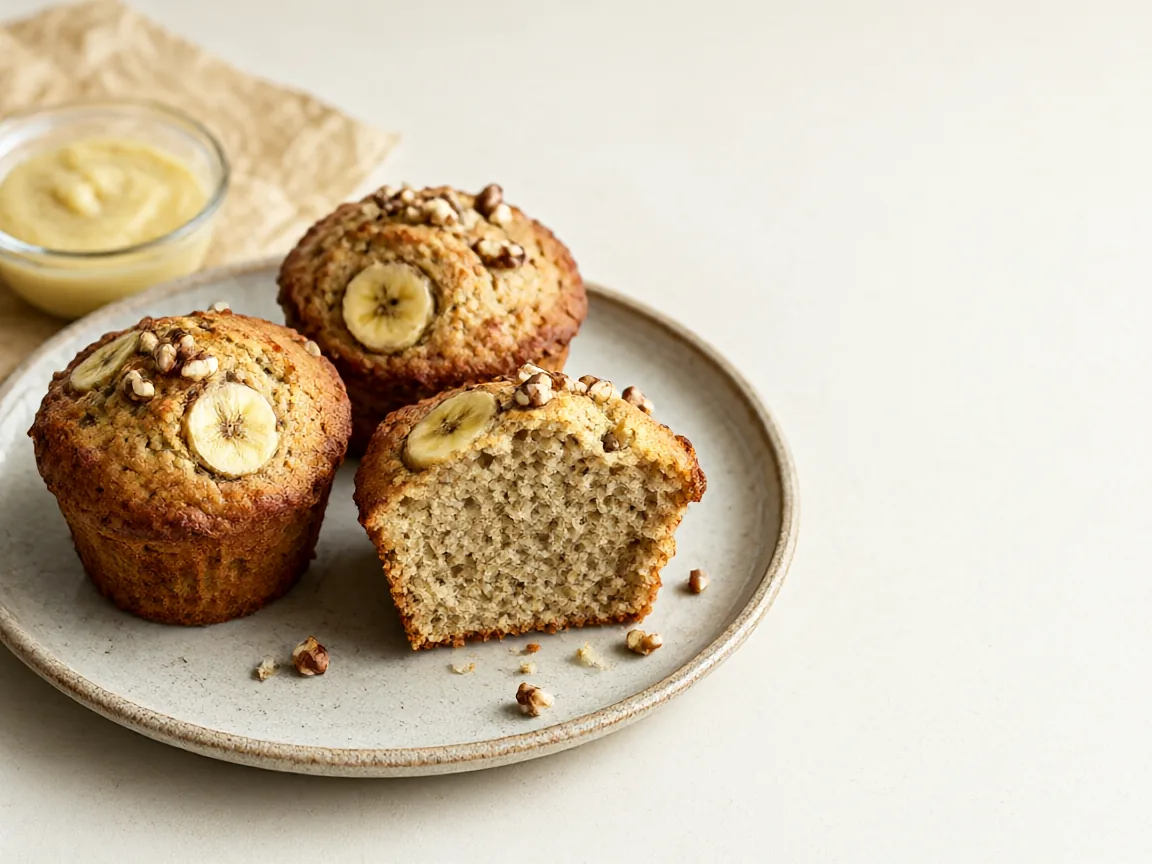
Almond flour keto desserts can be much more varied than a single cookie recipe. The same finely ground almond ingredient can create a tender cake, a crisp tart shell, a soft breakfast square, or a crumbly topping for berries and yogurt. The key is to match the amount of almond flour, fat, egg, and sweetener to the texture you want instead of treating every dessert as a direct flour swap.
This guide explains how to plan almond flour desserts for a low-carb kitchen. It includes a flexible base formula, a simple mini-tart method, ideas for cakes and bars, substitution notes, storage guidance, and a practical way to estimate carbohydrates. The recipes are written as general kitchen guidance, so check your own labels and portion sizes when a specific nutrition target matters.
Why almond flour is useful for keto desserts
Almond flour contributes fat, fiber, protein, and a mild nutty flavor. Its natural fat helps desserts stay tender, while its fine texture can create a smooth crumb when combined with eggs and butter. It also pairs well with cocoa, cinnamon, lemon zest, vanilla, coconut, berries, and dark chocolate flavors.
Almond flour is not a zero-carbohydrate ingredient, and a dessert can become less low-carb when it includes sugar, syrup, dried fruit, sweetened chocolate, or large amounts of higher-carbohydrate fruit. A good starting point is an unsweetened almond flour plus a baking sweetener that fits your eating plan. Calculate the whole recipe from the actual labels, then divide it by the number of portions.
A flexible almond flour dessert base
For a soft cake or dessert square, start with 1 1/2 cups finely ground almond flour, 1/3 cup powdered low-sugar baking sweetener, 1/2 teaspoon baking powder, 1/4 teaspoon salt, 6 tablespoons softened butter, 2 eggs, 1 teaspoon vanilla, and the flavoring of your choice. Lemon zest, cinnamon, unsweetened cocoa, or espresso powder can each create a different dessert without changing the structure too much.
Whisk the dry ingredients separately. Beat the butter and sweetener until smooth, then add the eggs and vanilla. Fold in the dry mixture just until combined. Let the batter sit for five minutes before baking so the almond flour can absorb some moisture. Bake in a lined small pan at 350°F, or 175°C, until the center is set and the edges are lightly golden.
This base can be baked as a thin sheet and cut into squares, spooned into muffin cups, or used as a layer under a low-sugar topping. The pan shape changes the baking time, so test with a toothpick and look for a center that springs back lightly rather than one that is completely dry.

Mini almond flour tartlets
For a simple tart shell, combine 1 cup almond flour, 2 tablespoons powdered sweetener, a pinch of salt, and 3 tablespoons melted butter. Press the mixture into six small tartlet molds or the cups of a muffin pan. Press the base firmly and push the mixture slightly up the sides. Chill the shells for 15 minutes, then bake at 350°F for 8 to 10 minutes, until the edges are lightly colored.
Let the shells cool before filling them. A low-sugar filling can be made from softened cream cheese, vanilla, lemon zest, and a measured sweetener. You can also use unsweetened Greek yogurt, but add it shortly before serving because its moisture will soften the crust. Finish with a few raspberries or blackberries if they fit your personal carbohydrate target.
The shell is delicate when hot. Leave it in the pan until it is cool enough to lift without cracking. If it feels greasy, the butter may have been too warm or the almond flour may have been packed too tightly. If it is crumbly, press the mixture more firmly or add a small amount of butter before baking another test shell.
Three dessert directions from the same pantry
Lemon almond cake
Add lemon zest to the flexible base and replace part of the vanilla with a small amount of lemon extract if desired. The zest provides aroma without adding the moisture of lemon juice. Bake the batter in a small loaf pan or round pan and cool completely before slicing. A thin layer of unsweetened whipped cream can be added at serving time rather than baked into the cake.
Cocoa almond squares
Replace two tablespoons of almond flour with unsweetened cocoa powder. Add a pinch of espresso powder if you like a deeper chocolate flavor. Cocoa can make a dessert feel drier, so do not overbake the squares. A small amount of chopped walnuts can add contrast, but include them in the nutrition calculation.
Cinnamon crumb cups
Press part of the dry almond mixture into muffin cups, add a small spoonful of cream cheese or unsweetened berry mixture, and cover with the remaining crumbs. Bake until the top is lightly golden. The crumb should be loose but not dusty. If it will not hold together, add a little melted butter; if it is oily, add a spoonful of almond flour and chill it before baking.
Choosing a low-sugar sweetener
Powdered erythritol and monk fruit blends are convenient for frostings, fillings, and cakes because they dissolve more evenly than coarse granules. Allulose can produce a softer texture and more browning, but it may make a thin crust spread or darken sooner. Stevia products vary in strength and bulk, so a concentrated product cannot replace a cup-for-cup baking sweetener without changing the recipe.
Sweetener choice affects more than sweetness. Some blends create a cooling sensation, some can recrystallize as a dessert cools, and some add moisture. If you are testing a new product, make a half batch and write down the amount used. This makes it easier to adjust the next version without changing several ingredients at once.
Almond flour, almond meal, and other substitutions
Finely milled blanched almond flour gives the smoothest cake and tart textures. Almond meal contains the skins and is usually coarser, so it creates a more rustic crumb and may need a slightly longer rest before baking. Use it when a textured dessert is welcome, but do not expect the same pale, delicate result.
Coconut flour is not a direct substitute by volume. It absorbs much more liquid and usually needs additional eggs or another moisture adjustment. A dessert designed for coconut flour should be treated as a separate formula. Sunflower seed flour can be useful for people avoiding tree nuts, but it has its own flavor and may create a green tint when combined with some leaveners.
For a recipe that uses almond flour in a savory format, compare these almond meal bread keto ideas. The comparison helps show why a dessert needs a different balance of fat and sweetener than a sliceable loaf. You can also browse these low-carb almond meal recipes for more ingredient-led variations.
Portion and net-carb planning
Start by adding the total carbohydrate and fiber from every ingredient. If you track net carbohydrates, subtract fiber according to the method you normally use. Read the sweetener label rather than assuming all “sugar-free” products have the same values. Then divide the batch by the number of equal portions. A twelve-piece dessert and a six-piece dessert have the same total ingredients but very different serving sizes.
Toppings need to be included. A small amount of berries, unsweetened whipped cream, nut pieces, chocolate, or yogurt may be reasonable for your plan, but each changes the final estimate. If the dessert is served at a gathering, cut it before adding toppings so portions remain visible. This is easier than trying to estimate the amount from a large uncut cake.
Almond flour desserts are also energy-dense because almonds and butter contain substantial fat. A lower carbohydrate count does not mean a dessert can be eaten without regard to appetite or portion. Pair a small serving with a meal or a protein-focused snack when you want better staying power.
Storage and preparation ahead
Cool baked desserts fully before covering them. A warm cake trapped under a lid can develop condensation and a sticky surface. Store plain cake or squares in an airtight container for two to three days in a cool kitchen. Cream cheese or yogurt fillings should be refrigerated, and fruit-topped desserts are usually best eaten within a shorter window.
Tart shells can be baked a day ahead and filled shortly before serving. Keep them covered at room temperature if they are completely dry, or refrigerate them if your kitchen is warm. For longer storage, freeze cooled cake slices or plain tart shells in a well-sealed container. Thaw them in the refrigerator or at room temperature according to the filling.
Common baking problems
- A dense center: the batter may have been overmixed or the pan may have been too small. Mix only until combined and check the center before removing it.
- A dry crumb: the dessert may have baked too long. Almond flour desserts continue to set as they cool, so remove them when the center is just set.
- A greasy base: the butter may have been too hot or the flour may have been packed heavily. Chill the crust and measure the flour by weight next time.
- Crumbly slices: let the dessert cool completely, use a sharp knife, and consider adding one more egg to a cake-style formula if the mixture is consistently fragile.
- Over-browned edges: use a light-colored pan, move the rack to the middle, and cover the top loosely if the center needs more time.
Make one adjustment at a time. A short test bake reveals more than changing the flour, sweetener, pan, and oven temperature all at once. Record the pan size and baking time so the successful version can be repeated.
How to connect desserts with other low-carb meals
A dessert plan works better when it belongs to a broader meal pattern. Use a small almond flour square after a meal built around protein and vegetables, or serve a tartlet with unsweetened yogurt rather than adding several sweet toppings. The main recipes hub contains more practical ideas in the low-carb recipes collection.
If you prefer cookies, compare the base formula with this almond flour keto cookies recipe. For a simpler single-cookie approach, see the keto almond flour cookie guide. These recipes use similar pantry ingredients, but the portions and moisture balance are different because the finished textures are different.
FAQ
Are almond flour keto desserts low in carbs?
They can be lower in digestible carbohydrate than traditional flour-and-sugar desserts, but the result depends on the full ingredient list and serving size. Calculate the recipe using your own labels, especially for sweeteners, chocolate, fruit, and fillings.
Can I use regular almond flour in every dessert?
Use finely milled almond flour when you want a smooth cake or tart. A coarser almond meal can work for crumb toppings and rustic bars, but it may create a heavier texture and require a longer rest.
Why did my tart crust crack?
The crust may have been pressed too thin, moved while warm, or baked until overly dry. Press it evenly, leave it in the pan while cooling, and add filling only after the shell has cooled.
Can I make these desserts dairy-free?
Use a firm dairy-free baking alternative and test a small batch. Products differ in water content, so the texture may need an adjustment. For fillings, choose a dairy-free option without added sugar and check the label.
How do I keep dessert portions consistent?
Use a scale for batter or dough, choose a fixed pan size, and cut the cooled dessert before adding toppings. Write the number of portions beside the nutrition estimate so the serving stays clear.
Almond flour keto desserts are easiest to manage when you treat them as structured recipes rather than unlimited substitutes. Choose the right almond ingredient for the texture, measure sweetener and toppings, let the batter or crust rest, and cool the finished dessert fully. With those habits, one pantry ingredient can support cakes, tartlets, squares, and cookies while keeping the recipe practical for a low-carb kitchen.