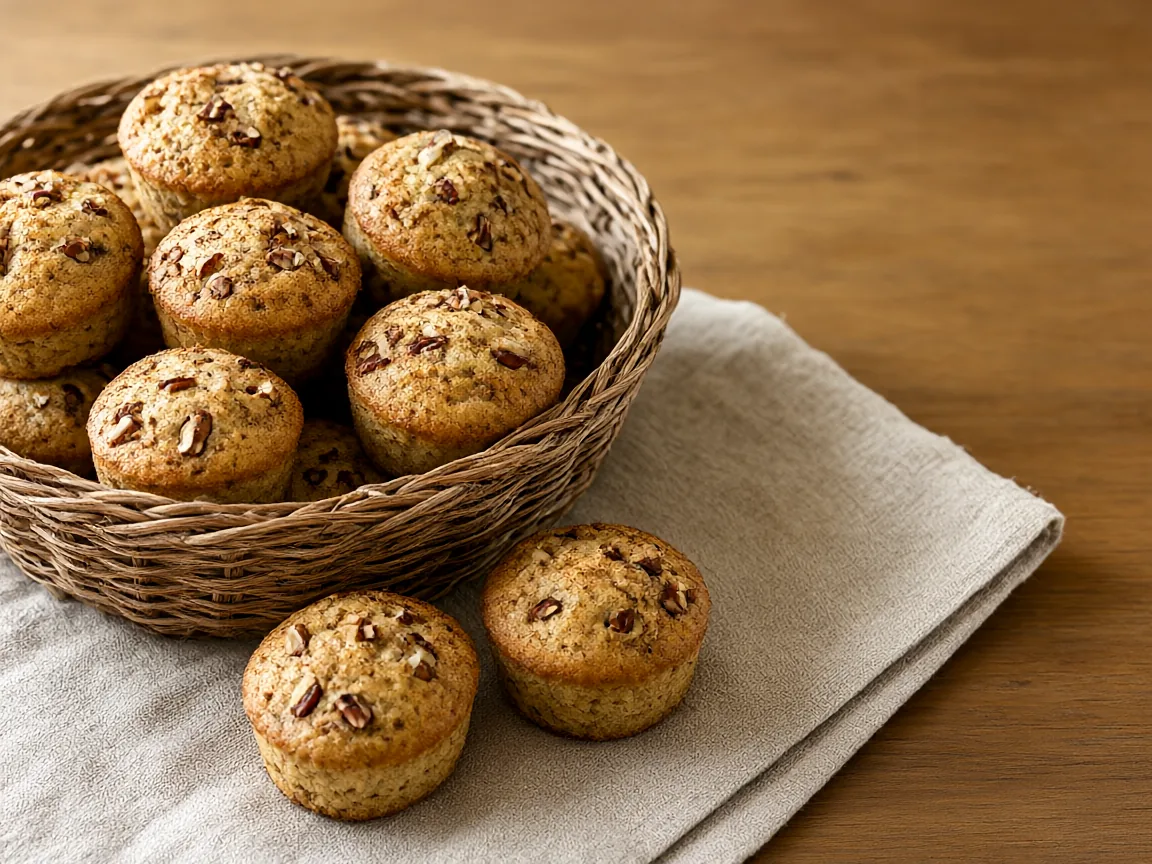
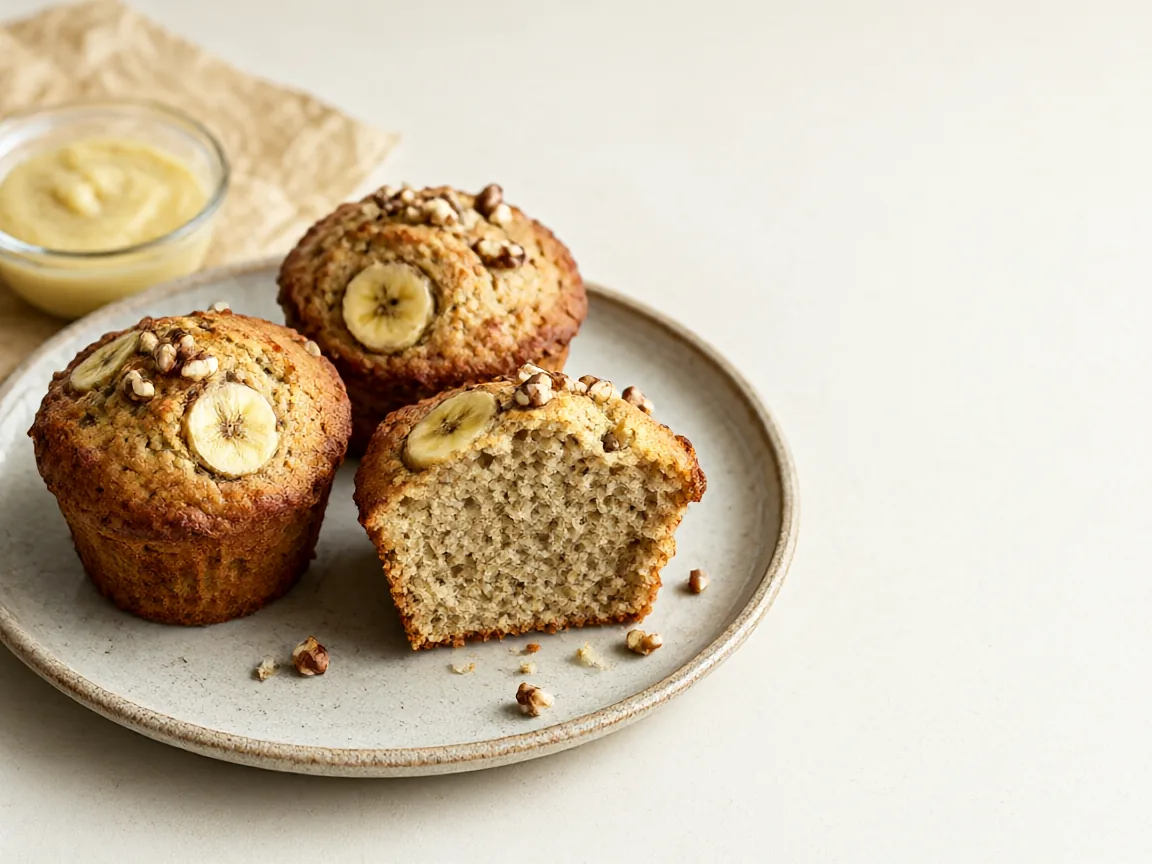
This keto almond flour cookie is designed for the kind of low-carb baking people actually repeat: a short ingredient list, a tender center, lightly crisp edges, and enough structure to hold after cooling. Almond flour gives the cookies a mild nutty flavor and a soft crumb, while a measured low-sugar sweetener keeps the recipe suitable for many keto and low-carb meal plans.
The most important detail is not a special trick. It is managing moisture and portion size. Almond flour does not behave like wheat flour, so the dough needs time to hydrate before baking. The cookies also finish setting as they cool. If you move them too early, they can seem fragile; if you bake them too long, the edges can become dry. This guide walks through the full method, useful substitutions, storage, and a practical way to estimate carbohydrates.
What makes an almond flour cookie keto-friendly?
Traditional cookies often rely on wheat flour and granulated sugar, two ingredients that can contribute a large amount of digestible carbohydrate in a small serving. Almond flour is made from finely ground almonds, so it contains fat, fiber, and protein along with carbohydrate. Replacing sugar with an unsweetened or low-sugar sweetener can reduce the added sugar load, but the finished cookie is not automatically carbohydrate-free.
Read the label for the almond flour and the sweetener you choose. Different brands use different grind sizes and different bulking ingredients. A finely milled blanched almond flour usually produces a smoother cookie, while almond meal with the skins can make the texture more rustic. Both can work, but the weight and moisture absorption may differ. Count the carbohydrate from every ingredient and divide the total by the number of cookies you actually make.
Ingredients for a small batch
- 1 1/2 cups finely ground blanched almond flour
- 1/3 cup powdered monk fruit and erythritol blend, or another measured baking sweetener
- 1/2 teaspoon baking powder
- 1/4 teaspoon fine sea salt
- 6 tablespoons unsalted butter, softened but not melted
- 1 large egg, at room temperature
- 1 teaspoon vanilla extract
- 1/2 teaspoon cinnamon, optional
- 2 tablespoons sliced almonds, optional for the top
Use unsalted butter if you want to control the salt precisely. Coconut oil can be used in a pinch, but it changes the texture and may make the dough spread differently. If you prefer a dairy-free batch, choose a firm baking-style plant butter and test one cookie first. Soft tub-style spreads often contain more water, which can produce a flatter cookie.

How to make keto almond flour cookies
1. Prepare the oven and tray
Heat the oven to 350°F, or 175°C. Line a light-colored baking sheet with parchment paper. A light sheet helps prevent the bottoms from browning too quickly. If your oven has a strong lower element, place the tray on the middle rack and check the first batch a few minutes early.
2. Mix the dry ingredients
Whisk the almond flour, powdered sweetener, baking powder, salt, and cinnamon in a medium bowl. Break up any compacted flour with the back of a spoon. Mixing these ingredients first helps distribute the baking powder and salt so you do not get a salty or dense pocket in one cookie.
3. Cream the butter and sweetener
In a separate bowl, beat the softened butter and about half of the dry mixture until smooth. Add the egg and vanilla, then mix until the batter looks even. Add the remaining dry mixture in two additions. Stop mixing as soon as no dry streaks remain. Overworking the dough is not as serious as it is with wheat flour, but excessive mixing can warm the butter and encourage spreading.
4. Rest and portion the dough
Let the dough rest for 10 to 15 minutes. This short pause gives the almond flour time to absorb some of the moisture and makes the dough easier to scoop. Portion the dough into 12 equal mounds. For consistent nutrition estimates, use a scale or a small cookie scoop. Place the mounds several inches apart and press each one gently into a thick disk. Almond flour cookies spread less predictably than wheat cookies, so shaping them before baking gives you better control over the final size.
5. Bake and cool
Sprinkle sliced almonds over the tops if using them. Bake for 10 to 13 minutes, until the edges are lightly golden and the centers look set but still soft. Remove the tray and leave the cookies in place for at least 10 minutes. Then transfer them to a rack. The cookies become firmer as they cool, and the center will have a more pleasant tender texture after it is no longer hot.
Texture adjustments for the result you want
For a softer cookie, use the full egg and avoid baking beyond the point when the edges turn pale gold. A slightly thicker dough disk also keeps the center tender. For a crisper edge, press the dough a little thinner and let the cookies cool completely on the tray before moving them. Do not try to create a very thin, brittle cookie by adding extra baking powder; too much leavening can create an uneven surface and a dry aftertaste.
If the dough is too sticky to portion, chill it for 15 to 20 minutes. If it is crumbly and will not hold together, check that the butter was softened and that the egg was included. A tablespoon of unsweetened almond milk can help in an emergency, but add it in tiny amounts because excess liquid makes the cookies spread. If the dough seems oily, the butter may have been melted or the almond flour may be unusually coarse. Chilling usually helps the first batch, while using a finer flour helps the next one.
Sweetener and ingredient substitutions
A powdered monk fruit and erythritol blend is convenient because it dissolves into the butter mixture and contributes some structure. Allulose can produce a softer, more caramel-like cookie, but it may brown faster. Stevia blends vary widely in sweetness and bulk, so they cannot always replace a cup-for-cup baking blend. Use the product’s conversion guidance and expect to adjust texture.
For a nut-free version, almond flour is not interchangeable with coconut flour at the same volume. Coconut flour absorbs much more liquid, so a direct substitution often creates a dry, crumbly dough. A nut-free recipe should be reformulated rather than changed one ingredient at a time. If you are avoiding almonds but can eat other nuts, a finely ground pecan or macadamia flour may work, although the cookies will be softer and more fragile.
For flavor, add lemon zest, unsweetened cocoa, espresso powder, or a small amount of chopped sugar-free chocolate. Keep additions measured. Dried fruit, honey, maple syrup, and regular chocolate chips can raise the carbohydrate of the batch quickly. A little cinnamon or vanilla is often enough to make a simple cookie taste finished without adding syrup.
How to estimate net carbs
Start with the nutrition labels for the almond flour, sweetener, butter, egg, and any toppings. Add the total carbohydrate for the full batch, then subtract fiber if that is how you track net carbohydrates. Some sweeteners are handled differently by different people, so use the convention that matches your own plan and label information. Finally, divide the result by the number of cookies. If the cookies are different sizes, estimate by weight rather than assuming every piece is identical.
For example, a batch made with 12 equal cookies may have a different per-cookie value from a batch made with 18 small cookies, even when the ingredients are unchanged. The smaller serving may be easier to fit into a snack, but two small cookies still equal one larger portion. Keep the serving language clear when sharing the recipe so the nutrition estimate does not look more precise than the ingredients allow.
Serving ideas for a low-carb day
Serve one cookie with plain Greek yogurt, coffee, or tea when you want a small sweet finish. For a more substantial snack, pair it with a protein source instead of adding several more cookies. A cookie can also be crumbled over unsweetened yogurt with cinnamon, but remember that the topping still counts as the cookie portion.
If you are planning a baking day, keep this recipe alongside other almond-based dishes. These low-carb almond meal recipes show how a coarser almond ingredient changes texture. For a savory option, compare the method with these almond meal bread keto ideas. The differences are useful because cookies need a tender crumb, while bread needs enough structure to slice.
Storage and make-ahead notes
Cool the cookies completely before storing them. Place parchment between layers in an airtight container and keep them at room temperature for two to three days if your kitchen is cool. Refrigeration can make the texture firmer, while a short rest at room temperature softens the center again. If the container shows condensation, leave the lid slightly ajar until the cookies are dry before sealing it.
For longer storage, freeze the cooled cookies in a single layer before transferring them to a freezer bag or container. Label the date and thaw only the number you plan to eat. You can also freeze portioned dough disks, then bake from chilled with a few extra minutes added to the baking time. Test one frozen dough piece first because different sweeteners spread at different rates.
Common problems and quick fixes
- Cookies spread too much: chill the dough, confirm the butter was softened rather than melted, and use parchment on a cool tray.
- Cookies are dry: reduce the baking time, make the disks thicker, and check whether the almond flour was measured accurately.
- Cookies fall apart: let them cool longer on the tray and avoid moving them while hot.
- Cookies taste bitter or cooling: the sweetener may not suit the recipe; try a different blend or reduce the amount slightly.
- Centers remain greasy: the flour may be coarse or the dough may have been too warm; chill the dough and bake a test cookie.
When troubleshooting, change one variable at a time. If you alter the flour, butter, sweetener, and oven temperature at once, it becomes difficult to know what solved the problem. A small test batch is usually more useful than changing the full recipe repeatedly.
FAQ
Can I make this recipe with almond meal?
Yes, but the cookies will have a more visible almond texture and may spread differently. Use the same starting amount by weight if possible, rest the dough, and bake one test cookie before baking the entire tray.
Why are my keto almond flour cookies soft after baking?
Almond flour cookies often firm as they cool. Leave them on the baking sheet for at least 10 minutes before moving them. If they remain soft after cooling, they may need a few more minutes in the oven or a slightly longer chill before baking.
Can I make the dough ahead?
Yes. Cover the dough and refrigerate it for up to two days, or freeze portioned dough disks for longer storage. Let chilled dough sit briefly if it is too firm to scoop, and add a little baking time when baking from frozen.
Is this cookie suitable for everyone on a keto diet?
It may fit many low-carb plans, but the answer depends on the full ingredient labels, portion, and personal carbohydrate target. People with nut allergies should avoid almond flour, and anyone following a medically prescribed diet should use the guidance of a qualified professional.
This keto almond flour cookie works best as a measured treat rather than an unlimited snack. Use a simple flour, choose a sweetener you tolerate, rest the dough, cool the cookies fully, and count the complete batch. For more tested ideas, continue through the low-carb recipes hub or compare this cookie with an almond flour keto recipe built for a different texture.