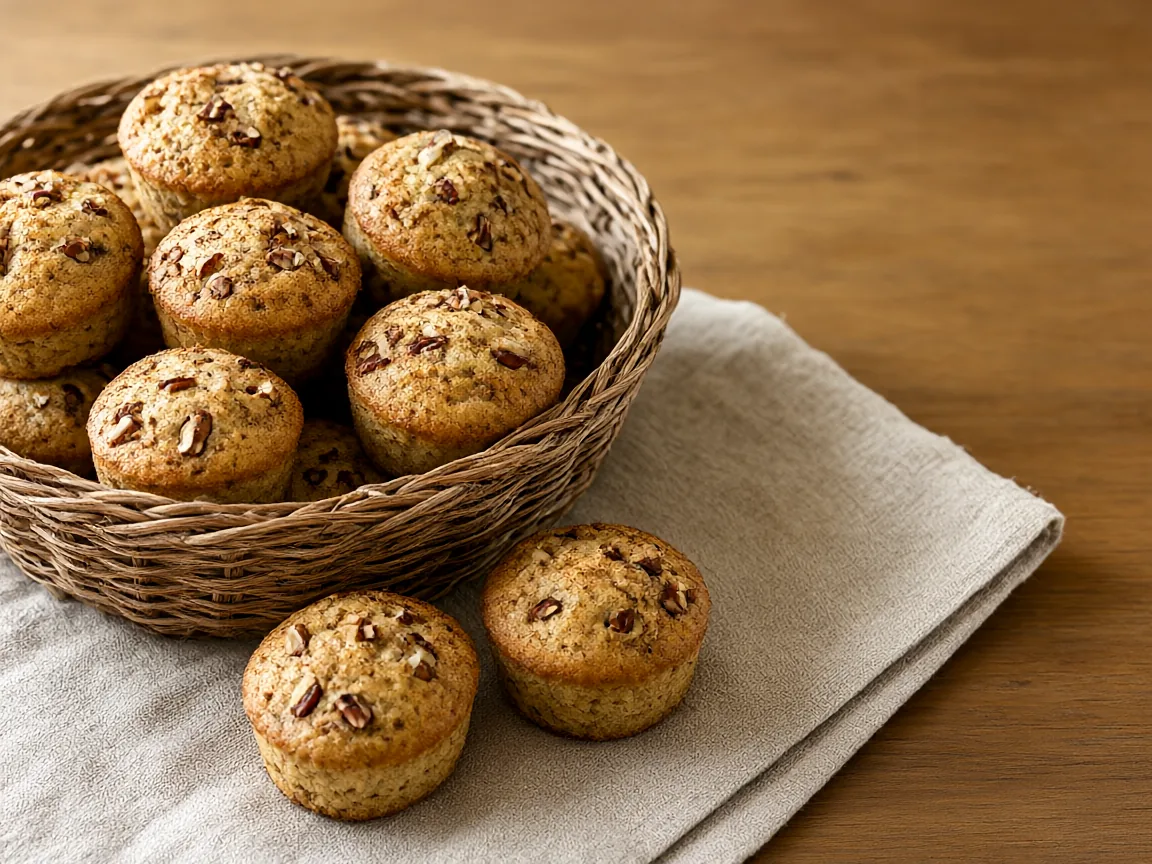
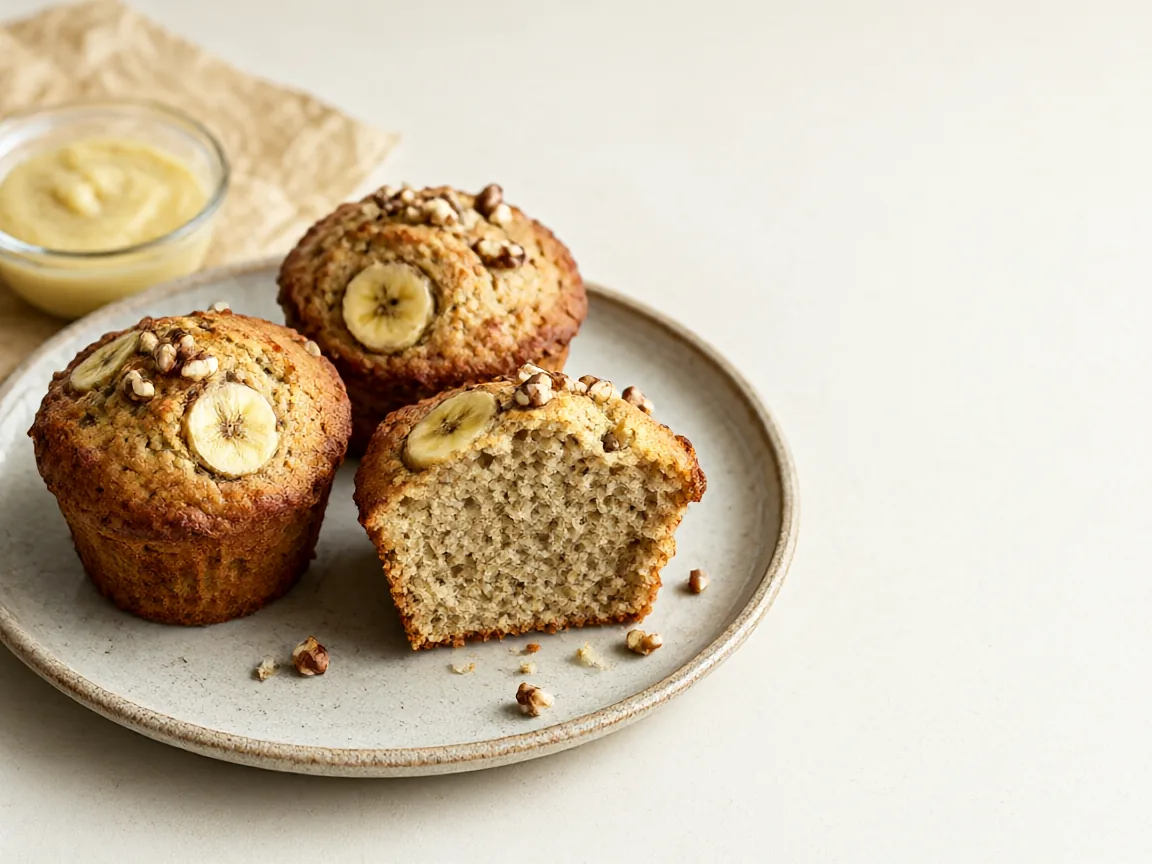
These almond flour keto cookies are a practical small-batch bake with lightly crisp edges, a soft center, and a nutty flavor that does not need a long list of specialty ingredients. Almond flour gives the dough a tender texture, while a measured low-sugar sweetener provides sweetness without relying on regular granulated sugar. The cookies are useful for a planned snack, a simple dessert, or a freezer-friendly baking session.
Almond flour behaves differently from wheat flour, so the method matters as much as the ingredient list. The dough needs a short rest, the portions should be kept consistent, and the cookies need time to cool before they are moved. This guide covers the base recipe, ways to change the texture, ingredient substitutions, net-carb planning, storage, and common fixes for cookies that spread or crumble.
Why almond flour works in keto cookies
Almond flour is made from finely ground almonds and naturally contains fat, fiber, protein, and carbohydrate. Compared with wheat flour, it generally contributes less digestible carbohydrate per typical baking portion, although the exact numbers depend on the product and the amount used. It also brings enough fat to create a tender crumb without requiring a large amount of oil.
That does not make every almond flour cookie automatically keto-friendly. The sweetener, chocolate, dried fruit, icing, and serving size can change the full nutrition picture. The best approach is to read the labels, calculate the whole batch, and divide by the actual number of cookies. An unsweetened almond flour and a baking sweetener without added sugar are a useful starting point, but personal carbohydrate targets still guide the final portion.
Ingredients for 12 almond flour keto cookies
- 1 1/2 cups finely ground blanched almond flour
- 1/3 cup powdered erythritol or monk fruit baking blend
- 1/2 teaspoon baking powder
- 1/4 teaspoon fine salt
- 6 tablespoons unsalted butter, softened
- 1 large egg
- 1 teaspoon vanilla extract
- 1/2 teaspoon cinnamon, optional
- 2 tablespoons chopped pecans or sliced almonds, optional
Blanched almond flour gives a smooth, pale cookie, while almond meal produces a darker, more textured result. Choose a fine grind when you want a classic soft cookie. If the flour has been stored for a long time, check that it smells fresh before mixing. Rancid nut flour can make an otherwise balanced recipe taste bitter.

Step-by-step method
1. Set up the baking tray
Heat the oven to 350°F, or 175°C. Line a light-colored baking sheet with parchment paper. A light tray helps the bottoms bake more evenly, while parchment makes it easier to lift the cookies after cooling. If you use a dark tray, begin checking the first batch a little earlier.
2. Combine the dry ingredients
Whisk the almond flour, powdered sweetener, baking powder, salt, and cinnamon in a bowl. Break up any clumps so the baking powder and salt are distributed through the flour. If your sweetener is granulated rather than powdered, pulse it briefly in a blender or expect a slightly more noticeable texture in the finished cookie.
3. Build the dough
Beat the softened butter until smooth. Add the dry mixture in two additions, mixing gently between each addition. Beat in the egg and vanilla until the dough is even. The finished dough should be soft enough to scoop but not wet. Scrape the sides of the bowl once so no dry flour remains hidden at the bottom.
4. Rest and portion
Let the dough rest for 10 to 15 minutes. Almond flour absorbs moisture gradually, so this pause improves the texture and makes portioning easier. Divide the dough into 12 equal balls. Place them on the tray with space between them, then press each ball into a thick disk. Add chopped nuts to the tops if desired.
5. Bake and cool
Bake for 10 to 13 minutes, until the edges are lightly golden and the centers look set but still soft. Leave the cookies on the hot tray for at least 10 minutes after removing them from the oven. They continue to firm as they cool. Transfer them to a rack only when they can lift without bending or breaking.
How to control the cookie texture
For a soft center, keep the disks fairly thick and remove them when the edges have just begun to color. The center should not look wet, but it also should not be deeply browned. For a crisper edge, press the dough a little thinner and let the cookies cool completely before sealing them in a container. A longer bake can create crispness, but it can also make almond flour taste dry and toasted.
If the dough spreads too much, the butter may have been too warm or the tray may have still been hot from a previous batch. Chill the dough for 20 minutes and use a cool parchment-lined tray. If the dough will not hold together, check the egg and butter measurements first. A tablespoon of almond flour can help a very soft dough, but add it cautiously because too much can make the cookies crumbly.
Cookie size affects more than appearance. Smaller cookies bake faster and are easier to portion, while large cookies need a longer center-setting time. Weighing each dough portion is the simplest way to keep the batch consistent. It also makes the nutrition estimate more reliable.
Sweetener choices and flavor variations
Powdered erythritol blends dissolve easily and are convenient for a basic cookie. Allulose can produce a softer, more browned edge, but it may cause the cookies to spread more quickly. Stevia products vary in sweetness and bulk, so a few drops of a concentrated liquid product cannot replace a cup-for-cup baking blend without changing the recipe structure.
For a chocolate version, replace two tablespoons of almond flour with unsweetened cocoa powder and add a small amount of extra sweetener only if needed. For lemon cookies, add finely grated lemon zest rather than lemon juice, which can add moisture and make the dough spread. Cinnamon, cardamom, espresso powder, and a small amount of unsweetened coconut can each change the flavor without turning the recipe into a high-sugar dessert.
Chopped pecans or walnuts add texture, but measure them as part of the batch. Sugar-free chocolate chips can work when their label fits your plan. Avoid assuming that a “keto” chocolate product has no carbohydrate; check the total and fiber numbers, as well as how the sweetener affects you.
Using almond meal instead of almond flour
Almond meal contains the almond skins and is often more coarsely ground. It can replace almond flour in some cookies, but the result may be darker, more rustic, and slightly more fragile. Use the same starting quantity by weight if you can, then bake one test cookie. If the test cookie spreads, chill the dough. If it breaks apart, use a finer meal or add a small amount of extra binder through the egg or butter rather than adding a lot of liquid.
The difference between dry almond ingredients is easier to see when you compare recipes. These low-carb almond meal recipes use the ingredient in different textures. For a savory comparison, see these almond meal bread keto ideas, where sliceability matters more than a delicate cookie crumb.
Net-carb planning for a batch
To estimate net carbs, add the total carbohydrate from the almond flour, egg, sweetener, and any mix-ins. Subtract fiber if that is the convention you use. Some sweeteners are treated differently on labels and by individual digestion, so keep the calculation consistent with your nutrition plan. Divide the batch total by the number of equal cookies.
A label-based estimate is only as accurate as the measurements. A heaped cup of almond flour can contain much more flour than a level cup, and a large scoop of dough can quietly double the intended portion. Use a kitchen scale when you want the closest result. If you make a variation with chocolate or nuts, calculate the new batch instead of relying on the base recipe.
For many people, one cookie is an easier starting portion than eating directly from the container. Pair it with coffee, tea, plain yogurt, or a protein-focused snack if you want more staying power. The cookie can be part of a low-carb meal pattern without needing to serve as the entire snack.
Storage and make-ahead options
Cool the cookies completely before storing. Place parchment between layers in an airtight container. In a cool kitchen, they can usually be kept at room temperature for two to three days. Refrigeration makes the crumb firmer, so let a cookie sit at room temperature for a few minutes before serving if you prefer a softer texture.
For longer storage, freeze the cookies in one layer first, then transfer them to a labeled freezer container. Thaw only the amount you need. You can also freeze portioned dough balls. Place them on a tray to freeze, then store them in a bag. Bake from frozen with a few extra minutes, testing one cookie before committing the full batch.
When to use other almond-based recipes
Not every almond flour recipe should have the same texture. If you want a sliceable loaf, a bread formula needs more structure and a different moisture balance. If you want a thin, crisp snack, a cookie dough may need to be pressed flatter and baked in smaller portions. Use the recipe that matches the result you want rather than forcing one formula to do every job.
For a single-cookie method with a similar ingredient profile, compare this guide with the keto almond flour cookie recipe. For more general flour-based cooking, the almond flour keto recipe provides another way to use the same pantry ingredient.
Common problems and practical fixes
- Flat cookies: chill the dough, use a cool tray, and check that the butter was softened instead of melted.
- Dry cookies: reduce the baking time and avoid packing almond flour into the measuring cup.
- Crumbly cookies: cool them longer before moving them and check that the egg was not omitted.
- Uneven browning: rotate the tray once if your oven has a hot side, but avoid opening the door repeatedly.
- Cooling aftertaste: try a different sweetener blend or reduce the sweetener slightly while adding vanilla or cinnamon.
Change one variable at a time when troubleshooting. If you change flour, sweetener, butter, and bake time all together, you will not know which adjustment helped. A one-cookie test is often enough to check spread, browning, and sweetness before the full tray goes into the oven.
FAQ
Are almond flour keto cookies low in carbs?
They can be lower in digestible carbohydrate than traditional flour-and-sugar cookies, but the exact amount depends on the flour, sweetener, mix-ins, and portion size. Calculate the full batch from the labels and divide it by the number of cookies.
Can I use coconut flour?
Not as a direct one-to-one replacement. Coconut flour absorbs much more liquid and needs a different ratio of eggs and fat. A coconut flour cookie should be developed as a separate recipe rather than adjusted by simply swapping cups.
Why do the cookies break when I lift them?
Almond flour cookies are delicate while hot. Leave them on the baking tray for at least 10 minutes, then move them with a thin spatula. If they still break after cooling, try slightly thicker portions or a finer flour.
Can I make these cookies dairy-free?
Use a firm dairy-free baking alternative, not a watery spread, and test one cookie first. Different products contain different amounts of water, so the dough may need a short chill or a small adjustment in dry ingredients.
Can I eat these cookies every day?
That depends on your overall eating pattern, portion, energy needs, and carbohydrate target. Treat them as a measured dessert or snack, and include a variety of protein, vegetables, and other whole foods in the rest of the day.
These almond flour keto cookies are easiest to repeat when you focus on consistent portions, a short dough rest, and a full cooling period. Keep the ingredients simple, calculate the batch using your labels, and choose variations that support the texture you want. For more ideas, continue through the low-carb recipes hub and build a small collection of dependable almond flour bakes.