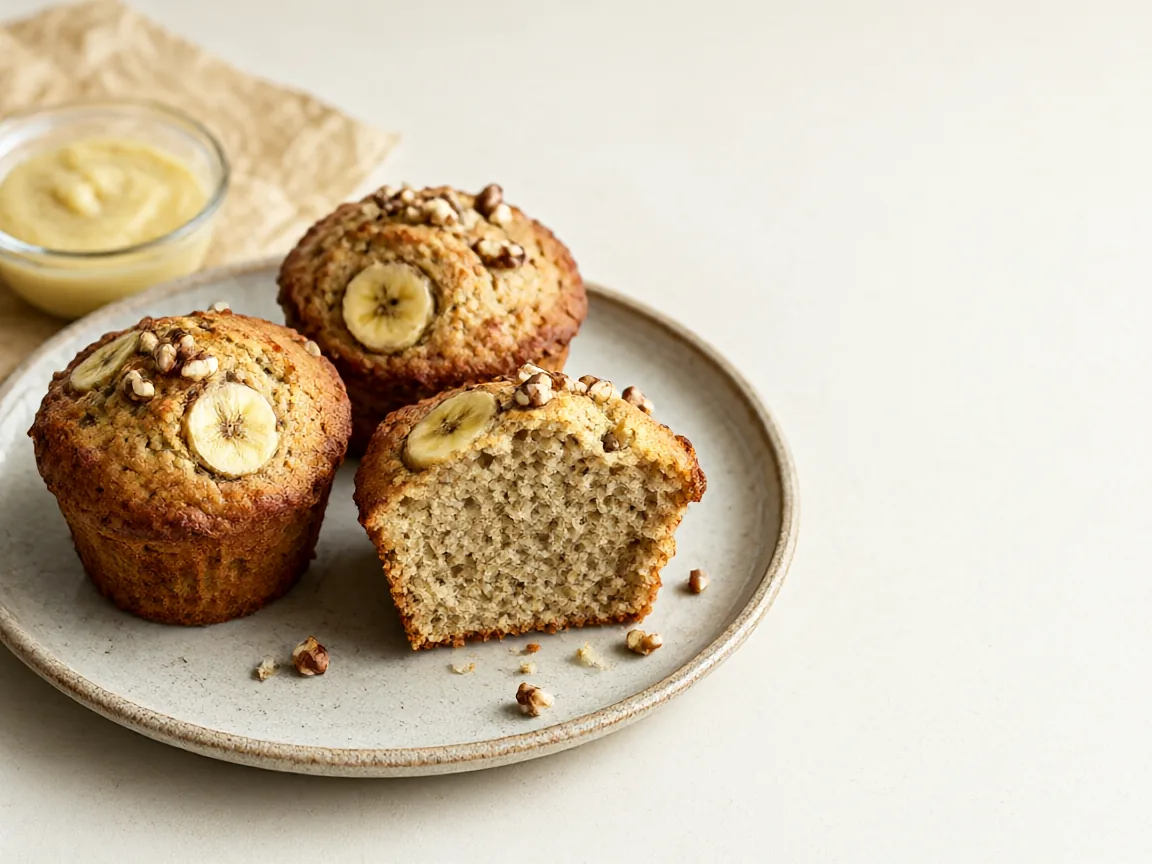
Is almond butter ketogenic? In most cases, plain almond butter can fit a ketogenic or low-carb eating pattern, but the serving size, ingredient list, and the rest of the meal still matter. Almonds provide fat, some protein, fiber, and a modest amount of carbohydrate. That combination makes almond butter more useful than many sweet spreads, while it also means that a large spoonful can add more carbohydrate and calories than expected.
This guide explains how to evaluate almond butter without relying on a blanket yes-or-no answer. You will see what to check on the label, how to estimate net carbs, which portions work well, how to use almond butter in meals, and when a different ingredient may be a better choice. The goal is a practical method you can repeat with any brand or recipe.
Why plain almond butter can fit a keto plan
Traditional almond butter is made by grinding roasted or raw almonds. A simple jar may contain only almonds and salt. Almonds are naturally lower in carbohydrate than grains, dried fruit, or sweetened spreads, and their fiber makes the digestible carbohydrate lower than the total carbohydrate number. They also bring a creamy texture that can make a low-carb breakfast or snack feel more satisfying.
However, “keto-friendly” does not mean carbohydrate-free. The nutrition values vary slightly between brands because of roasting, grind size, added ingredients, and serving definitions. A person following a very low daily carbohydrate target may use almond butter differently from someone following a more flexible low-carb plan. Treat the jar as a measured ingredient rather than an unlimited free food.
How to check whether a jar is a good choice
Start with the ingredient list. The most useful everyday option is usually almond butter with almonds as the first and primary ingredient, plus salt if desired. Watch for cane sugar, honey, maple syrup, molasses, dates, chocolate chips, sweetened coconut, or flavored syrups. These additions can turn a low-carb spread into a dessert-style product with a substantially higher sugar load.
Next, check the nutrition panel for the serving size. Many labels use two tablespoons, while some single-serve packets use a smaller amount. Compare total carbohydrate and fiber per serving. In regions where the label does not list net carbohydrates, a simple estimate is total carbohydrate minus dietary fiber. Sugar alcohols are not automatically interchangeable, so do not subtract them unless you understand the specific ingredient and how it affects your own plan.
Also look at the number of servings in the jar. A label may appear moderate per serving, but it is easy to eat two or three servings while spreading almond butter on a low-carb wrap or tasting it from the spoon. Portion awareness is more reliable than judging the product by its health halo.
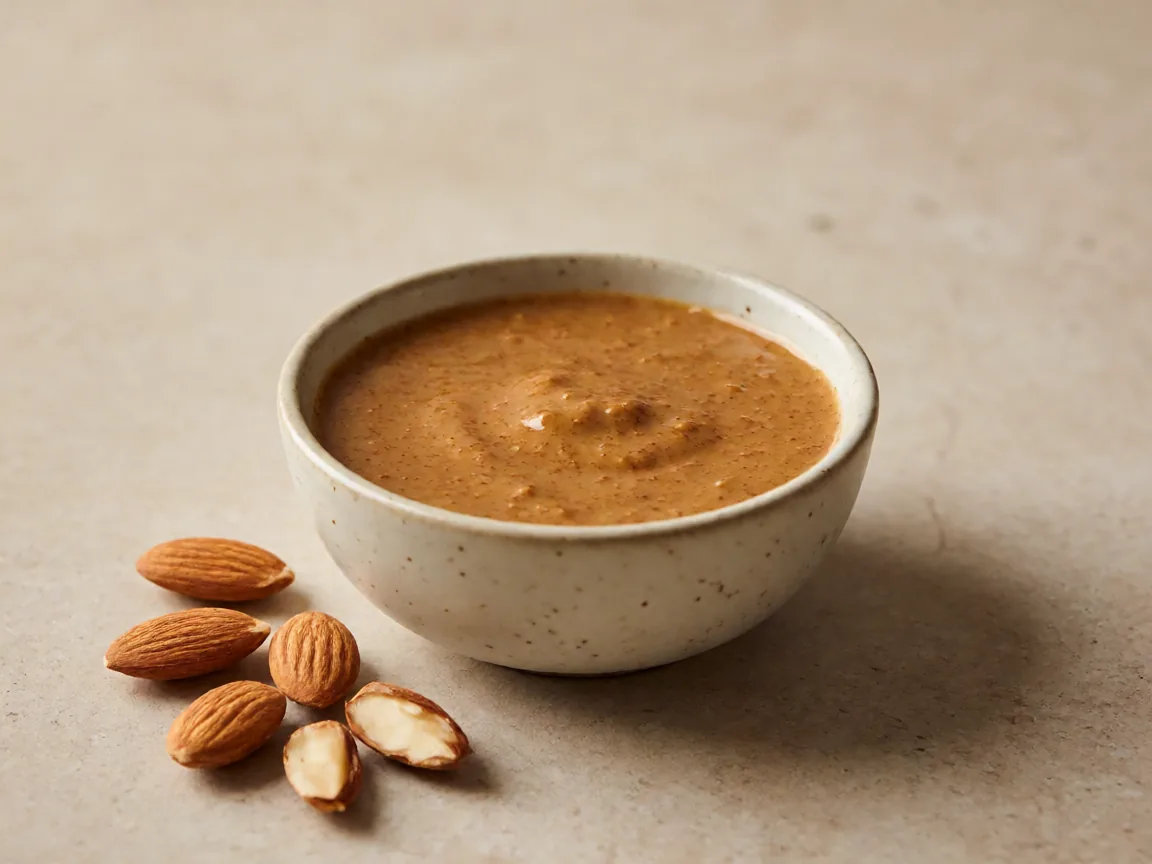
Net carbs, portions, and daily context
For many people, one measured tablespoon is an easy starting portion. It adds flavor without using as much of the day’s carbohydrate budget as a large, unmeasured scoop. Two tablespoons may still fit, but the answer depends on the label and the rest of the meal. If the almond butter is paired with berries, yogurt, a low-carb bread, or a smoothie, count the combined carbohydrate instead of looking at the spread in isolation.
A useful habit is to record the amount once with a measuring spoon or kitchen scale. After you know what one tablespoon looks like in your usual bowl or on your usual slice of bread, you can estimate more consistently. The goal is not to make every meal complicated; it is to avoid a gradual serving increase that goes unnoticed.
Daily context matters because ketogenic diets are not all set to the same carbohydrate limit. Someone aiming for a strict therapeutic plan may need a more precise calculation and professional guidance. Someone using a moderate low-carb approach may have room for a larger portion. If you manage diabetes, take glucose-lowering medication, have a nut allergy, or have been given a medically prescribed diet, discuss major dietary changes with a qualified clinician.
Best low-carb ways to use almond butter
Almond butter works best when it adds creaminess or structure to a meal rather than simply adding calories on top of it. Stir a small amount into plain Greek yogurt with cinnamon and a few berries. Whisk it with warm water, lime juice, tamari, and grated ginger for a quick sauce over roasted vegetables or chicken. Add a spoonful to a chia pudding base, provided the other ingredients fit your carbohydrate target.
For breakfast, spread a measured portion on a slice of low-carb bread and add a pinch of cinnamon or unsweetened coconut. If you are making bread at home, an almond-based recipe can provide a useful texture reference; see these almond meal bread keto ideas for a savory alternative. Almond butter also pairs well with eggs, cottage cheese, or a small portion of unsweetened yogurt when you want more protein alongside the fat.
For snacks, try celery, cucumber, or a few slices of crisp apple only if the apple fits your personal carbohydrate target. The vegetable options tend to make the portion feel larger without adding much carbohydrate. You can also use almond butter as a dip for roasted vegetables, but measure it before serving rather than leaving the jar on the table.
Almond butter in baking and meal preparation
In low-carb baking, almond butter contributes fat, moisture, and roasted flavor. It can help bind no-bake bites, soften a cookie dough, or make a sauce for a flourless cake. It does not behave exactly like almond flour. Almond flour is a dry ingredient with a different fat and fiber balance, while almond butter already contains ground nut solids suspended in oil. Substituting one for the other can make a recipe greasy, dense, or difficult to set.
If you are adapting a recipe, add almond butter gradually and keep track of the total amount. A recipe that makes twelve portions can look low in carbohydrate per serving, but a larger individual portion changes the calculation. For more ideas using the dry ingredient, browse these low-carb almond meal recipes and compare their texture with the spread-based recipes.
Meal preparation is easier when the jar is portioned ahead of time. Divide almond butter into small containers for yogurt, chia pudding, or vegetable dips. This keeps the texture consistent and makes the nutrition estimate easier to repeat. If oil rises to the top, stir the jar thoroughly before portioning so each serving has a more even mix of solids and oil.
Common mistakes that make almond butter less keto-friendly
The first mistake is choosing by the word “natural” alone. Marketing language does not tell you whether the product contains added sugar or whether the serving is realistic. Read the ingredients and nutrition panel every time you switch brands.
The second mistake is pairing almond butter with several carbohydrate sources at once. A smoothie may contain almond butter, banana, dates, oat milk, and sweetened protein powder. The nut butter is not the only factor. If you want a blended drink, use unsweetened liquid, ice, a low-carb protein source, and a small measured amount of almond butter, then check the full recipe.
The third mistake is treating almond butter as a replacement for a balanced meal. It provides energy and some protein, but it may not supply enough protein, vegetables, or micronutrient variety by itself. Pair it with foods that support the purpose of the meal. For example, a yogurt bowl can include plain yogurt for protein, a measured amount of almond butter for flavor, and a small amount of berries for freshness.
The fourth mistake is ignoring personal tolerance. Almonds are a common tree nut allergen, and some people experience digestive discomfort from large amounts of nuts or concentrated fiber. Stop using the product and seek appropriate medical advice if you notice signs of an allergic reaction. If the issue is only portion-related digestive discomfort, try a smaller amount and assess the rest of the meal.
How almond butter compares with other spreads
Peanut butter can also fit a low-carb plan when it is unsweetened and portioned. Its carbohydrate and protein profile is often similar enough that the label matters more than the marketing category. Seed butters, such as sunflower seed butter, can be useful for people avoiding tree nuts, but their texture and nutrition vary. Tahini brings a savory sesame flavor and works well in dressings, though it is not identical to almond butter in baking.
Sweetened nut spreads, cookie butter, and conventional fruit preserves are a different category. They may be appropriate in a higher-carbohydrate eating pattern, but they are usually harder to fit into a strict keto target. If you want a sweet note, cinnamon, vanilla, unsweetened cocoa, or a small amount of a suitable non-sugar sweetener can give flavor without automatically adding syrup or sugar.
For a practical comparison, look at the amount you will actually use, not just the nutrition per 100 grams. A spread with slightly different numbers may be the better choice if you can measure it easily, enjoy it without extra toppings, and use it in a balanced meal.
A simple almond butter decision checklist
- Read the ingredient list and choose an unsweetened product when possible.
- Check the serving size, total carbohydrate, and fiber on the nutrition label.
- Start with one measured tablespoon and adjust to your personal target.
- Count the complete meal, including bread, fruit, yogurt, sauces, or smoothie ingredients.
- Pair the spread with protein and low-carb produce instead of using it as the whole meal.
- Store the jar according to its label, stir separated oil carefully, and use clean utensils.
If you are building a recipe collection, keep almond butter in the ingredient section and connect it to the main low-carb recipes hub. You can also compare it with a flour-based almond recipe such as this almond flour keto recipe to see how different forms of almonds change texture and portion size.
FAQ
Can I eat almond butter every day on keto?
Many people can include a measured serving regularly, but the right amount depends on the product label, your total daily carbohydrate target, energy needs, and how the rest of the meal is built. Variety is still useful, so rotate with other protein and fat sources.
Is almond butter better than peanut butter for keto?
Neither is automatically better. Compare unsweetened versions using the label, serving size, personal preference, and allergy needs. The spread you can portion consistently and enjoy without sugary additions may be the most practical choice.
Does almond butter break ketosis?
A measured serving of plain almond butter is unlikely to be the sole reason a person leaves ketosis, but total carbohydrate intake varies by person and by daily target. Large portions or sweetened products can contribute meaningful carbohydrate, so count them as part of the full day.
Should almond butter be refrigerated?
Follow the storage directions on the jar. Some natural products recommend refrigeration after opening, while stabilized products may be stored in a cool, dry place. Use clean utensils and check for changes in smell, flavor, or appearance.
The short answer is that plain, unsweetened almond butter can be ketogenic-friendly when the portion and the full meal are accounted for. Choose a simple product, measure the amount, use it to add texture to a balanced low-carb meal, and let your personal carbohydrate target guide the final decision.