Bacon keto recipes can add smoky flavor and a crisp texture to lower-carbohydrate meals, but bacon works best as a measured ingredient rather than the entire meal. A small amount can season eggs, salads, vegetables, soups, and skillet dishes. Pairing it with protein and non-starchy vegetables creates a more balanced plate than eating a large serving of bacon by itself.
This guide focuses on practical ways to use bacon in a keto-style routine. It covers how to choose and cook bacon, several breakfast and dinner recipes, vegetable pairings, portion planning, sodium and saturated fat considerations, storage, substitutions, and common cooking problems. The recipes are flexible enough for different brands and thicknesses, but the nutrition estimate should always use the product you actually buy.
Can bacon fit a keto meal plan?
Plain bacon contains very little carbohydrate, so it can fit many lower-carbohydrate meal patterns. The ingredients added to bacon are what often change the carbohydrate content. Maple-flavored bacon, brown sugar cures, sweet glazes, barbecue sauces, and breaded bacon dishes may contain more sugar or starch than expected. Read the label and choose a portion that fits the rest of the plate.
Low carbohydrate does not mean unlimited. Bacon is energy-dense and can be high in sodium and saturated fat. If you are managing blood pressure, cholesterol, heart disease, or another medical condition, follow the advice of your healthcare professional. For everyday meal planning, use bacon to add flavor and texture, then fill most of the plate with vegetables and a suitable protein.
Different bacon cuts vary in thickness, fat, salt, and serving size. Thick-cut bacon may shrink less but contain more energy per slice. Turkey or center-cut bacon may have a different fat profile but is not automatically lower in sodium. Compare labels and count the actual serving.
How to cook bacon for recipes
For even cooking, place bacon in a cold skillet and turn the heat to medium. The gradual heat allows fat to render before the outside becomes too dark. Turn the strips as needed and remove them when they reach the level of crispness you prefer. Drain on a rack or paper towel, reserving a small amount of rendered fat if you plan to cook vegetables in the same pan.
Oven cooking is useful when you need several servings. Arrange the strips in a single layer on a lined sheet pan and bake at 400°F, or 205°C, until browned and crisp. Cooking time depends on thickness. Start checking early because sugar-cured bacon can darken quickly. Let the bacon cool before chopping so the pieces remain crisp.
Save bacon fat carefully if you use it. Strain it into a heat-safe container and refrigerate it, then use a small amount to flavor vegetables or eggs. Do not assume the rendered fat is a free ingredient; it still contributes energy, and a little is usually enough.
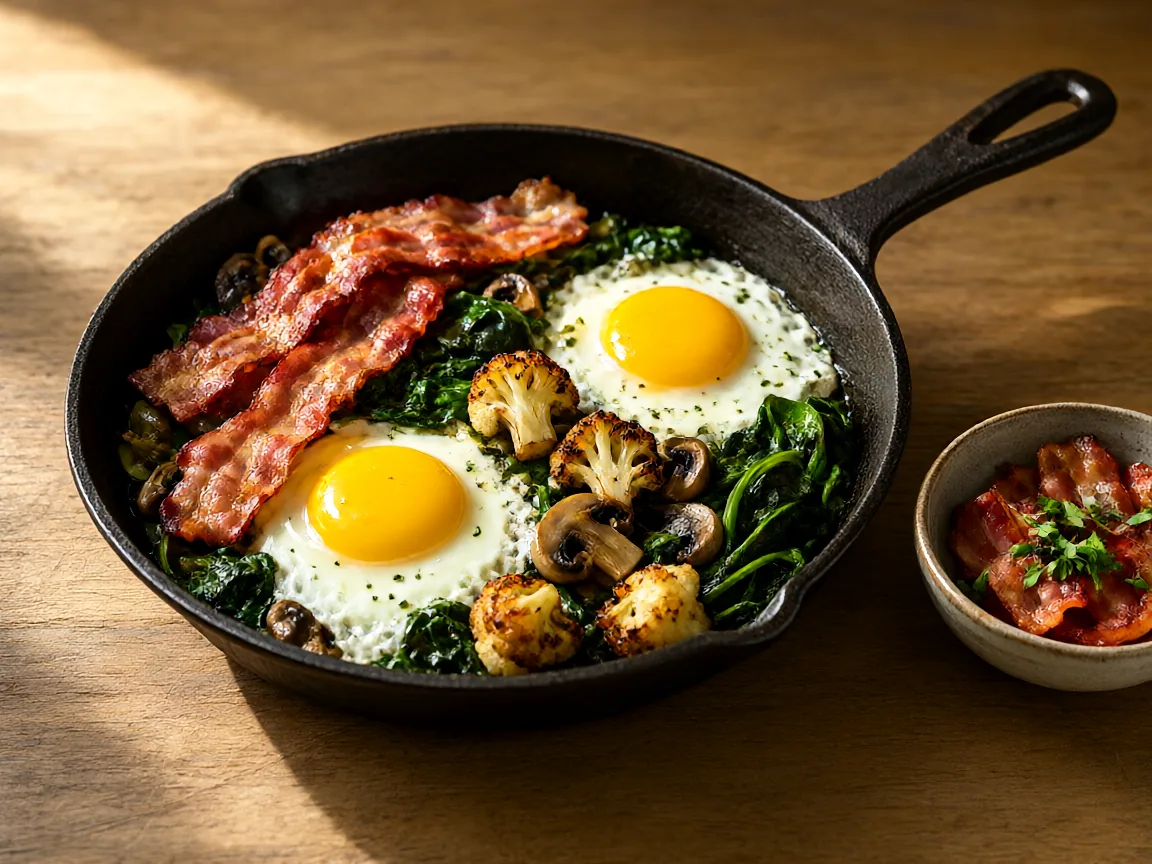
Recipe 1: Bacon and egg breakfast cups
For six breakfast cups, line six wells of a muffin pan with partially cooked bacon strips. The bacon should be flexible rather than fully crisp because it will cook again in the oven. Whisk six eggs with pepper, chopped spinach, scallions, and a small amount of grated cheese. Pour the mixture into the bacon-lined wells, leaving room for the eggs to puff.
Bake at 375°F, or 190°C, until the centers are set, usually about fifteen to twenty minutes. Let the cups rest for five minutes before removing them. Use a small amount of cheese because the bacon already contributes salt and richness. Mushrooms, broccoli, or diced bell pepper can be added if they are cooked and drained first.
These cups are useful for meal preparation, but the texture is best when reheated gently. Store them in the refrigerator and warm them in a toaster oven or microwave just until heated. Overheating can make the eggs rubbery and the bacon soft.
Recipe 2: Bacon, lettuce, and tomato salad
For two servings, combine chopped romaine or mixed greens with a measured amount of cooked bacon, cucumber, a small portion of tomato, and sliced boiled egg or grilled chicken. Make a dressing from lemon juice, olive oil, mustard, and pepper. Add the dressing just before serving so the lettuce stays crisp.
This is a lower-carbohydrate interpretation of a BLT. Use cucumber or radish for extra crunch, and keep the tomato portion appropriate for your daily target. A large amount of mayonnaise-based dressing can make the salad heavy, so start with a small amount and add more only if needed.
If you need a portable lunch, pack the bacon separately and scatter it over the salad at mealtime. This preserves the crisp texture and prevents the greens from absorbing the bacon fat.
Recipe 3: Bacon-wrapped asparagus
Trim asparagus spears and group three or four together. Wrap each bundle with half a bacon strip, securing the seam underneath. Roast at 400°F, or 205°C, until the bacon is browned and the asparagus is tender. Thick bacon may need a short pre-cook so the asparagus does not overcook while the bacon finishes.
Finish with lemon zest, black pepper, or a small amount of parmesan. Avoid adding extra salt before tasting because bacon can season the entire bundle. Serve one bundle with grilled chicken, salmon, or eggs and add a plain vegetable side if you want more volume.
Asparagus releases water as it cooks, so dry the spears before wrapping them. Use a sheet pan with space around each bundle. Crowding creates steam and makes the bacon less crisp.
Recipe 4: Bacon cauliflower chowder
Cook chopped bacon in a soup pot until the fat renders. Remove some of the bacon for the topping and leave a small amount of fat in the pot. Add chopped celery, a modest amount of onion, and cauliflower florets. Stir for several minutes, then add unsalted broth and simmer until the cauliflower is soft.
Blend part or all of the soup. Add a measured splash of heavy cream, unsweetened coconut milk, or cream cheese for body. Return the reserved bacon to the bowls rather than simmering all of it in the soup, which keeps the texture more interesting. Season with pepper, thyme, or smoked paprika.
Onion and dairy contribute some carbohydrate, so include them in your estimate. The soup does not need flour or potato to become creamy. Blended cauliflower provides enough thickness when it is cooked until tender.
Recipe 5: Bacon cheeseburger skillet
Brown ground beef in a skillet, then add chopped cooked bacon, mushrooms, spinach, and a small amount of diced onion. Season with garlic powder, black pepper, and mustard. When the vegetables are tender, reduce the heat and add grated cheddar or another cheese. Cover briefly until the cheese melts.
Serve the skillet over shredded lettuce, cauliflower rice, or roasted zucchini. Add pickles if you like a sharp flavor, checking the label for added sugar. A small amount of tomato can be included, but the meal does not need a sweet ketchup-based sauce.
Because the beef, bacon, cheese, and cooking fat are all rich, use a leaner ground beef or drain some fat before adding the vegetables. The goal is a flavorful skillet with a defined portion, not a pan full of oil.
Recipe 6: Bacon cabbage skillet
Cook chopped bacon until lightly crisp, then add sliced cabbage and mushrooms. Stir-fry until the cabbage is tender around the edges but still has some bite. Add garlic, ginger, black pepper, and a splash of vinegar. If you want an Asian-inspired flavor, use a small amount of tamari and scallions.
This is a useful side for chicken, pork, eggs, or shrimp. Keep the sauce measured because bacon already provides salt. If the cabbage releases a lot of water, remove the lid and increase the heat briefly so the liquid can evaporate.
For more vegetable-centered ideas, see the low-carb Asian recipes collection. A small amount of bacon can be used as a flavor accent in stir-fries rather than as the main protein.
Recipe 7: Bacon and shrimp lettuce cups
Cook shrimp quickly in a skillet with garlic and lime. Add finely chopped bacon at the end so it stays crisp. Spoon the mixture into butter lettuce leaves and top with cucumber, cilantro, and a measured sauce. A simple sauce of lime, fish sauce, chili, and water works well.
Drain the shrimp before filling the lettuce so the leaves do not become watery. Use a small amount of bacon for texture and let the shrimp provide most of the protein. If you want a warmer meal, serve the filling over cauliflower rice instead.
Recipe 8: Bacon and broccoli frittata
Cook chopped bacon and set it aside. Steam or sauté broccoli until nearly tender, then whisk eggs with pepper, herbs, and a modest amount of cheese. Add the broccoli and bacon to an oven-safe skillet, pour in the eggs, and cook over low heat until the edges set. Finish under the broiler or in the oven until the center is firm.
Let the frittata rest before slicing. This makes it easier to serve and allows the eggs to finish setting. Use leftover roasted vegetables if you have them, but dry them first so the frittata is not watery.
Flavor combinations for bacon
- Breakfast: eggs, spinach, mushrooms, chives, and black pepper.
- Fresh: lettuce, cucumber, tomato, lemon, and herbs.
- Comforting: cauliflower, broccoli, cheese, and smoked paprika.
- Bright: shrimp, lime, cilantro, chili, and scallions.
- Rustic: cabbage, garlic, vinegar, and roasted chicken.
- Sweet-savory: use a very small amount of a no-sugar sweetener with mustard, but avoid relying on sugary glaze.
Bacon tastes intense, so it usually needs an acidic or fresh element. Lemon, vinegar, pickles, leafy greens, and herbs keep a meal from feeling too heavy. If the dish already includes cheese or cream, use less bacon or choose a lighter topping.
Substitutions
Turkey bacon, pancetta, prosciutto, or diced ham can replace bacon, but each product has a different fat and sodium profile. Some cured meats contain added sugar, so read the label. For a non-pork option, use smoked turkey or chicken strips, but expect a different texture and amount of rendered fat.
If you do not eat meat, smoked mushrooms, tempeh bacon, toasted coconut, or smoked paprika can add some of the same savory and smoky qualities. These substitutes are not nutritionally identical and may contain more carbohydrate, so check the package. A small amount of smoked salt or liquid smoke can provide flavor, but use it carefully.
For a crisp topping without bacon, try toasted seeds or chopped nuts. These add energy and may not be lower in calories, but they can provide texture with a different ingredient profile.
If you use almond meal for a crisp topping or coating, see the low-carb almond meal recipes collection for additional ideas. Measure the topping because nuts and seeds can add energy quickly.
Nutrition and portion planning
Count the bacon, protein, vegetables, cheese, oil, cream, sauces, and any sweetener in the full recipe. Bacon may contribute little carbohydrate but can add a significant amount of fat and sodium. Divide the dish into planned servings rather than eating from the pan.
A practical plate often includes a modest amount of bacon, a larger portion of non-starchy vegetables, and a protein that suits the meal. Eggs, chicken, fish, shrimp, tofu, or lean beef can provide structure. If the recipe already includes cheese and cream, use bacon as a garnish rather than adding several slices to each serving.
Nutrition values vary by brand and thickness. Use the package label for the bacon you buy. If you are managing blood pressure, cholesterol, blood glucose, or another condition, follow personalized guidance from your healthcare professional.
For more appliance-based meal ideas, the air fryer low-carb recipes collection can help with crisp vegetables and proteins. Add bacon carefully because its fat can drip and smoke at high heat.
Storage and reheating
Cooked bacon keeps well in the refrigerator for several days when sealed and chilled promptly. Store it separately from salads and vegetables if you want it to remain crisp. Reheat it briefly in a skillet, oven, or toaster oven. A microwave is convenient but can soften the texture, so use it only until warmed.
Breakfast cups, frittatas, and soups can be prepared in advance. Keep crisp bacon aside and add it after reheating. For salads, pack bacon separately and combine it at mealtime. This also makes it easier to control the portion.
Freezing cooked bacon is possible, especially when it will be crumbled into eggs or soup. Freeze it in small portions and thaw or reheat only what you need. Do not refreeze food that has been repeatedly warmed and cooled.
Common problems and fixes
- Soft bacon: use a rack or drain it well, and keep it separate from wet foods until serving.
- Burned edges: lower the heat, use a cold-pan start, or check thick bacon earlier than the recipe time.
- Greasy dish: drain some rendered fat and use a larger amount of vegetables to balance the richness.
- Too salty: avoid adding salt to the vegetables, use an acidic finish, and choose unsalted broth or cheese.
- Watery skillet: cook uncovered so vegetable moisture can evaporate before adding sauce or cheese.
- Rubbery eggs: cook gently and reheat only until warm.
Use bacon to season the meal rather than treating it as the only source of flavor. Garlic, herbs, acid, pepper, chili, and smoked spices can make a small portion taste complete. Keeping those elements in balance makes the recipes easier to repeat.
How bacon fits a low-carb routine
Bacon keto recipes are most useful when they add a savory accent to meals that already contain vegetables and an appropriate protein. Use a small amount in a frittata, crumble it over a salad, wrap a vegetable bundle, or stir it into cabbage. This provides variety without making every meal dominated by cured meat.
The low-carb recipes hub can help you rotate bacon meals with fish, chicken, eggs, vegetables, and other proteins. If weight management is part of your goal, compare the total meal rather than focusing only on the fact that bacon is low in carbohydrate.
FAQ
Is bacon allowed on keto?
Plain bacon can fit many keto-style plans because it contains little carbohydrate, but check the label for sugar and choose a portion that fits your sodium, fat, and overall energy needs.
Is turkey bacon healthier?
It depends on the brand and your goals. Turkey bacon may have a different fat profile, but sodium and added ingredients vary. Compare the nutrition panels rather than assuming one product is always better.
How much bacon should I add to a recipe?
Start with a modest amount for flavor and texture, then divide it across the planned servings. A small crumble can season a salad or frittata without turning the entire meal into a high-energy dish.
Can I cook bacon in an air fryer?
Yes, but use a moderate temperature, avoid overcrowding, and check for dripping fat or smoke. Follow your appliance instructions and keep the bacon separate from foods that need a dry, crisp surface.
What can replace bacon in a recipe?
Try smoked mushrooms, turkey, prosciutto, tempeh bacon, toasted seeds, or smoked paprika. Each replacement changes the nutrition and texture, so check labels and adjust the cooking method.
Bacon keto recipes are easiest to manage when bacon is used for flavor, crunch, and aroma while vegetables and protein provide most of the meal. Choose a product with a label that suits your needs, cook it carefully, measure the portion, and balance its richness with acid and fresh ingredients. Those habits make bacon a useful accent in practical lower-carbohydrate breakfasts, salads, skillets, soups, and vegetable dishes.