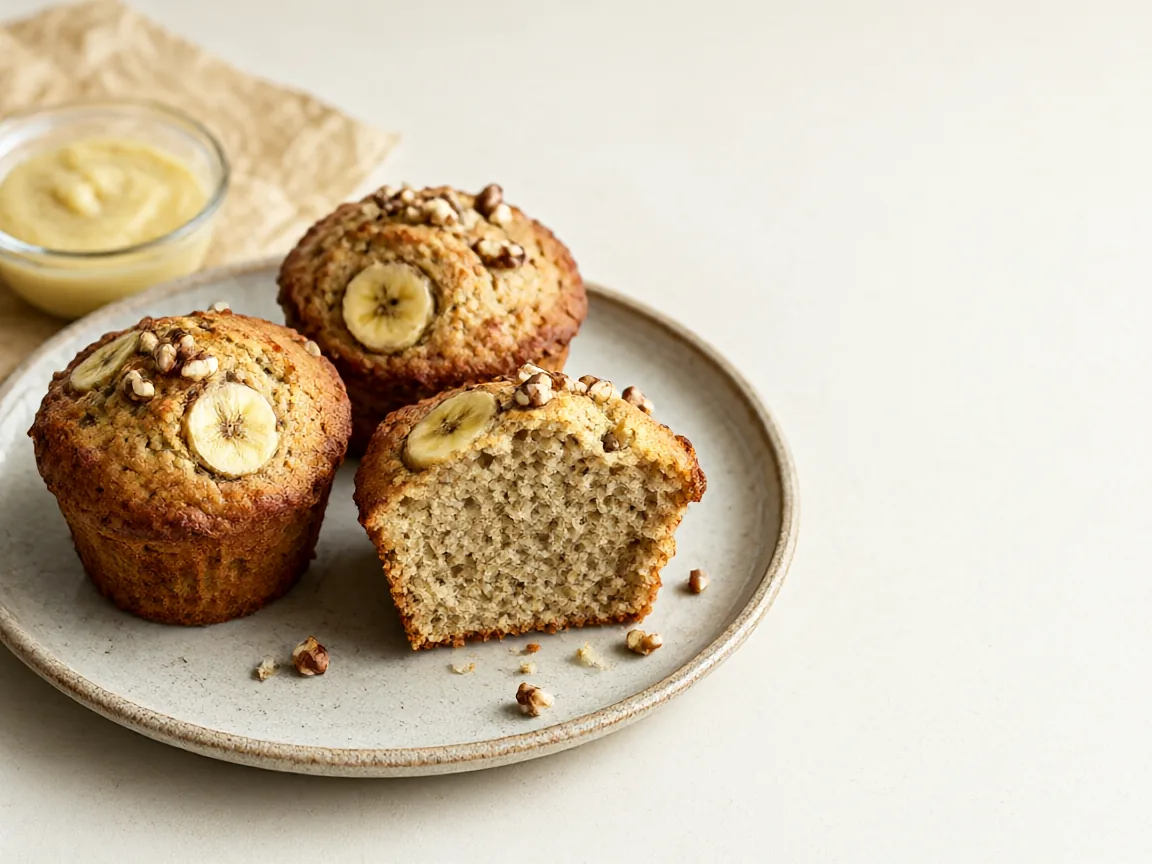
Keto baking goods are not limited to one kind of bread substitute. A well-planned low-carb baking shelf can include muffins, cookies, quick breads, crackers, snack bars, pizza-style bases, and simple cakes. The best results come from understanding how each ingredient behaves rather than swapping wheat flour for a single alternative and expecting the same crumb. Almond flour contributes moisture and richness, coconut flour absorbs liquid quickly, eggs provide structure, and binders such as psyllium or ground flax help hold a slice together.
This guide explains how to choose ingredients, balance a batter, improve texture, store baked goods, and build a practical rotation. It also includes several flexible formulas and troubleshooting notes. If you want to move from general principles to specific dishes, start with the low-carb recipe hub and use the method that matches the texture you want.
What makes a baking good keto-friendly?
A keto-friendly baking good usually replaces wheat flour and added sugar with ingredients that contain fewer digestible carbohydrates per serving. That does not make every product automatically light or unlimited. Almond flour, butter, cheese, coconut, seeds, and nut butters can be energy-dense, while sweetener blends may contain fillers. Read labels and calculate the final serving rather than judging a recipe only by its name.
Net carbohydrate is commonly estimated by subtracting fiber from total carbohydrate, but labels and local regulations differ. For a recipe you make often, add the carbohydrate and fiber values for the exact brands you use, divide by the number of portions, and include toppings or fillings. This approach is more useful than relying on a generic number, especially when changing flour, dairy, or sweetener.
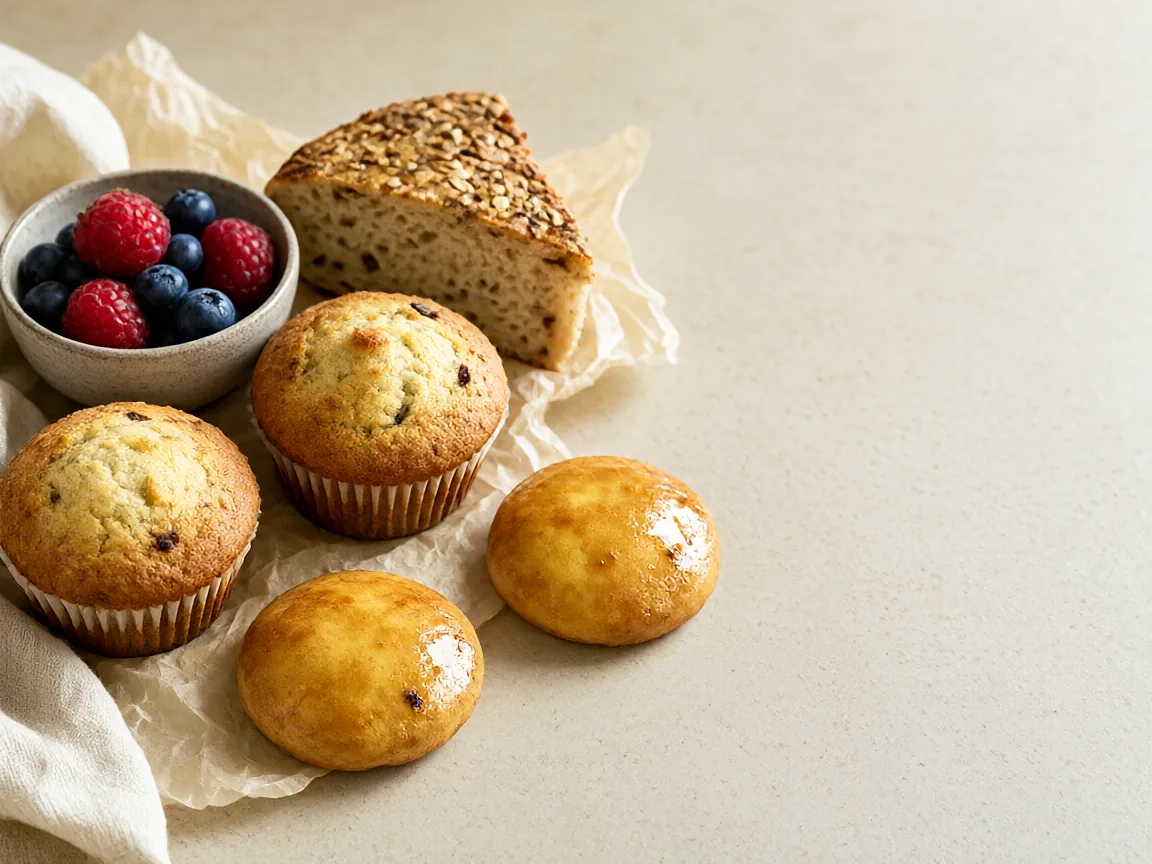
Build a useful keto baking pantry
Almond flour
Finely ground blanched almond flour is the most versatile starting point for muffins, cookies, cakes, and quick breads. It adds fat and a mild nutty flavor, but it does not form the elastic gluten network found in wheat flour. Batter made with almond flour can look wetter than a wheat batter before baking and may need a longer cooling period to set. A coarse almond meal gives a more rustic, sandy texture and is better suited to some crusts than delicate cakes.
Coconut flour
Coconut flour absorbs far more liquid than almond flour. It is useful when you want a light, dry crumb, but it cannot usually replace almond flour cup for cup. A small amount can thicken muffins or pancakes, yet too much creates a dry, eggy result. Add it gradually and allow the batter to stand for several minutes before deciding whether more liquid is needed.
Psyllium, flax, and chia
These ingredients help bind water and improve flexibility. Psyllium is useful in bread, rolls, and pizza bases because it can create a sliceable structure. Ground flax adds an earthy flavor and can make a cookie or cracker more cohesive. Chia absorbs water more slowly and creates a gel, so it is best used in recipes designed for it. Measure binders carefully; too much can make a baked good gummy or heavy.
Eggs and dairy
Eggs provide protein and lift, while cream cheese, mozzarella, butter, sour cream, and Greek yogurt add moisture and flavor. Dairy also changes browning, so a batter with cheese or cream can darken before the center is finished. Room-temperature eggs blend more smoothly with softened butter and cream cheese. When a recipe calls for a cold ingredient, follow the instruction because temperature affects both the structure and the mixing time.
Low-carb sweeteners
Allulose tends to stay soft and blends well in sauces, cakes, and caramel-style desserts. Erythritol can create a cooling sensation or crystals as it cools, especially in frostings and chilled bars. Monk fruit and stevia are often combined with another sweetener to provide bulk. Powdered forms dissolve more easily in smooth fillings, while granulated forms can provide useful texture in some cookies. Always check the label and taste the batter before baking when the ingredients are safe to sample.
How to choose the right texture
Start by deciding what the finished product needs to do. A sandwich bread should be sturdy enough to slice and flexible enough to hold a filling. A muffin should be tender and moist but not wet in the center. A cookie can be crisp, chewy, or soft, and each goal needs a different balance of fat, binder, and baking time. A cracker needs low moisture and even rolling, while a snack bar needs enough cohesion to be cut without crumbling.
Use a scale for flour and nut meals when possible. Cup measurements vary depending on how tightly the flour is packed. Weighing helps you repeat a recipe and makes substitution easier. If a batter seems unusually thick or loose, allow the binder to hydrate for five minutes before changing the formula. Adding more flour immediately can result in a dry product once the psyllium, coconut flour, or flax finishes absorbing liquid.
Formula 1: tender almond-flour muffins
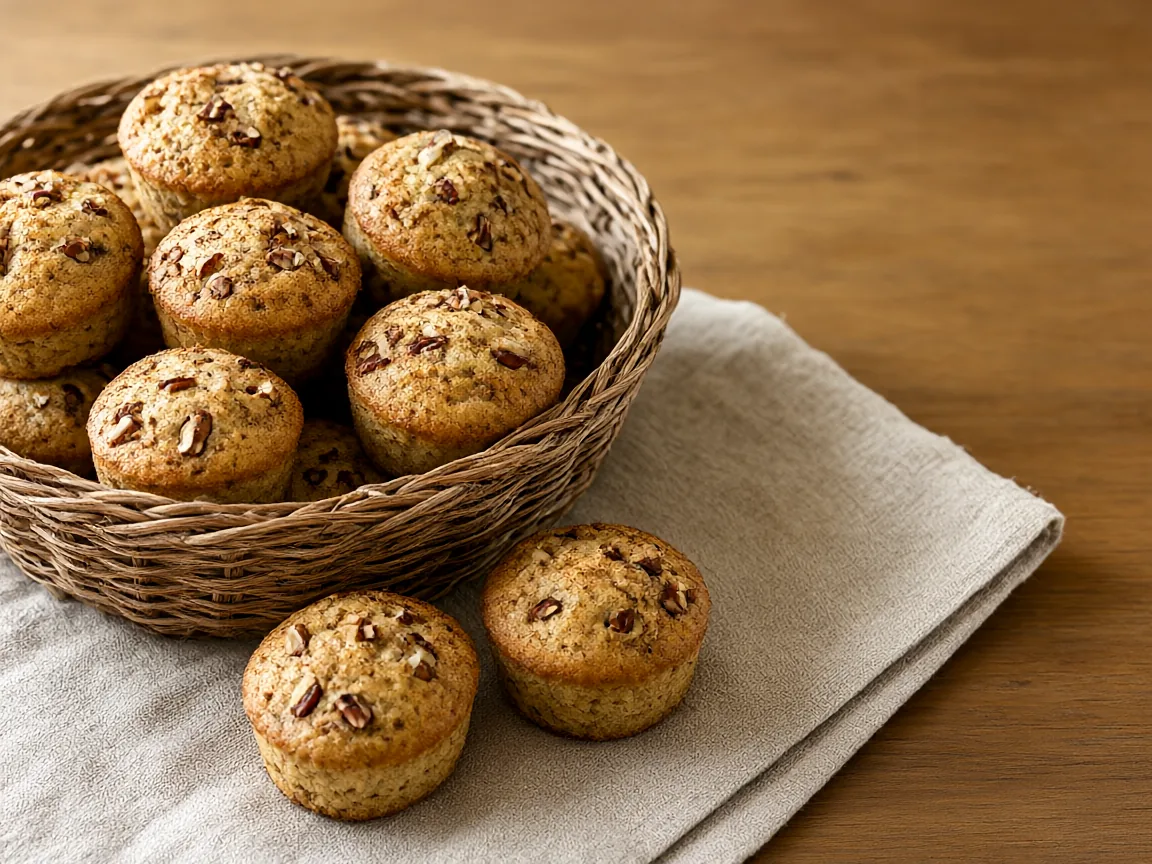
For six medium muffins, whisk 1 1/2 cups finely ground almond flour with 2 teaspoons baking powder, a pinch of salt, and a low-carb sweetener suited to your taste. In another bowl, beat two eggs with 1/3 cup melted butter, 1/4 cup sour cream, and vanilla. Combine the wet and dry mixtures, fold in a small handful of berries or chopped pecans, and rest the batter for five minutes. Divide into lined cups and bake at 350°F (175°C) until the tops are set and a toothpick comes out with a few moist crumbs.
Do not overfill the muffin cups because almond-flour batter can spread before it rises. Let the muffins cool in the pan for 10 minutes, then move them to a rack. If the centers seem soft, wait until they are fully cool before deciding that the recipe failed. Chilling can firm the crumb, although a muffin that is genuinely wet in the middle needs a little more baking time next batch.
Formula 2: sliceable almond-meal bread
A basic quick bread can be made with almond flour, eggs, a small amount of psyllium, baking powder, salt, and a liquid such as unsweetened almond milk or sour cream. The batter should be thick enough to mound in the pan but not so stiff that it cannot level itself. Bake in a lined loaf pan until the top is golden and the center reaches a set, springy texture. Cool completely before slicing because the crumb continues to stabilize as steam escapes.
For a more detailed comparison of moisture and structure, see these keto almond-meal bread recipes. Add herbs, grated cheese, seeds, or a small amount of chopped olives after the basic method works. Keep wet additions modest; vegetables and cheese can release water and make the center dense.
Formula 3: crisp and soft keto cookies
For soft cookies, cream butter with powdered sweetener, then add egg and vanilla before folding in almond flour, baking powder, and a pinch of salt. Chill the dough briefly, scoop it into even portions, and flatten each piece slightly because low-carb dough often spreads less than wheat dough. Bake just until the edges are set. The centers will firm as the cookies cool.
For crisp cookies, roll the dough thinner, use less moisture, and bake a little longer at a moderate temperature. Let the cookies cool on the tray before transferring them. A short second bake at low heat can remove extra moisture, but watch the edges closely because almond flour browns quickly. Add unsweetened coconut, chopped nuts, cocoa, or a measured amount of dark chocolate according to the flavor you want.
Formula 4: seed crackers
Combine ground flax, chia, sesame, pumpkin seeds, salt, and enough water to make a spreadable paste. Rest the mixture until the flax and chia have absorbed the liquid, then spread it very thinly between sheets of parchment. Score into squares and bake at a low to moderate temperature until the center is dry. Separate the pieces and return them to the oven for a few minutes if the middle is still flexible.
Thin, even rolling is more important than the exact seed combination. Thick areas stay chewy while the edges burn, so use a ruler or the edge of a tray to guide the thickness. Store crackers only after they are completely cool. Any residual steam will soften them in a sealed container.
Substitutions that usually work
Sunflower seed flour can often replace almond flour in a similar amount, although it can produce a darker color and a more savory flavor. Pecan flour adds richness but may make the product more fragile. If you need a nut-free option, combine sunflower flour with a measured binder and test a half batch first. For a broad selection of almond-based ideas, compare these low-carb almond meal recipes and note how each formula handles liquid and resting time.
Coconut flour is best introduced as a partial substitution rather than a direct replacement. If a recipe uses one cup of almond flour, replacing a small portion with coconut flour may require another egg or additional liquid, but the exact amount depends on the recipe. Make one change at a time and record the result. The same is true for ground flax, protein powder, or shredded cheese: each changes how quickly the batter absorbs moisture.
Common problems and fixes
Dry, crumbly texture: Too much flour, too little fat, overbaking, or slicing before cooling can all contribute. Weigh the dry ingredients, check the oven temperature, and allow the product to cool fully. A spoonful of sour cream or cream cheese may improve the next batch, but it is better to adjust one variable at a time.
Gummy center: A thick loaf may need longer baking, while a muffin may simply need more cooling. Check whether the binder was measured accurately and whether wet vegetables or fruit were added. If the top is browning too quickly, cover it loosely with foil and continue baking until the center is set.
Flat baked goods: Old baking powder, overmixed batter, or a pan that is too wide can reduce height. Mix only until the ingredients are combined and use the pan size specified. Eggs provide some lift, but they cannot fully compensate for a missing leavener.
Greasy surface: Too much butter or cheese can separate during baking. Let melted butter cool slightly before mixing, and avoid adding a large amount of oil to a formula that already contains nut flour. A greasy result can also indicate that the oven temperature is too low for the structure to set before the fat separates.
Bitter aftertaste: Excess baking soda, a strong sweetener, or burnt nuts can dominate the flavor. Measure small leaveners precisely and toast nuts lightly. Vanilla, salt, citrus zest, and cocoa can add balance, but they cannot hide a badly scorched ingredient.
Using an air fryer for keto baking
An air fryer is useful for small batches because it heats quickly and can crisp the outside of muffins, rolls, crackers, and reheated slices. Use a lower temperature than a full-size oven if the appliance runs hot, and check early. Small silicone cups work for muffins, while parchment can be used for crackers only when it is held down by the food.
Do not crowd the basket. Air circulation helps the surface brown evenly, and overlapping pieces create soft sides. For more appliance-specific ideas, see these air fryer low-carb recipes. If you are reheating bread, a short warm cycle is usually enough; a long cycle dries the almond flour crumb.
Storage and freezing
Cool baked goods completely before sealing them. Warm food releases steam, and trapped moisture can make cookies soft, bread gummy, and crackers stale. Keep muffins and quick breads in an airtight container for a day at room temperature or several days in the refrigerator. Slice bread before freezing so you can remove only what you need.
Cookies freeze well when layered with parchment. Wrap muffins individually or freeze them on a tray before transferring them to a bag. Thaw bread in the refrigerator or toast it directly from frozen. Crackers should be stored in a dry container at room temperature; refrigeration often introduces moisture and reduces their crispness.
How to plan a weekly baking rotation
Choose one item for breakfast, one portable snack, and one flexible base. A batch of muffins can cover several mornings, crackers can accompany dips, and bread can become toast or a sandwich. Baking fewer types at once keeps ingredients fresh and makes portion planning easier. Record the yield, the brand of flour, and the storage method so you know which recipes remain enjoyable after two or three days.
Use toppings to create variety without changing the whole base. Add cinnamon and pecans to muffins, herbs and cheese to bread, or cocoa and coconut to cookies. Keep the base formula stable while changing one flavor element. This makes it easier to find combinations that have the right moisture and sweetness for your kitchen.
Nutrition and portion notes
Keto baking goods can be lower in digestible carbohydrate while still being rich in calories, fat, and protein. Nut flours, butter, cheese, seeds, and nut butters all contribute energy. Calculate nutrition using the final number of portions, not just the number intended by the recipe. A large muffin and a mini muffin are not interchangeable servings.
If you monitor carbohydrate intake for a medical reason, check the ingredient labels and the sweetener details. Fiber and sugar alcohols are handled differently across products, and personal tolerance varies. This guide is for general food planning and does not replace individualized medical or dietary advice.
Frequently asked questions
Can I use almond meal instead of almond flour?
You can in rustic breads, crackers, and some cookies, but the result will be more textured. A fine flour is usually better for cakes and muffins. If using meal, weigh it and expect to adjust the liquid only after the batter has rested.
Why do keto baked goods need more cooling time?
Without a wheat gluten network, the crumb often depends on eggs, fats, binders, and steam loss to finish setting. Cutting while warm can compress the center and make it seem underbaked. Let loaves rest fully, and give muffins at least 20 minutes before judging the texture.
Can I make recipes dairy-free?
Many formulas can be adapted with plant-based butter, yogurt, or cream alternatives, but the water content varies by brand. Test a small batch and avoid changing the flour, sweetener, and dairy at the same time. A dairy-free mixture may need a different binder or baking time.
How can I reduce the cooling sensation from erythritol?
Use a blend with allulose, choose powdered erythritol, and balance the flavor with vanilla, salt, cocoa, or citrus. Cooling is most noticeable in frostings, chilled desserts, and large amounts of sweetener. A small amount of allulose can improve softness as well.
What is the easiest first recipe?
Soft muffins are usually forgiving because eggs and dairy provide moisture and the individual portions bake quickly. Once you can recognize the correct batter thickness and cooling stage, move on to bread, cookies, and crackers.
Final checklist for better keto baking goods
Choose the texture before choosing the flour. Weigh almond flour and other dry ingredients, remember that coconut flour absorbs quickly, and give psyllium or flax time to hydrate. Use room-temperature ingredients when the recipe calls for a smooth batter, avoid overmixing, and check the center rather than relying only on a browned top. Cool completely before slicing or sealing, and calculate the final serving from the actual yield.
The most reliable low-carb baking routine is built through small, repeatable batches. Keep a note of your flour brand, pan size, oven temperature, sweetener, and storage method. With those details recorded, keto baking goods become more than occasional substitutes: they become a flexible set of muffins, breads, cookies, crackers, and dessert bases that can fit into a practical weekly plan.