No Sugar Low Carb Recipes
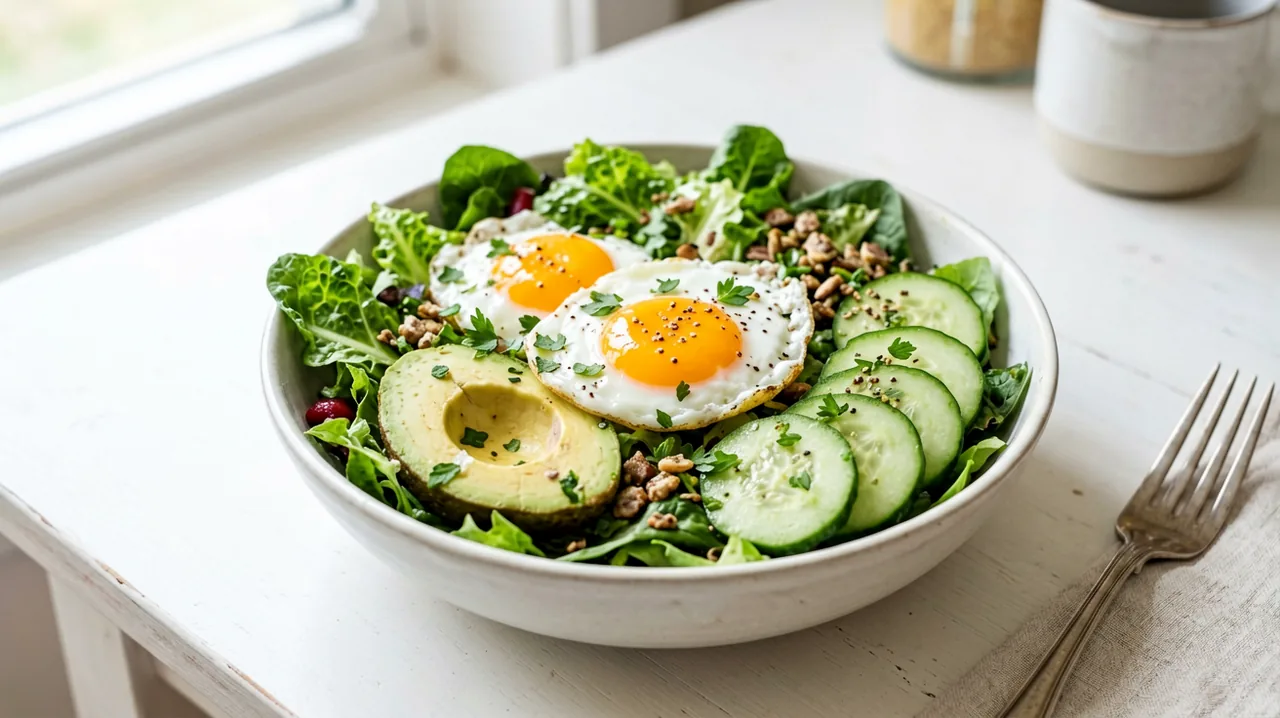
No sugar low carb recipes are easiest to sustain when they are built around flavor, texture, and enough protein rather than only restriction. A savory bowl can combine eggs or another protein with vegetables, avocado, and a sharp dressing.
Start with naturally flavorful foods
Eggs, fish, chicken, tofu, leafy greens, cucumber, mushrooms, cauliflower, and avocado can form the base. Use lemon, vinegar, garlic, ginger, herbs, spices, or chili to create contrast without added sugar.
Watch hidden sugars
Read labels on ketchup, barbecue sauce, salad dressing, deli meats, flavored yogurt, and spice blends. Choose plain versions when possible and season them yourself. “No added sugar” does not necessarily mean zero carbohydrate, so check the full nutrition panel.
Three meal templates
- Eggs, avocado, greens, and a mustard-vinegar dressing.
- Grilled chicken, cucumber, herbs, and a plain yogurt-garlic sauce.
- Salmon, roasted cauliflower, and lemon-tahini dressing.
Make the plan flexible
Prepare two proteins and a tray of vegetables ahead of time. Store dressings separately and rotate herbs or spices so the same base does not feel repetitive.
Kitchen note: Nutrition values vary by ingredient brand, serving size, and the amount of oil or sauce used. Use the numbers on your own labels when tracking carbs.
This article is general cooking information, not medical advice. If a dietary change affects a medical condition or medication, ask a qualified professional for individualized guidance.
Build flavor in layers
When added sugar is not part of the plan, flavor comes from browning, acidity, salt, spice, herbs, and texture. Roast vegetables until their edges color, finish proteins with lemon or vinegar, and use toasted seeds or crunchy greens to keep a simple bowl interesting.
Separate “no sugar” from “no carbohydrate”
Fruit, milk, some vegetables, and many packaged foods can contain carbohydrate without added sugar. Read the full nutrition panel and ingredient list rather than relying on front-of-package wording. Sauces, dressings, deli meats, and flavored dairy products deserve particular attention.
Use flexible meal templates
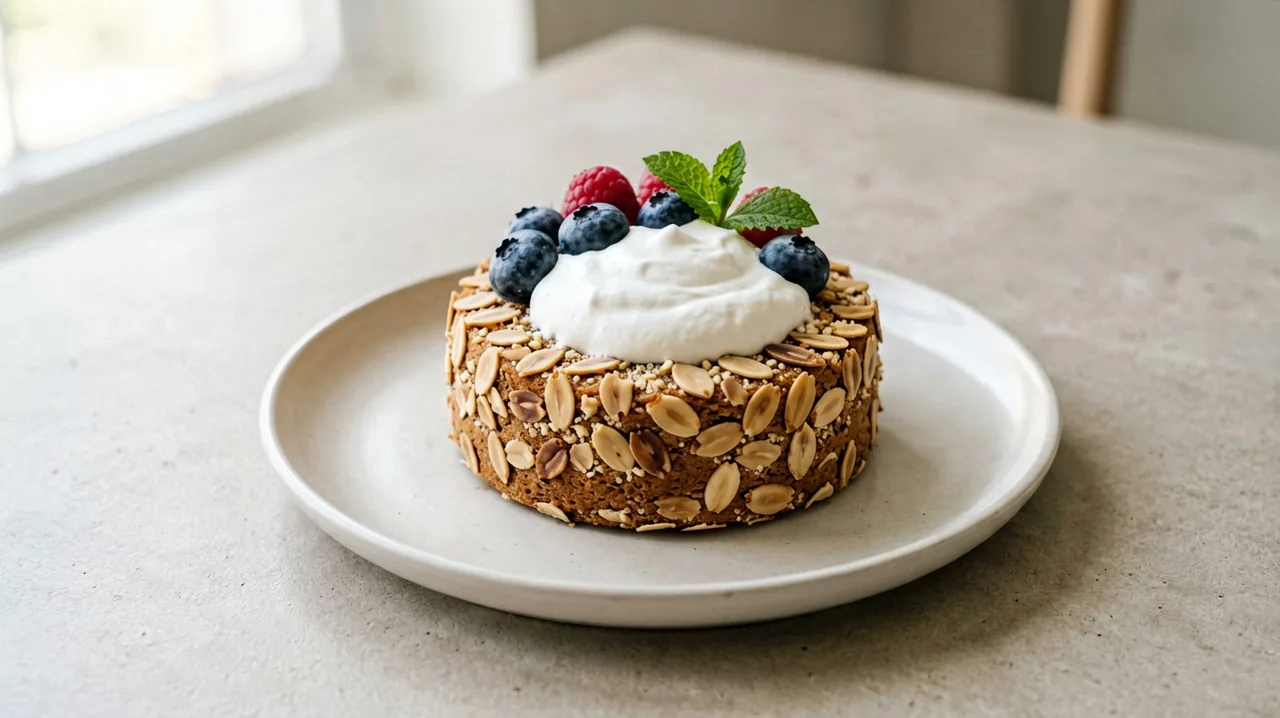
Prepare a protein, two vegetables, and one dressing. Combine them as a bowl, salad, lettuce wrap, or warm skillet meal. This keeps the cooking focused while allowing different textures and flavors across the week. The Dietary needs hub provides the broader context, and the low-carb cake guide covers a more portion-aware baking example.
Store components separately
Keep dressings, avocado, herbs, and crunchy toppings separate from cooked vegetables until serving. Label containers with the date and use the most perishable components first. If a packaged product is central to the recipe, save the label or note the brand so the meal can be repeated accurately.