Low Carb Cake Recipes for Diabetics
People looking for low carb cake recipes for diabetics often need more than a sugar swap. Flour choice, portion size, frosting, and the total carbohydrate content of the meal all matter. This guide focuses on a small, simple cake that can be adapted while keeping ingredients visible.
Build a simpler cake
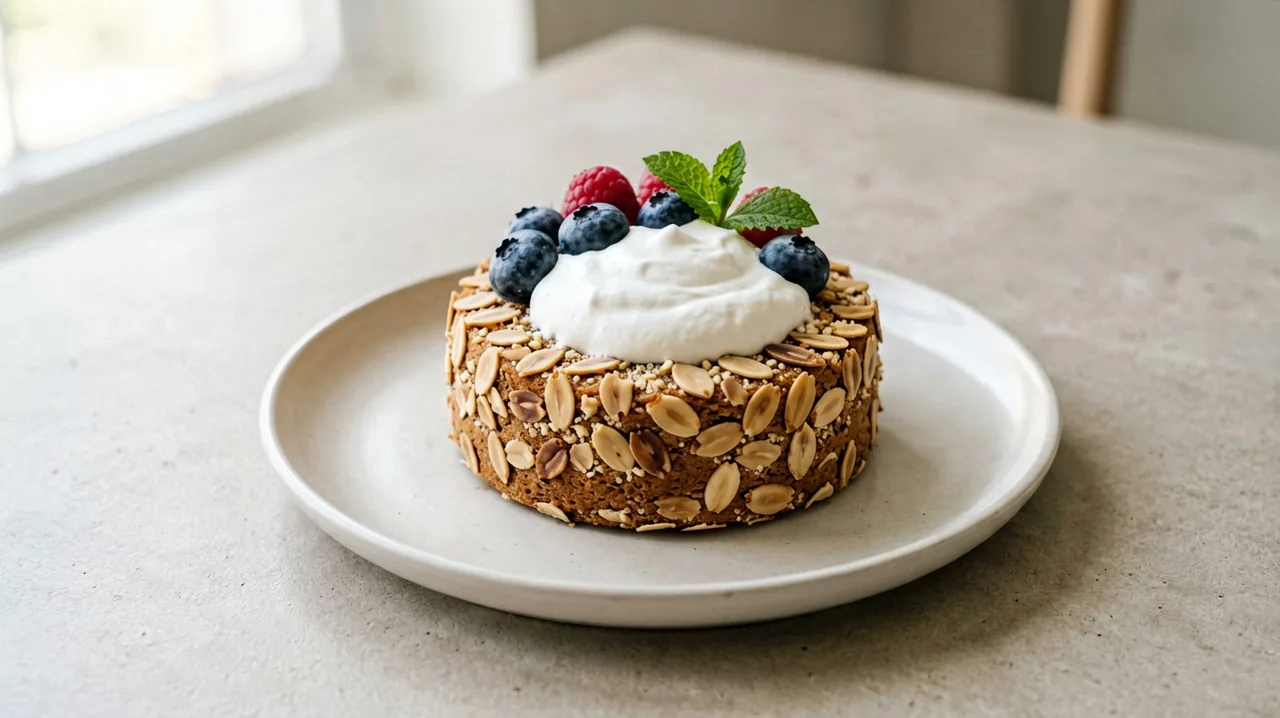
Almond flour, eggs, baking powder, vanilla, and a measured sweetener can make a tender base. Add lemon zest or cinnamon for flavor rather than relying on extra sweetener. Bake in a small pan so portions are easier to define.
Keep toppings practical
Choose unsweetened yogurt, a thin layer of cream cheese, or a few berries instead of a thick sugary frosting. Check labels on yogurt, chocolate, and packaged toppings because added carbohydrate can vary widely between brands.
Portion and pairing
Cut the cake into small portions and consider how it fits into the rest of the meal. A recipe described as low carb is not automatically appropriate for every person with diabetes. Blood glucose responses are individual, so personal guidance matters.
Storage
Store unfrosted cake airtight for two days at room temperature or longer in the refrigerator. Add toppings just before serving and freeze extra slices separately.
Kitchen note: Nutrition values vary by ingredient brand, serving size, and the amount of oil or sauce used. Use the numbers on your own labels when tracking carbs.
This article is general cooking information, not medical advice. If a dietary change affects a medical condition or medication, ask a qualified professional for individualized guidance.
Get the cake texture right
Almond-flour cakes can look finished before the center is set. Use a small pan, spread the batter evenly, and test the center with a skewer or gentle spring-back. If the edges brown too soon, cover the cake loosely and continue baking at a moderate temperature. Cooling is part of the recipe because the crumb firms as it rests.
Use sweetness carefully
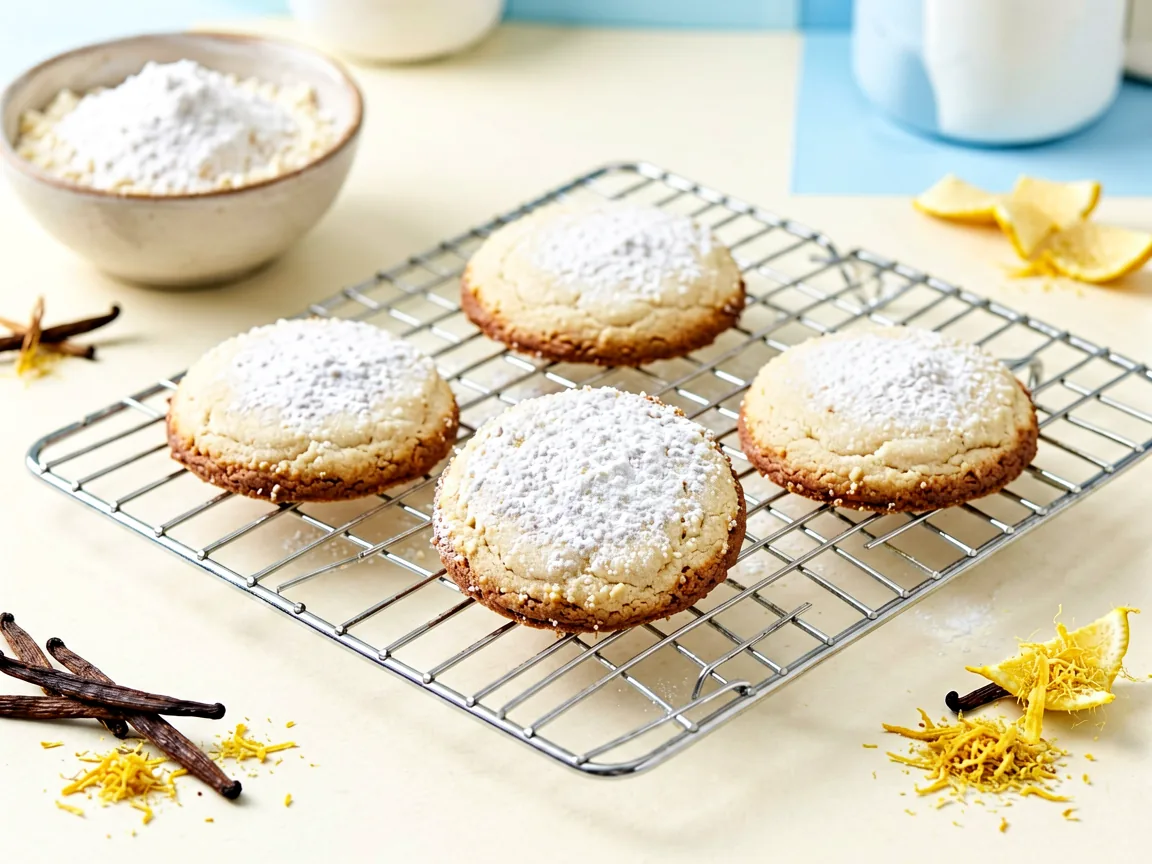
Different sweeteners vary in sweetness, cooling effect, and how they behave when baked. Follow the product’s conversion guidance instead of assuming that every granulated sweetener measures like sugar. Vanilla, citrus zest, cinnamon, cocoa, and toasted nuts can add flavor without depending only on more sweetness.
Keep the topping modest
A thin layer of unsweetened yogurt or cream cheese is easier to portion than a tall layer of frosting. Fresh berries can add color and acidity, but their carbohydrate contribution still counts. Check the labels of yogurt, chocolate, and prepared toppings, especially when the recipe is being prepared for someone managing diabetes.
Plan portions before serving
Cut the cake into equal pieces and record the ingredients used if you need to estimate carbohydrates. A lower-carbohydrate recipe is not automatically appropriate for every person. Pair the recipe with the cautions in the Disclaimer and compare it with the savory no-sugar low-carb recipes guide.