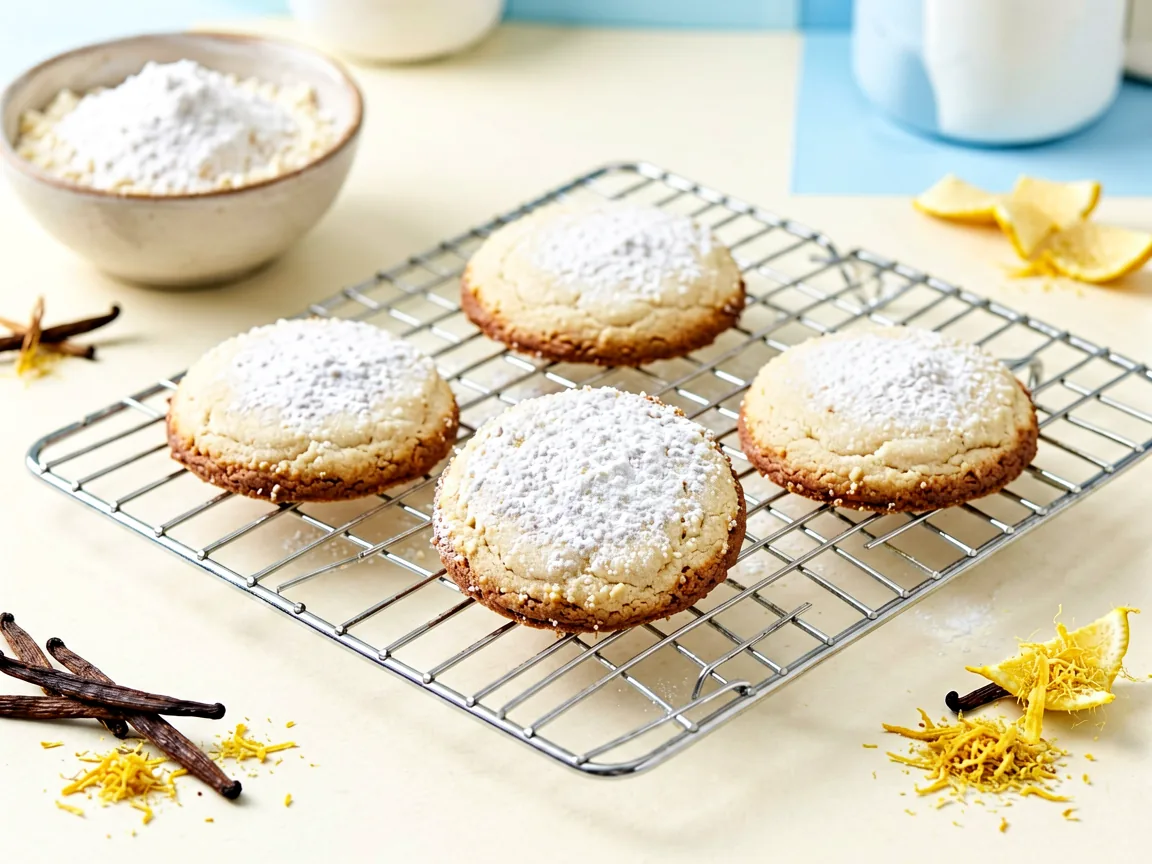
This low carb sugar cookies recipe makes a simple, lightly sweet cookie with crisp edges and a tender center. It uses finely ground almond flour, a granulated sweetener chosen for baking, butter or a suitable alternative, egg, vanilla, and a small amount of leavening. The recipe is written for people who want to compare ingredients and portions carefully; it does not promise a particular blood-glucose result or make a cookie suitable for every medical diet. The exact texture depends on the flour, sweetener, and thickness of the dough.
Quick answer
Mix softened butter with the chosen sweetener, then add egg and vanilla. Stir in almond flour, baking powder, and salt to form a soft dough. Chill it briefly, roll or scoop small portions, and bake until the edges are lightly golden. Cool the cookies on the tray before moving them. For clean shapes, roll the dough between parchment sheets. For a softer cookie, make the dough slightly thicker and avoid overbaking.
Ingredient and dietary context
“Sugar cookie” describes a style of cookie, not a nutrition guarantee. A low-carb version can still contain energy-dense ingredients, and the total carbohydrate depends on the flour, sweetener, decorations, and serving size. If you are baking for someone with diabetes, an allergy, an intolerance, or another clinical need, confirm every ingredient and use advice suited to that person. A sugar-free label also requires a label check because different sweeteners have different effects on texture and tolerance.
For more dietary context, visit Dietary needs. The existing almond meal recipes guide can help you use the same general ingredient in savory and sweet ways, while Foods and swaps offers alternatives when a specific ingredient is unavailable.
Ingredients for about 18 small cookies
- 1 1/2 cups finely ground almond flour.
- 1/3 cup granulated sweetener intended for baking, adjusted to its package guidance.
- 4 tablespoons softened unsalted butter or a suitable baking alternative.
- 1 large egg.
- 1 teaspoon vanilla extract.
- 1/2 teaspoon baking powder.
- 1/4 teaspoon salt.
- Optional: lemon zest, cinnamon, or a small amount of unsweetened coconut.
Choose a sweetener based on the result you want and the people eating the cookies. Some products can feel cooling, gritty, or more intensely sweet than others. A powdered form may blend more smoothly, while a granulated form can add a little texture. Follow the product’s guidance rather than assuming all sweeteners measure like table sugar.
Prepare the dough
- Place the softened butter and sweetener in a bowl. Beat until the mixture looks creamy and evenly blended.
- Add the egg and vanilla and mix until smooth. Scrape the sides of the bowl so no pockets of butter remain.
- In a separate bowl, whisk together almond flour, baking powder, salt, and any dry spice.
- Add the dry ingredients to the wet mixture in two additions. Stir only until a soft dough forms.
- Cover and chill for 20–30 minutes. The dough should firm enough to handle but not become hard.
If the dough is crumbly, the butter may have been too cold, the almond flour may be unusually dry, or the egg may have been small. Let the dough stand for a few minutes before adding anything. If it is very sticky, chill it longer rather than immediately adding a large amount of flour. Extra flour can make the baked cookies dry and fragile.
Shape and bake
- Heat the oven to 175°C or 350°F and line a baking tray with parchment.
- For cut-out cookies, roll the dough between two parchment sheets to about 6 mm or 1/4 inch thick. Cut shapes and transfer them carefully.
- For drop cookies, divide the dough into small portions, roll lightly, and flatten each one because the cookies may spread only a little.
- Bake for 9–13 minutes, checking early. The edges should be lightly golden while the centers remain pale and soft.
- Leave the cookies on the tray for ten minutes, then transfer them to a rack to cool completely.
How to control crispness and spread
Thin dough and longer baking create a crisper cookie, while thicker dough and shorter baking preserve a softer center. A dark tray may brown the bottoms faster; parchment provides some insulation. If the first test cookie spreads too far, chill the dough or add a small amount of almond flour. If it stays too thick, flatten the next portion more. Bake one test cookie before committing the whole tray when you are using a new flour or sweetener.
Almond flour cookies can seem soft when they leave the oven and firm as they cool. Do not keep baking until the center feels fully firm, or the finished cookies may become dry. If the cookies are for decorating, cool them completely first. A thin icing, chocolate drizzle, or powdered topping adds ingredients that should be included in the label and serving calculation.
Substitutions and allergy checks
For dairy-free cookies, use a baking alternative with a similar fat content, but expect possible changes in spread. For a nut-free household, use a recipe developed for seed flour rather than swapping a seed flour one-for-one without testing. Coconut flour absorbs much more liquid and needs a different formula. Egg substitutes can alter structure, so use a tested egg-free cookie recipe if the egg is a safety or dietary issue. Check vanilla, baking powder, decorations, and packaged sweeteners for cross-contact statements.
Portioning and serving
Let the cookies cool, then count the actual yield. Smaller cookies may be easier to portion than large bakery-style rounds. Serve them with coffee, tea, yogurt, or another planned component rather than eating directly from the tray. The right serving depends on the person, the rest of the meal, and the product labels. A low-carb cookie remains a cookie: it can be part of a flexible eating pattern without becoming a promise of weight loss or a substitute for individualized medical advice.
Storage
Store fully cooled cookies in an airtight container. Use parchment between layers if the cookies are soft or decorated. Keep them according to the ingredients and your kitchen conditions; if the recipe includes a perishable filling, follow the filling’s storage requirements rather than the cookie’s. Freeze plain cookies in a sealed container and thaw them at room temperature. If the cookies become unusually damp, develop an off odor, or show mold, discard them.
Texture troubleshooting
| Result | Possible cause | Next step |
|---|---|---|
| Gritty texture | Sweetener did not dissolve or was coarse | Use a finer product or cream it longer with the butter. |
| Very dry cookies | Overbaking or too much flour | Measure level cups and remove the tray earlier. |
| Cookies spread | Butter too warm or dough not chilled | Chill the dough and test one cookie first. |
| Fragile cookies | Moved while warm or rolled too thin | Cool on the tray and use a slightly thicker sheet. |
Frequently asked questions
Can I use almond meal instead of almond flour?
You can, but the cookies will be more rustic and may spread or crumble differently. A fine meal works better than a coarse meal. For a smoother result, use almond flour and keep the dough thickness consistent.
Are these cookies safe for people with diabetes?
That cannot be determined from a general recipe. Ingredients, portions, medications, and personal responses vary. Read the labels and use advice from the person’s qualified healthcare professional. The site Disclaimer explains the limits of this content.
Why did the cookies stay soft?
Almond flour cookies often firm as they cool. They may also stay soft when they are thick or slightly underbaked. Cool completely before judging the final texture, then adjust thickness or bake time on the next batch.
Can I decorate them?
Yes, but decorations change sweetness, ingredients, storage, and portions. Use a thin layer and record what was added if nutrition or allergy information matters.
Bottom line
This low carb sugar cookies recipe is most reliable when you control the flour, sweetener, dough temperature, thickness, and cooling time. Bake a test cookie when using a new product, let the tray cool before moving the cookies, and count the actual yield. Those simple checks keep the recipe focused, adaptable, and easier to use responsibly.