Low Carb Recipes Instant Pot
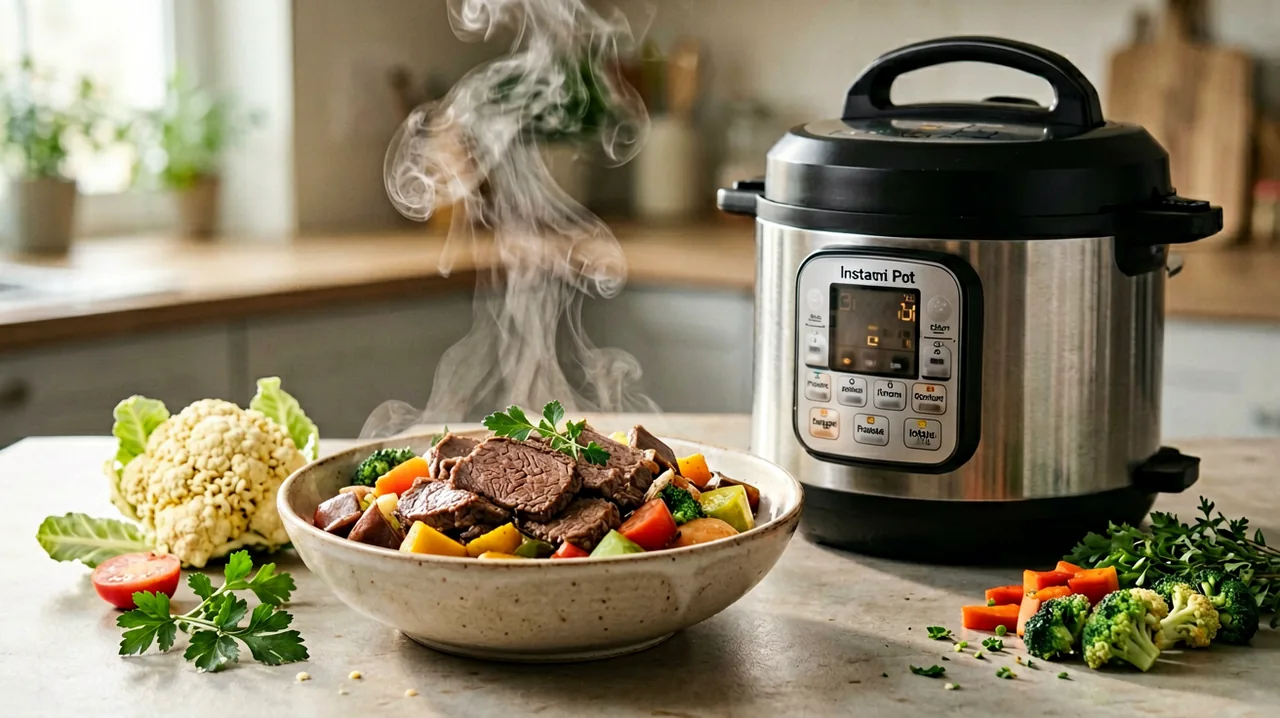
Low-carb recipes in an Instant Pot are especially helpful for tougher cuts of meat, soups, and batch cooking. The appliance shortens active cooking time, but vegetables and dairy need a little planning so they keep their texture.
Start with a clear cooking plan
Brown meat using the sauté setting, then scrape up the browned bits before pressure cooking. Use broth, stock, or water as the required cooking liquid, and keep high-starch ingredients such as potatoes or large amounts of beans out of the base if you are aiming for a lower-carb meal.
Good combinations
- Beef chuck with mushrooms, celery, herbs, and broth.
- Chicken thighs with cauliflower, spinach, and a lemon-garlic finish.
- Pork shoulder with cabbage, mustard, and a vinegar-based sauce.
Protect vegetable texture
Add delicate vegetables after pressure cooking when possible, or use a short second cook. Stir in spinach, herbs, cream, or cheese after the pressure has been released so they do not separate or overcook.
Batch cooking and storage
Divide finished food into shallow containers and chill promptly. Refrigerate portions for several days or freeze them with the date and contents clearly labeled. Reheat until steaming hot.
Kitchen note: Nutrition values vary by ingredient brand, serving size, and the amount of oil or sauce used. Use the numbers on your own labels when tracking carbs.
This article is general cooking information, not medical advice. If a dietary change affects a medical condition or medication, ask a qualified professional for individualized guidance.
Understand pressure release
Natural release and quick release affect both texture and safety. Tough meats and brothy dishes often benefit from a natural release, while delicate vegetables can overcook if they remain under pressure longer than necessary. Follow the instructions for your specific model and never force a lid before the pressure indicator has dropped.
Layer ingredients with purpose
Put the required liquid in the bottom, place tougher ingredients where they will cook evenly, and keep dairy, leafy greens, and soft vegetables for the finishing stage when possible. This simple layering prevents cream sauces from separating and keeps vegetables from dissolving into the broth.
Thicken and finish after cooking
After pressure cooking, taste before adding salt because the liquid may have concentrated. Remove excess fat if needed, then add herbs, lemon, yogurt, cream, or cheese off the heat. If the broth needs body, use a small amount of an appropriate thickener and let it simmer with the lid off.
Make a two-day plan
Cook a larger batch of protein and broth, then change the serving format on the second day with cauliflower rice, shredded cabbage, or a fresh salad. The low-carb beef with broccoli article is a good example of a quick skillet finish, while the By appliance hub collects more method-led ideas.