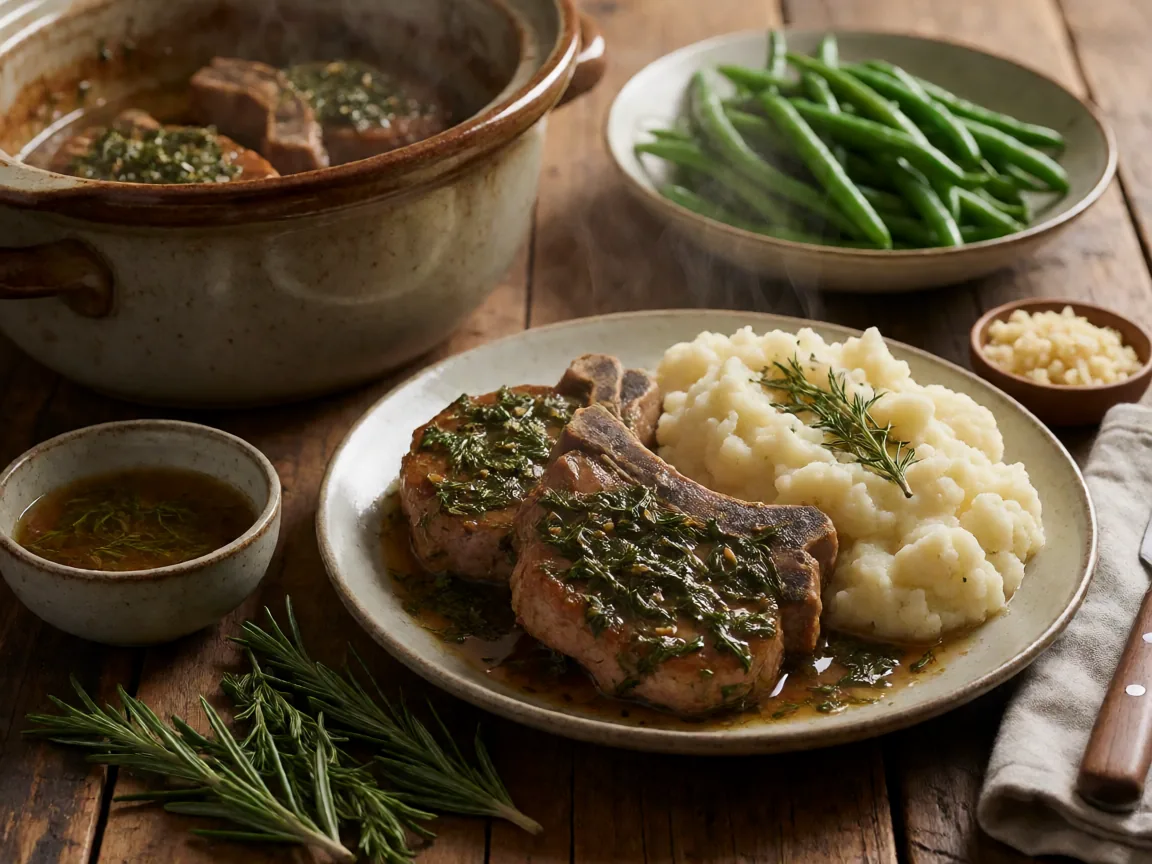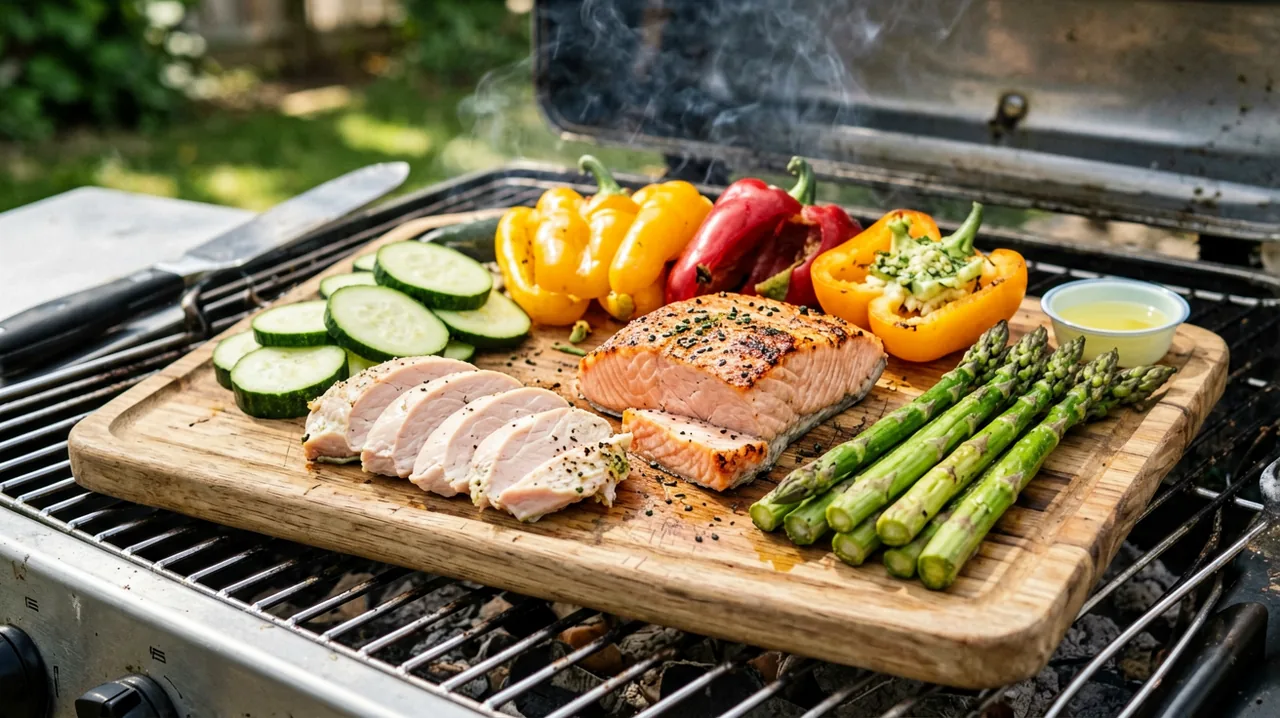
A low carb grill is less about buying a special product and more about building a repeatable outdoor cooking system. Choose a protein, add vegetables that can handle direct heat, use a sauce without relying on added sugar, and plan how the food will be stored if it is not eaten immediately. The guide below covers a simple grill setup, practical ingredient choices, timing cues, substitutions, and food-safety boundaries. It is written for a gas or charcoal grill, but the same decision process can be adapted to a grill pan.
Quick answer
Start with salmon, chicken, steak, shrimp, tofu, zucchini, peppers, mushrooms, or sturdy leafy vegetables. Dry the surface, season before cooking, oil the food lightly rather than flooding the grates, and leave enough space for browning. Use a thermometer for foods where safe doneness matters. Build the plate around the grilled item and a vegetable side, then add a measured sauce or fresh herb finish. Avoid assuming that a low-sugar marinade is automatically low carbohydrate; read the ingredient list when using a packaged product.
Set up the grill before the food arrives
Clean the grates, check that the fuel or charcoal is ready, and create at least two heat zones: a hotter area for browning and a cooler area for finishing. Two zones are useful when a food colors quickly but needs more time in the center. They also provide a safer landing place when flare-ups occur. Keep a clean tray for cooked food separate from the tray that carried raw ingredients. Small setup decisions prevent the cooking session from becoming a series of rushed adjustments.
If you are comparing appliances, the By appliance section includes the existing air fryer low-carb recipes guide. The methods are not interchangeable, but the comparison helps you decide whether a grill, air fryer, or pan better fits the weather, quantity, and cleanup you face.
Build a balanced grill plate
- Protein anchor: salmon, chicken thighs, lean steak, shrimp, tofu, or another suitable option.
- Vegetable component: zucchini, eggplant, peppers, mushrooms, asparagus, cabbage wedges, or broccoli in a grill basket.
- Flavor component: lemon, herbs, garlic, vinegar, mustard, plain yogurt sauce, or a measured oil-based dressing.
- Texture contrast: toasted seeds, crisp greens, cucumber, or a small portion of a suitable side.
Vegetables do not need to become a replacement for every familiar side. The better question is what job the side must do: bring freshness, absorb sauce, add chew, or make the plate feel complete. A mix of grilled and raw vegetables often gives more contrast than cooking everything until soft. If a vegetable is likely to fall through the grates, use a basket, skewers, or a foil-free plan that still allows heat to circulate.
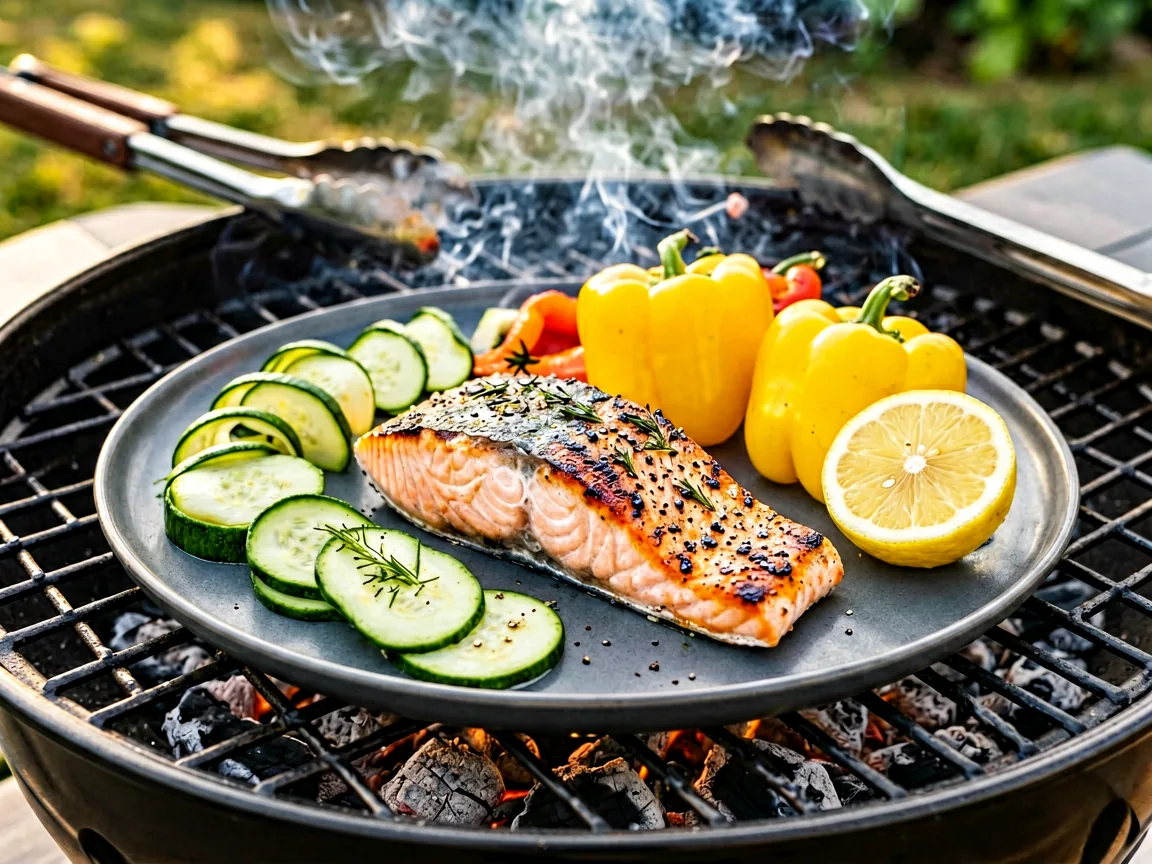
Simple grill method
- Pat the food dry. Moisture on the surface delays browning and can make delicate food stick.
- Season with salt, pepper, herbs, spices, or a measured marinade. If the marinade contains acid, avoid leaving delicate fish in it for too long.
- Preheat the grill and oil the grates carefully if your setup requires it. Use a long-handled brush and follow the grill manufacturer’s guidance.
- Place the thickest or slowest-cooking items on the hotter zone first, leaving room to move them.
- Turn only when the food releases reasonably easily. Forcing a stuck item can tear the surface before it has browned.
- Move food to the cooler zone if the exterior is ready but the center needs more time. Confirm safe doneness with a thermometer where appropriate.
- Rest cooked food on a clean plate, then add fresh herbs, lemon, or sauce after resting.
Timing without false precision
Grill time changes with thickness, starting temperature, lid position, wind, grate distance, and the material of the food. A thin shrimp skewer and a thick chicken thigh should not be managed by the same clock. Use time as a reminder to check, not as proof of doneness. A thermometer is especially useful for poultry, thick fish, and reheated leftovers. If you are cooking for people with higher food-safety needs, be conservative and follow current local guidance.
For steak or tofu, the desired texture may matter as much as internal temperature. For vegetables, look for the combination of tenderness, browning, and a surface that has not dried out. If a vegetable burns before it softens, move it to indirect heat or cut it into smaller pieces next time. Adjust one variable at a time so you learn whether the issue was cut size, heat, or oil.
Marinades, sauces, and substitutions
A low-carb marinade can use olive oil, lemon juice, vinegar, garlic, herbs, mustard, and spices. Packaged barbecue sauces and glazes may contain sugar or starch, so check the current label and use a thin coating near the end of cooking if you want a glossy finish. Yogurt, lemon, herbs, and garlic make a quick cool sauce for grilled vegetables or fish. Keep a portion aside before it touches raw food.
If you do not eat meat, use tofu, tempeh where suitable, mushrooms, eggplant, or a hearty vegetable platter. Press tofu before seasoning so it can brown. Mushrooms benefit from enough heat and space; crowded mushrooms steam. If you are replacing fish, choose a food with a similar thickness and adjust the timing rather than expecting a direct one-for-one result. See Foods and swaps for ingredient-role ideas.
Meal prep and leftovers
Grilled food can become a second meal if you store it promptly and keep sauces separate. Cool leftovers in shallow containers and refrigerate them according to current local food-safety guidance. Use a clean utensil for cooked food and never return grilled items to a tray that held raw ingredients. Reheat until hot throughout, or serve some vegetables chilled if their texture is better that way. A grilled protein can become a salad, a bowl, or a filling for a low-carb wrap, but add moisture at the point of serving so the food does not dry during storage.
Common grill problems
| Problem | Likely reason | Practical fix |
|---|---|---|
| Food sticks | Grates were cold, wet, or the food was turned too soon | Preheat, dry the surface, and wait for natural release. |
| Flare-ups | Excess fat or oil reached the fire | Move to the cool zone and trim or reduce surface oil. |
| Burned outside | Heat too high for the thickness | Brown briefly, then finish with indirect heat. |
| Soft vegetables | Cut too small or cooked in a crowded basket | Use larger pieces and leave space for heat circulation. |
Frequently asked questions
What is the best protein for a low carb grill?
The best choice is one you can cook safely, enjoy, and portion in the meal you are making. Salmon, chicken, steak, shrimp, tofu, and other options each need different timing. Choose based on thickness, budget, preference, and the people you are serving rather than a universal ranking.
Can I use barbecue sauce?
Yes, if the product fits your preferences and you check its ingredients and serving size. Use a small amount near the end so it does not burn. A homemade herb, mustard, lemon, or yogurt sauce can provide flavor without relying on a thick sugary glaze.
How do I keep grilled chicken from drying out?
Use pieces of even thickness, avoid cooking them only over the hottest zone, and confirm doneness instead of leaving them on the grill for an arbitrary extra period. Resting and adding sauce after cooking also helps the eating experience.
Where can I read the health boundaries?
The site Disclaimer explains that recipe content is general food information, not medical advice. People with medical conditions, allergies, or special food-safety needs should seek appropriate professional guidance.
Bottom line
A low carb grill becomes dependable when the work is planned in roles: protein, vegetables, flavor, heat zone, and storage. Dry the food, preheat the surface, use indirect heat when thickness demands it, verify safe doneness, and keep cooked food separate from raw ingredients. The result is a flexible cooking method that can serve a weeknight plate, a weekend gathering, or a planned leftover meal without needing a rigid rulebook.