Low Carb Grilling Options
Low-carb grilling is less about special products and more about choosing ingredients that can handle direct heat. Build the meal around a protein, add two vegetables, and use a marinade or finishing sauce that keeps added sugar modest.
Grill-ready proteins
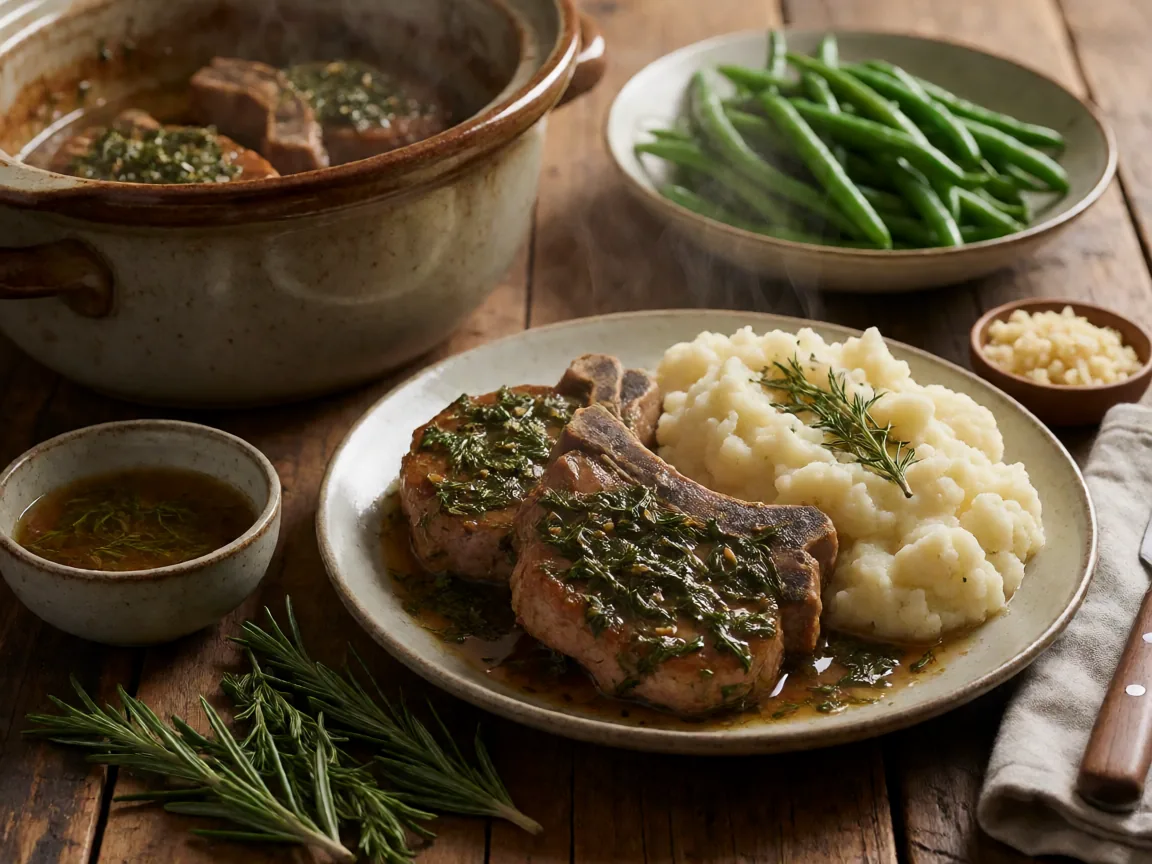
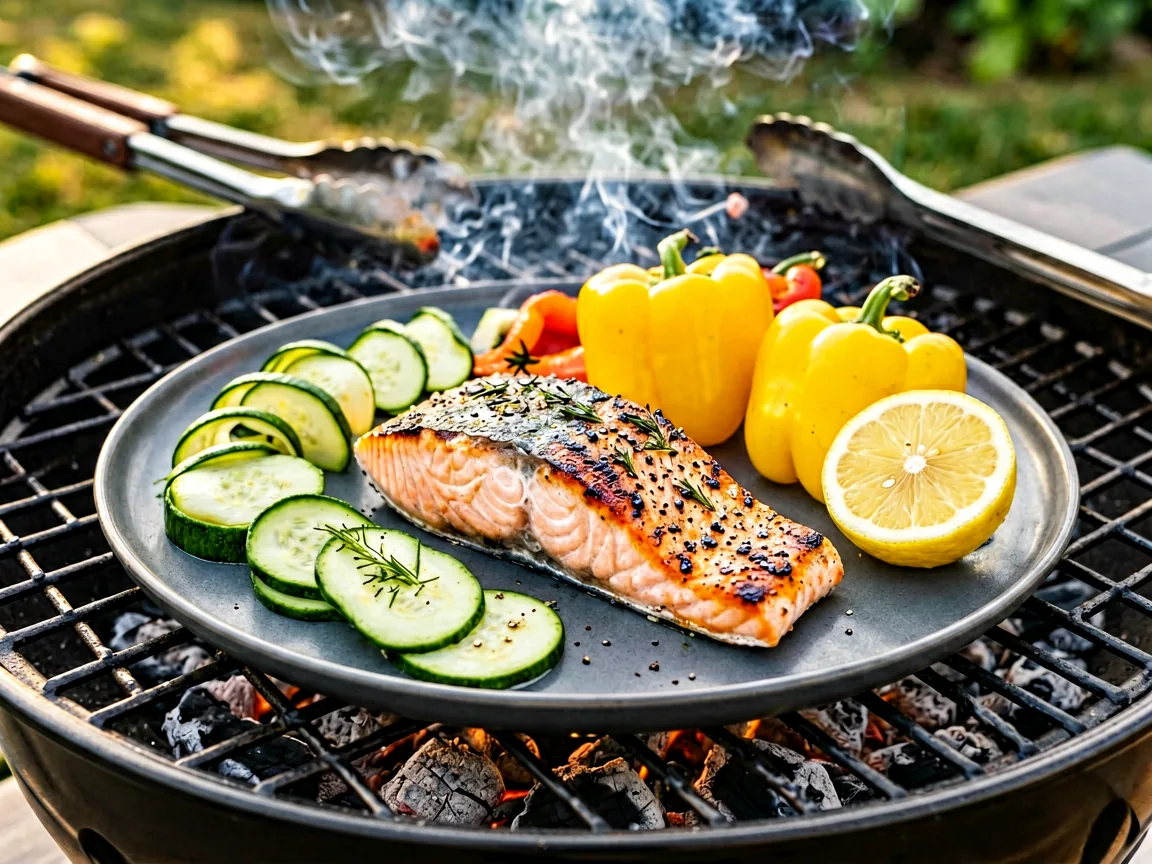
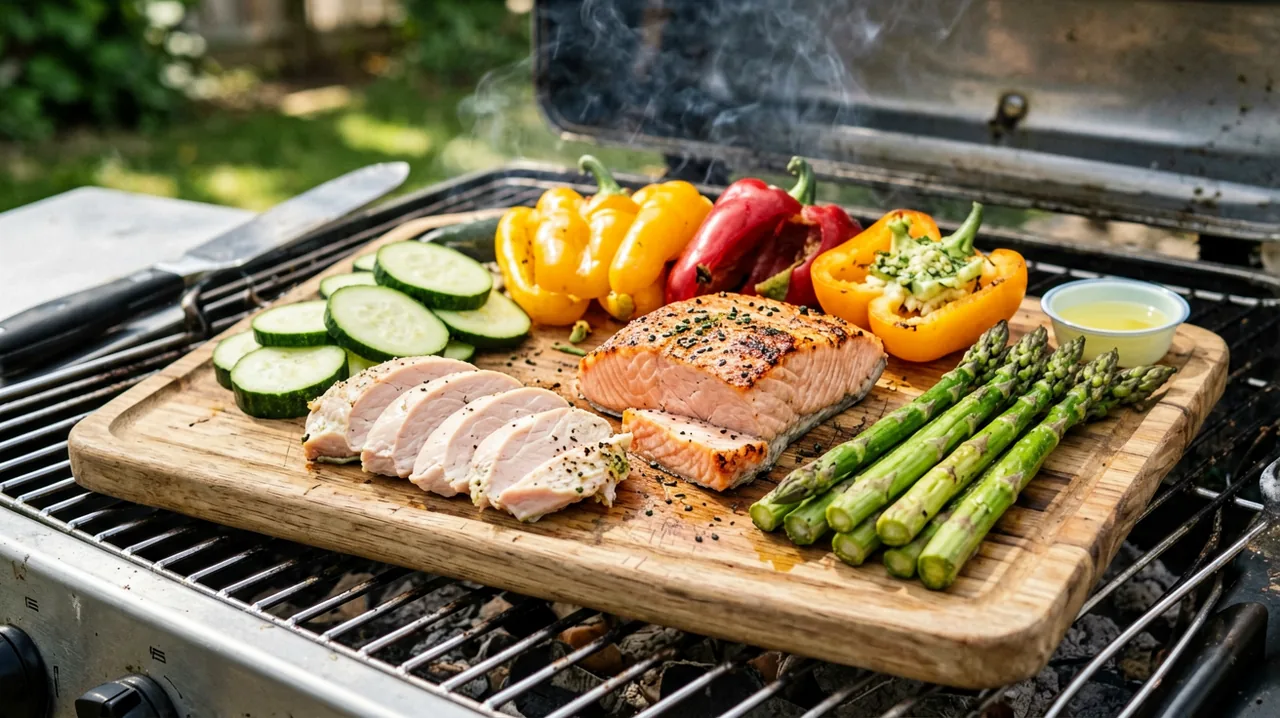
Chicken thighs, salmon, shrimp, burgers without a sweet bun, and pork chops all work well. Pat the surface dry, oil lightly, and season just before cooking. Use a thermometer for reliable doneness rather than judging only by color.
Vegetables that stay flavorful
Zucchini, asparagus, peppers, mushrooms, cabbage wedges, and green onions develop good char quickly. Cut pieces large enough to turn easily. A grill basket helps with small mushrooms or shrimp.
Marinade and sauce ideas
Try olive oil with lemon and herbs, yogurt with garlic and cumin, or tamari with ginger and sesame. Brush sugary sauces on near the end because they can burn before the food is cooked.
Simple sides
Serve grilled food with cucumber salad, leafy greens, cauliflower salad, or avocado with lime. Keep dressings separate if you are storing leftovers.
Kitchen note: Nutrition values vary by ingredient brand, serving size, and the amount of oil or sauce used. Use the numbers on your own labels when tracking carbs.
This article is general cooking information, not medical advice. If a dietary change affects a medical condition or medication, ask a qualified professional for individualized guidance.
Create two heat zones
A hot direct zone is useful for browning, while a cooler indirect zone gives thicker cuts time to cook without burning the outside. Arrange the grill before adding food so you can move a piece when flare-ups start. Keep a clean, lightly oiled grate available; excess marinade and dripping fat are common causes of sudden flames.
Match timing to thickness
Thin vegetables, shrimp, and fish cook quickly. Chicken pieces, pork chops, and thicker steaks need more attention and a rest after grilling. Turn food only when it releases easily from the grate, and use an appropriate thermometer for meat, poultry, and fish rather than relying on grill marks alone.
Finish with freshness
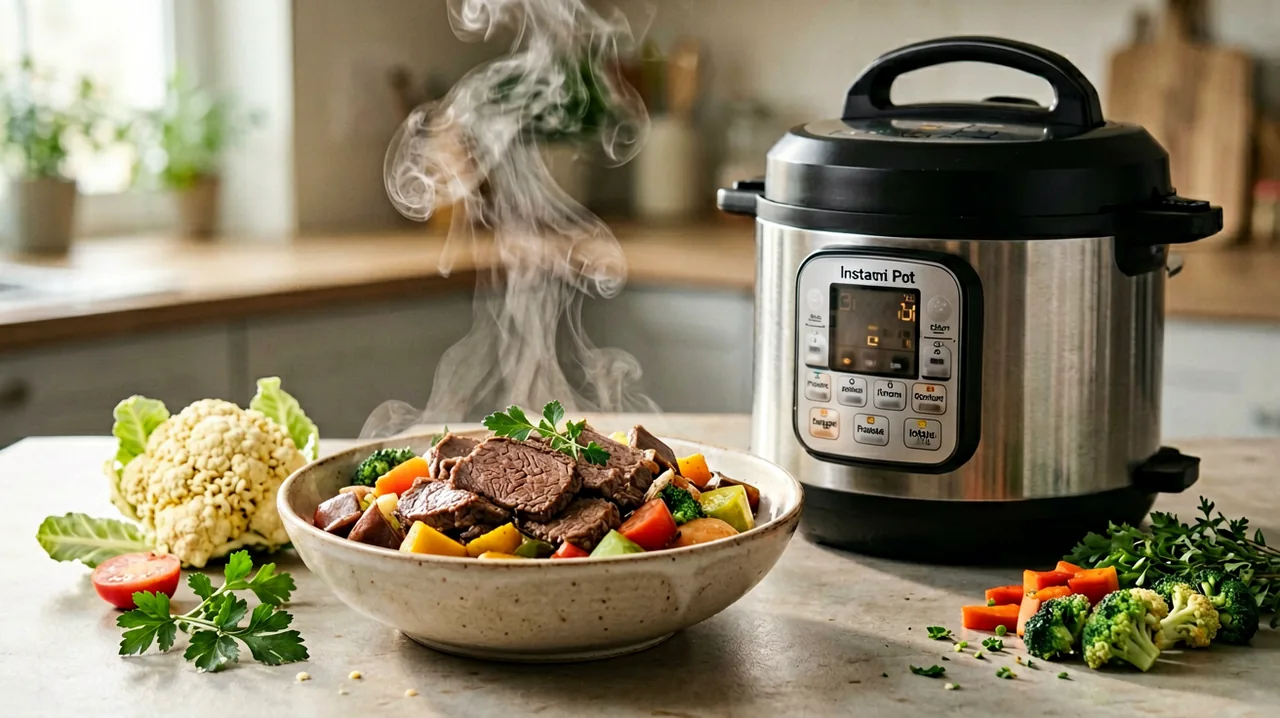
Heavy sauces can hide the flavor of grilled vegetables, so try lemon, chopped herbs, vinegar, or a spoonful of plain yogurt after cooking. Grilled broccoli, zucchini, and peppers can be chilled and folded into salads the next day. For an indoor pressure-cooker contrast, see low-carb Instant Pot meals and for a vegetable pairing use broccoli keto recipes.
Rest and store correctly
Let cooked protein rest briefly before slicing so juices do not run out immediately. Refrigerate leftovers in shallow containers and reheat gently. Keep fresh sauces and salads separate until serving.