Low carb almond butter is best understood as a simple ingredient with a label and portion question, not as a special health product. Plain almond butter usually contains ground almonds and perhaps salt, while flavored or sweetened versions can contain sugar, syrups, chocolate, or other ingredients that change the carbohydrate profile. The guide below explains how to choose a jar, make a small batch, use it in meals, and store it safely. It also shows how to compare almond butter with other spreads without assuming that one label fits every dietary need.
Quick answer
Choose almond butter with a short ingredient list, check the current nutrition panel and serving size, and decide how you will use it before opening the jar. A tablespoon can add creaminess to yogurt, a sauce, or a small snack, but dense foods are easy to over-pour. If you make it at home, roast plain almonds, blend them until smooth, and stop to scrape the bowl as needed. Store the finished butter in a clean jar and use the product’s storage guidance.
What “low carb” should mean here
The phrase low carb describes a relative carbohydrate choice, not a universal serving rule. Almonds naturally contain fat, protein, fiber, and carbohydrate, and the amount per serving depends on the product and how the serving is measured. Added sugar, honey, dates, or sweetened chocolate can change a plain spread into a dessert-style product. The practical first step is to read the label for the exact jar rather than relying on the front of the package.
For more ingredient-led ideas, browse By ingredient. If you want to compare a spread with bread, crackers, or another base, the existing almond meal recipe guide provides a useful neighboring context.
How to choose a jar
- Check whether the first ingredient is almonds and whether sweeteners or syrups are added.
- Look for a serving size you can measure consistently, usually listed by weight and sometimes by spoonful.
- Compare smooth and crunchy versions for the texture you actually need; the nutrition panel may be similar, but the eating experience differs.
- Check salt if you are already using salty foods in the same meal.
- Inspect the oil separation and use-by date. Natural separation is not automatically a defect.
“No added sugar” does not mean a product contains no carbohydrate. It means the manufacturer is making a specific claim about added sweeteners. Likewise, a keto label does not tell you whether the product suits your allergy, calorie, portion, or medical context. Use the label as a comparison tool, then decide whether the product fits the meal you are preparing.
Make a small batch at home
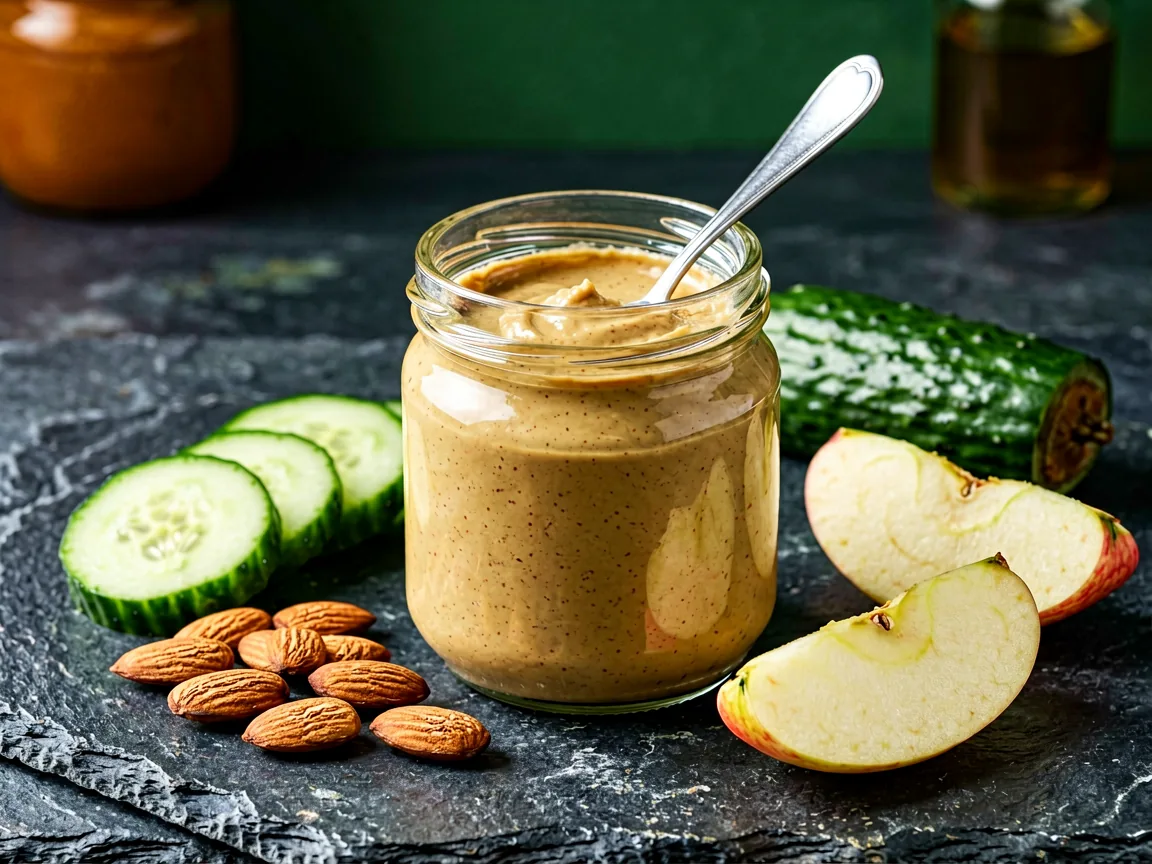
To make about one cup, use three cups of plain roasted almonds. If the almonds are raw, roast them on a tray at 175°C or 350°F until fragrant, then cool them until warm rather than hot. Warm nuts usually blend more readily, but overheated nuts can make the machine work harder. A food processor is generally more practical than a small blender because the mixture needs room to move.
- Add the almonds to the processor and pulse until they resemble coarse crumbs.
- Continue blending. The mixture will move from crumbs to a thick paste, then to a smoother butter as the almond oils release.
- Stop every minute or so to scrape the sides and let the motor rest if it becomes hot.
- Add a pinch of salt only after the texture is close to smooth. Avoid adding water, which can shorten storage life and make the mixture seize.
- Transfer the butter to a clean, dry jar and label it with the date.
The process can take several minutes depending on the processor, almond temperature, and desired texture. Do not judge the batch during the crumb stage. If the mixture remains dry after extended blending, the almonds may be too cool or the machine may be underpowered. A teaspoon of neutral oil can loosen a stubborn batch, but add it only if you understand how it will change the flavor and texture.
Ways to use it without losing the point
Use a measured spoonful in plain yogurt, a small smoothie, a savory sauce, or a spread on a cooled slice of almond meal bread. Stir it into a dressing with lemon juice, vinegar, herbs, and a little water added gradually. For a snack, pair it with a food that supplies a different texture, such as cucumber, celery, or a portion of fruit that fits your eating pattern. The companion should be chosen for taste and function, not because the spread needs to be turned into a rigid rule.
Almond butter also works in low-carb baking, where it contributes fat, flavor, and moisture. It can make cookies softer, but it may also make a batter spread more than expected. Measure it by weight when the recipe is sensitive to texture. If you replace peanut butter with almond butter, compare thickness and salt rather than assuming the two jars behave identically.
Portion and meal context
Dense spreads are easy to eat directly from the jar, so create a stopping point before serving. Spoon the intended amount into a bowl, spread it on the food, or measure it as part of a recipe. A larger portion is not automatically wrong, but it changes the energy and nutrition of the meal. If you are trying to understand your own response, notice whether the spread makes a meal more satisfying or simply adds another unplanned bite.
People with nut allergies should avoid almond butter and prevent cross-contact. A seed spread may be an alternative for some households, but check the label and texture because sunflower or pumpkin seed butter can taste and behave differently. If an ingredient choice is medically important, use qualified guidance rather than treating an online substitution as safe for everyone.
Storage and oil separation
Natural almond butter often separates, with oil rising to the surface. Stir it thoroughly when first opened, then keep the jar tightly closed. Follow the label’s storage instructions; some products recommend refrigeration after opening, while others are designed for a pantry. Homemade almond butter has no commercial stability testing, so use a clean utensil, avoid introducing water, and refrigerate when appropriate. Discard the jar if it develops mold, an off smell, or an unusual taste.
For meal prep, portion a few servings into clean containers rather than repeatedly dipping into the main jar. This helps keep crumbs and moisture out. If the butter becomes very firm in the refrigerator, let a small portion soften before stirring instead of heating the entire jar.
Comparison table
| Choice | Useful feature | Check before using |
|---|---|---|
| Plain almond butter | Short ingredient list and flexible flavor | Serving size, salt, allergy risk |
| Sweetened almond spread | Dessert-like flavor | Added sugars and total carbohydrate |
| Crunchy almond butter | More texture | Whether pieces fit the recipe or household needs |
| Seed butter | Possible nut-free alternative | Cross-contact, thickness, and added ingredients |
Frequently asked questions
Is low carb almond butter automatically keto?
No. “Keto” depends on the serving, the product, and the rest of a person’s eating pattern. Choose a plain product when that is your goal, read the current label, and use a portion that makes sense in the meal.
Why is my homemade almond butter still dry?
The almonds may be too cool, the processor may need more time, or the machine may not be powerful enough. Scrape the bowl, let the motor rest, and continue gradually. Avoid adding water.
Can I use almond butter as a bread substitute?
It is a spread, not a structural bread replacement. Use it on a slice, in a sauce, or in a recipe where its fat and moisture are part of the design. For more food-swap ideas, visit Foods and swaps.
Does almond butter provide individualized nutrition advice?
No. Product formulations and personal needs vary. Read the Disclaimer for the limits of general food information, and seek a qualified professional for allergy or medical questions.
Bottom line
Low carb almond butter is most useful when it stays simple: check the jar, measure the role it plays, pair it with a food that makes the meal work, and store it carefully. A plain spread can support many recipes, but its label and serving size still matter. Treat it as one ingredient in a flexible kitchen rather than a promise attached to a package.